 Bellingham Roofing
 Roofing Built for Lynden's Whatcom County Climate
Lynden sits inland from Bellingham Bay, but that doesn't spare local roofs from the same weather pattern that shapes exterior work across Whatcom County: long stretches of low-intensity rain from fall through spring, humid air that never fully dries out, and enough tree cover in the surrounding farmland and residential lots to keep moss and moisture on the agenda year-round. Add in the salt-tinged air that drifts inland off the Puget Sound on windy days, and you've got a climate that's harder on roofing materials than it looks from the outside.
None of this means Lynden roofs fail faster than roofs anywhere else. It means they need the right materials, the right ventilation, and regular attention to the details that hold up water and moss over time. That's the approach we bring to every roofing job in the area, whether it's a small repair or a full tear-off and replacement.
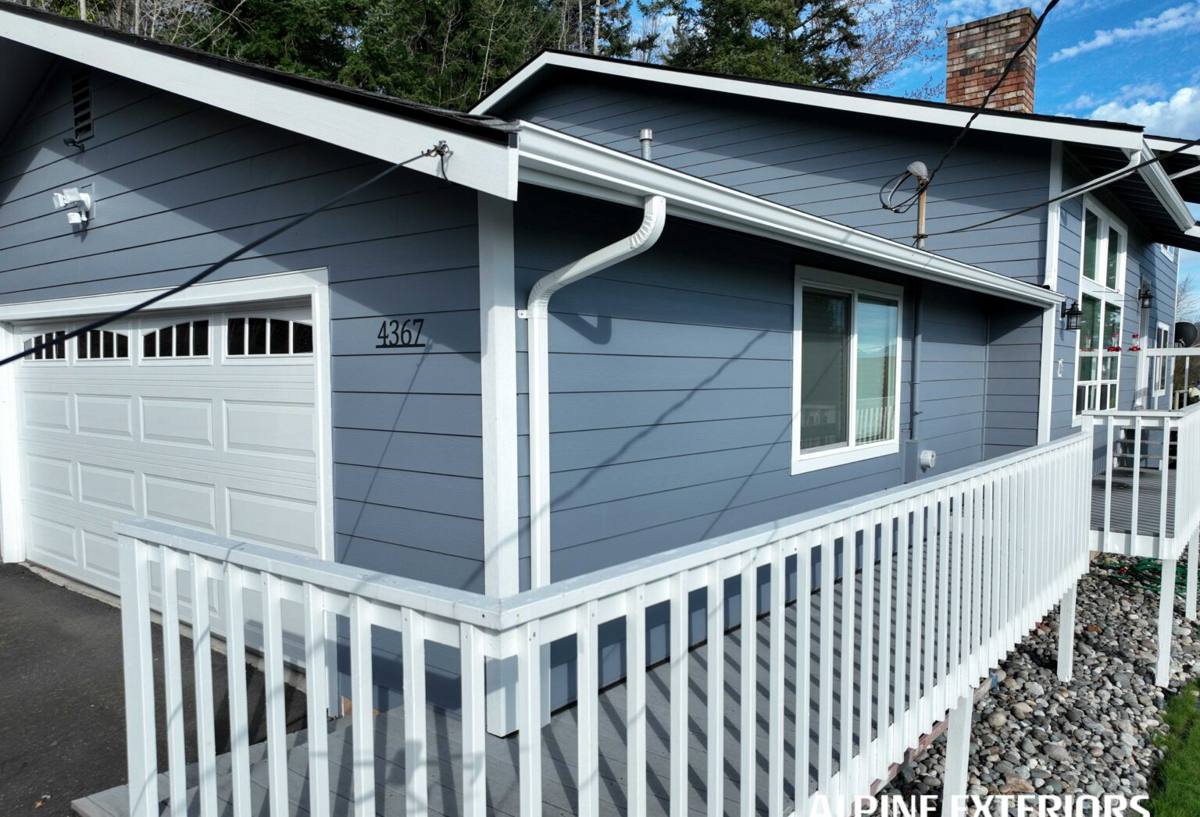
What Local Homes Are Up Against
Moss and Organic Growth
Whatcom County's moss season runs long — often eight months or more of conditions damp enough to support growth. On shaded roof sections, north-facing slopes, or areas under overhanging trees, moss can establish itself within a year or two of a roof being installed if it isn't treated. Moss holds moisture against shingles, works its way under tabs as it grows, and accelerates granule loss on asphalt roofing. On wood shakes, it retains dampness that leads to rot.
Driving Rain and Wind-Driven Moisture
Rain in this region doesn't always fall straight down. Wind off the Sound and through the Nooksack valley can drive rain sideways into roof edges, valleys, and any place where flashing isn't doing its job. That's why flashing details around chimneys, skylights, dormers, and roof-to-wall transitions matter more here than they would in a drier climate — a small gap that would go unnoticed for years somewhere dry can become a slow leak here within a single wet season.
Salt Air and Metal Fatigue
Lynden is far enough inland that salt exposure is milder than it is right on the water, but Whatcom County as a whole still sees some airborne salt content, especially with prevailing winds off the bay. Over years, that salt content can accelerate corrosion on unprotected metal flashing, fasteners, and gutter hardware. We account for this by favoring corrosion-resistant fastener and flashing choices on roofs in this broader coastal-influenced zone rather than treating every install the same regardless of location.
Temperature Swings and Ice
Freezing temperatures aren't a daily occurrence in Lynden, but they happen enough — combined with heavy rain and occasional snow — that attic ventilation and insulation matter for roof longevity. Poor attic airflow lets warm air escape upward, melt any snow accumulation unevenly, and refreeze at the eaves. That cycle, repeated over a few winters, is a common cause of eave damage and interior leaks in homes that otherwise have sound roofing.
Roofing Services We Provide in Lynden
- Roof inspections — a full walk of the roof surface, flashing points, and attic ventilation to catch problems before they become leaks
- Roof repair — targeted fixes for leaks, damaged shingles, failed flashing, and moss-related deterioration
- Full roof replacement — tear-off and reroofing when a roof has reached the end of its service life or repair no longer makes financial sense
- Moss treatment and prevention — removal along with recommendations for zinc or copper strips and maintenance intervals suited to the property's shade and tree exposure
- Gutter and flashing work — often addressed alongside roofing since both systems manage the same water
- Storm damage assessment — checking for wind and debris damage after significant weather events
Roofing Materials: What We Recommend and Why
Material choice matters more in a wet climate than in a dry one, since the difference between a well-suited product and a poorly suited one shows up faster here. We talk homeowners through trade-offs honestly rather than pushing a single option.
| Material | Typical Lifespan | Considerations for This Climate |
|---|---|---|
| Architectural asphalt shingle | 25-30 years | Good moisture and moss resistance when properly ventilated; the most common choice for the area and a reasonable balance of cost and durability |
| Standing seam metal | 40-50+ years | Sheds moss and moisture well due to smooth surface and slope performance; higher upfront cost, corrosion-resistant fastening is essential |
| Wood shake | 20-25 years with upkeep | Traditional look but higher maintenance burden in a damp climate; needs consistent moss and moisture management to avoid premature rot |
| Synthetic/composite shingle | 30-50 years | Resists moisture absorption and moss better than wood; a reasonable alternative where a shake appearance is wanted without the maintenance load |
We don't install every product on the market, and that's intentional. Our standard is based on how a material performs over decades in this specific climate, not just how it looks the day it goes on. If a product has a maintenance burden or moisture-management requirement that doesn't fit a homeowner's expectations, we'll say so before the work starts, not after.
Why a Local Crew Matters
Roofing crews that work primarily in drier or milder climates tend to build habits around those conditions — less attention to ventilation balance, less rigor around flashing details, less familiarity with how moss actually behaves over a full local season. A crew based in and around Bellingham and Whatcom County sees these same conditions on job after job, which means the details that matter here — proper underlayment in valleys, ice-and-water shield at eaves and penetrations, ventilation sized to the specific roof — aren't an afterthought. They're standard practice because we've seen what happens when they're skipped.
We also know the practical side of working in Lynden specifically: seasonal weather windows for roofing work, how quickly conditions can turn from workable to not, and what permitting and disposal logistics look like in Whatcom County. That local familiarity keeps projects on schedule and avoids surprises.
Beyond the Roof: Siding, Windows, and Decks
Roofing problems in this climate rarely stay isolated to the roof. Water that gets past flashing or through a failed roof-wall transition often shows up as siding damage, window leaks, or rot at deck ledger connections. Because we handle siding, roofing, windows, and decks as one company, we can look at a leak or moisture issue holistically instead of treating each system in isolation. If a roof repair uncovers a related issue in the siding or trim, we can address it as part of the same visit rather than sending a homeowner to track down a separate contractor.
Signs a Lynden Homeowner Shouldn't Ignore
- Visible moss growth, especially thick or spreading patches on shaded slopes
- Granules collecting in gutters or at the base of downspouts
- Curling, cupping, or missing shingles after a windstorm
- Water stains on interior ceilings or upper-wall areas, even faint ones
- Sagging areas on the roof deck or visible daylight in the attic
- Ice buildup at the eaves during cold snaps
- A roof approaching or past 20-25 years old with no recent inspection
What a Roofing Inspection Actually Involves
A thorough inspection isn't a quick look from the ground. It typically includes a walk of the roof surface to check shingle or panel condition, a check of all flashing points around chimneys, vents, and skylights, an assessment of gutter and downspout function, and a look inside the attic for ventilation, insulation condition, and any signs of moisture intrusion. For older roofs or roofs with visible moss, we'll also assess how much of the roof's remaining service life has likely been used up by organic growth and moisture exposure, so a homeowner has a realistic picture of whether repair or replacement makes more sense.
Cost Factors for Roofing Work in the Area
| Factor | How It Affects the Project |
|---|---|
| Roof size and pitch | Larger and steeper roofs require more material and labor time |
| Material choice | Asphalt, metal, and composite options span a wide cost range, as shown above |
| Existing damage or rot | Deck repair or replacement adds cost beyond surface roofing materials |
| Number of penetrations | Chimneys, skylights, and vents each require additional flashing work |
| Ventilation upgrades | Adding or correcting attic ventilation during a reroof affects labor and materials |
| Access and site conditions | Steep lots, tree cover, or limited equipment access can affect labor time |
We provide honest, itemized estimates so homeowners can see exactly what's driving the cost of their specific project rather than a single lump-sum number.
Get a Straightforward Estimate
If you're noticing moss buildup, a slow leak, or you just want an honest read on how much life is left in your roof, we're happy to take a look. We offer free, no-pressure estimates for Lynden homeowners — use the form below to get started, and we'll walk you through what we find and what your realistic options are.