 Bellingham Roofing
 Roofing and Exteriors for a Coastal Whatcom County Community
Birch Bay sits right on the water in Whatcom County, and that location shapes everything about how a house ages here. Homes just a few blocks from the beach face a different set of stresses than homes fifteen miles inland in Bellingham — salt-laden air, near-constant wind off the water, and a shoreline microclimate that keeps siding and roofing damp longer than you'd expect. We've worked on enough homes along this stretch of coastline to know that "standard" installation practices don't always hold up out here. Materials, fastener choices, and even where you place a vent can matter more in Birch Bay than they do a short drive away.
This page walks through what we actually see on Birch Bay roofs, siding, windows, and decks, and how we adjust our approach for a saltwater, high-moss environment. Nothing here is a sales pitch dressed up as advice — it's the same thing we'd tell you standing in your driveway.
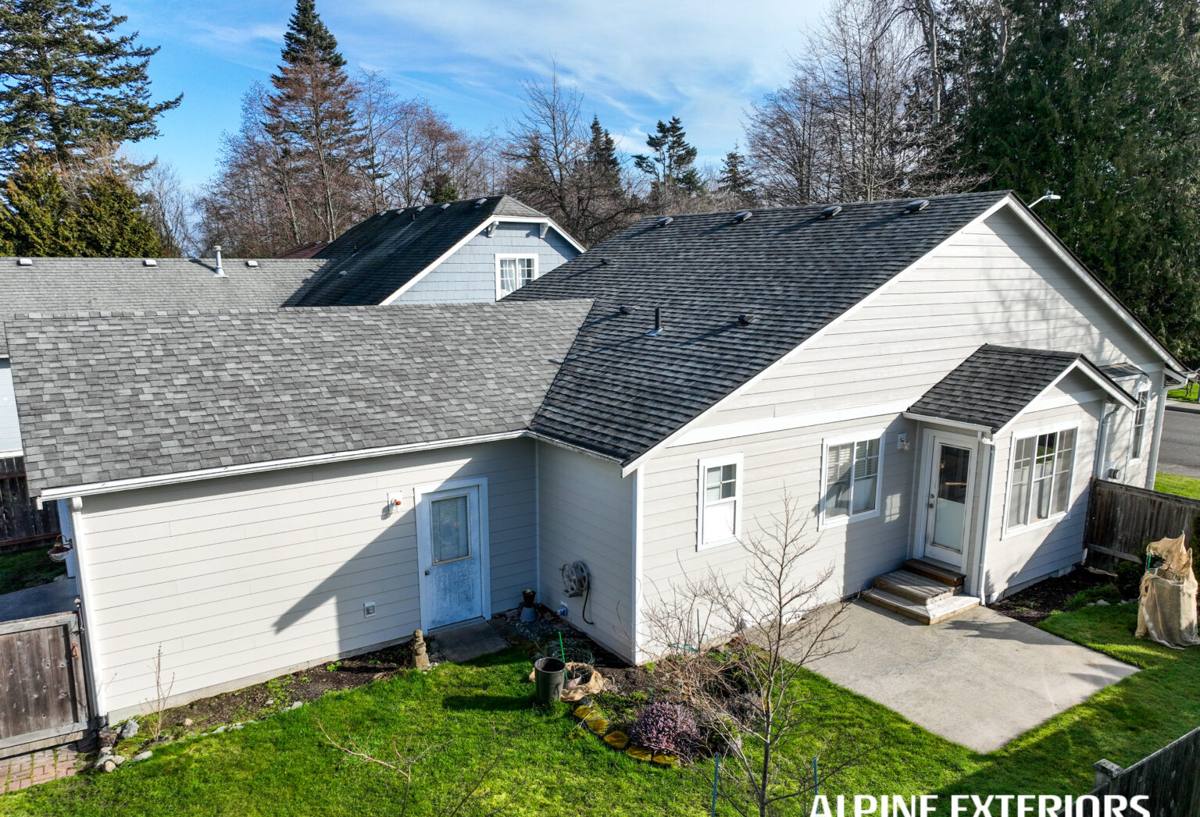
What Salt Air Does to a Roof and Exterior
Salt air is corrosive, and it doesn't need to be a stone's throw from the water to do damage — wind carries salt spray well inland from Birch Bay's shoreline, especially during winter storms when wind off the Strait picks up. The parts of a house most affected are usually metal: flashing, fasteners, gutters, and any exposed hardware.
Where corrosion shows up first
- Galvanized nails and fasteners that weren't rated for coastal exposure, showing rust streaks on siding or roofing within a few years
- Steel flashing around chimneys, skylights, and roof valleys pitting or thinning faster than inland installations
- Gutter hangers and screws corroding, leading to sagging gutters that then trap moisture against fascia boards
- Exterior light fixtures, hose bibs, and other hardware showing premature wear
Our fix isn't complicated — we spec stainless steel or hot-dip galvanized fasteners and corrosion-resistant flashing on Birch Bay jobs as a matter of course, not an upsell. It costs a bit more up front and saves a callback five years later.
Driving Rain and Wind-Driven Water Intrusion
Whatcom County gets a lot of rain generally, but Birch Bay's exposure to wind off the water means rain often arrives sideways rather than straight down. That changes what "weatherproof" needs to mean. A roof or siding job that would shed water fine on a sheltered inland lot can still let water intrude on a wind-exposed coastal wall if the underlayment, house wrap, and flashing details aren't done with wind-driven rain specifically in mind.
Details that matter more here
Proper roof underlayment with sealed laps, ice-and-water shield at eaves and valleys, correctly lapped house wrap behind siding, and flashing that directs water out rather than letting it sit at seams — these aren't exotic techniques, but they're easy to shortcut and the consequences don't show up right away. Water intrusion from wind-driven rain often shows up first as a soft spot on trim, a stain on an interior ceiling near an exterior wall, or mildew smell in a closet on the windward side of the house, sometimes a year or more after the storm that caused it.
Windows are a common weak point too. Older window installations, or windows installed without a proper flashing pan and sealant detail, are more likely to leak in Birch Bay's wind-driven rain than they would be in a calmer inland setting. When we replace windows here, we pay particular attention to the flashing and sill pan, not just the unit itself.
Moss: A Year-Round Concern in This Climate
Moss is a fact of life on roofs throughout Western Washington, but the combination of shade, moisture, and mild temperatures around Birch Bay and the broader Bellingham area gives it a long growing season. On roofs that stay shaded — under mature evergreens, on north-facing slopes, or in low-pitch sections that don't dry quickly — moss can establish itself within a couple of years of a new roof going in.
Why moss is more than a cosmetic issue
Moss holds moisture against roofing material far longer than the material would otherwise stay wet. On asphalt shingles, that constant dampness accelerates granule loss and can work its way under shingle edges, lifting them and creating a path for water. On wood or cedar products, sustained moisture is an even bigger concern for rot. Left unaddressed for years, moss growth is one of the more common reasons we see roofs fail well before their expected lifespan in this region.
What actually helps
- Zinc or copper strips installed near the ridge, which release trace metal ions that inhibit moss growth as rain washes over the roof
- Periodic gentle roof cleaning — soft washing rather than pressure washing, which can strip granules and shorten shingle life
- Keeping gutters clear so water doesn't back up and sit against the roof edge, giving moss and algae a foothold
- Trimming back overhanging branches where practical, to cut down on shade and debris
We don't recommend pressure washing a roof, regardless of what a quick online search might suggest — it's an aggressive approach that can do more harm than the moss itself.
Roofing Material Considerations for a Coastal Site
There's no single "best" roofing material for Birch Bay — the right choice depends on the home, the budget, and how exposed the site is to wind and salt. Here's how the common options stack up for this specific environment.
| Material | Coastal / Salt Air Performance | Moss Resistance | General Notes |
|---|---|---|---|
| Asphalt composition shingle | Good with corrosion-resistant fasteners and flashing | Moderate — benefits from zinc strips and periodic cleaning | Most common, widest range of price points, straightforward repairs |
| Metal roofing (standing seam) | Very good when coated/finished for coastal exposure | Good — sheds moss more easily than shingle roofs | Higher upfront cost, long service life, needs proper coastal-rated fasteners |
| Cedar shake/shingle | Fair — needs diligent maintenance near salt air | Poor without regular treatment and cleaning | Traditional look, higher maintenance burden in this climate |
| Synthetic/composite roofing | Good, generally corrosion-neutral material | Moderate to good depending on product | Newer category, worth discussing warranty terms carefully |
We'll walk through these trade-offs honestly for your specific home rather than steering you toward whatever happens to be easiest for us to install.
Siding, Windows, and Decks in a Salt Air Environment
Siding
Fiber cement and quality vinyl both hold up reasonably well near Birch Bay's shoreline when installed with corrosion-resistant fasteners and proper flashing at joints and penetrations. Wood siding requires more diligence — regular inspection and refinishing to keep moisture and salt from working into the grain, particularly on wind-exposed elevations.
Windows
Vinyl and fiberglass window frames generally resist salt air corrosion better than untreated aluminum frames, which can pit and corrode over time this close to the water. Whatever the frame material, the installation detail — flashing, sill pans, sealant — matters as much as the window itself for keeping wind-driven rain out.
Decks
Decks facing the water take the brunt of salt spray and sun exposure. Fastener corrosion is again the main culprit we see — deck screws and joist hangers that weren't rated for coastal or treated-lumber contact can fail years before the deck boards themselves show real wear. Composite decking reduces some of this maintenance burden, but the substructure hardware still needs to be corrosion-resistant regardless of what decking material sits on top.
Maintenance Checklist for Birch Bay Homes
A little regular attention goes a long way in this climate. Here's what we'd suggest checking, roughly once or twice a year:
- Inspect roof for moss buildup, especially on shaded or north-facing sections
- Check gutters and downspouts for debris and confirm they're draining freely
- Look for rust streaks near flashing, fasteners, or gutter hardware
- Check caulking and sealant around windows and doors for cracking or gaps
- Walk the deck and check for soft spots, loose boards, or corroding hardware
- After winter storms, do a visual check for lifted shingles or damaged flashing
Why a Local Crew Matters Here
A contractor based inland, without regular experience along the Whatcom County coastline, may not think twice about using standard fasteners or skipping a corrosion-resistant flashing detail — it simply hasn't been an issue on their other jobs. Working in and around Birch Bay regularly means we've seen firsthand what salt air, wind-driven rain, and a long moss season actually do to a roof or a wall over five or ten years, not just what a manufacturer's spec sheet says should happen. That experience shapes the materials we choose and the details we won't skip, even when they add a little time or cost to a job.
We also know that Birch Bay includes everything from modest older cottages to newer year-round homes, and the right approach for a full-time residence isn't always the same as for a place that sits empty part of the year. We'll talk through what makes sense for how you actually use the home.
Get a Straight Answer for Your Home
If you're dealing with moss buildup, suspect wind-driven rain has gotten past a window or wall, or just want an honest read on how your roof, siding, windows, or deck are holding up against the coastal conditions out here, we're happy to take a look. Reach out for a free, no-pressure estimate using the form below — we'll give you a straightforward assessment, not a hard sell.