 Bellingham Roofing
 Asphalt Shingle Roofing Built for Lynden's Weather
Lynden sits a little further inland than downtown Bellingham, but it still sits squarely inside the same Whatcom County weather pattern: moisture-laden marine air moving in off the Salish Sea, long stretches of driving rain through fall and winter, and a moss season that can run eight months or more in shaded yards near the Nooksack River corridor. Asphalt shingles are the most common roofing material in Lynden for good reason — they're affordable, they perform well when installed correctly, and there's a deep bench of manufacturers making products rated for wet, windy Pacific Northwest climates. The catch is that "installed correctly" matters more here than it does in drier parts of the country. A shingle roof that would hold up fine in a low-humidity climate can fail early in Whatcom County if the underlayment, ventilation, and flashing details aren't right.
This page is about that one job — asphalt shingle roofing — for that one area. We'll walk through what local homes actually need from a shingle roof, what a correct installation looks like, how our process runs from first call to final walkthrough, and why it matters to hire a crew that already works in Lynden rather than one commuting in from out of the area.
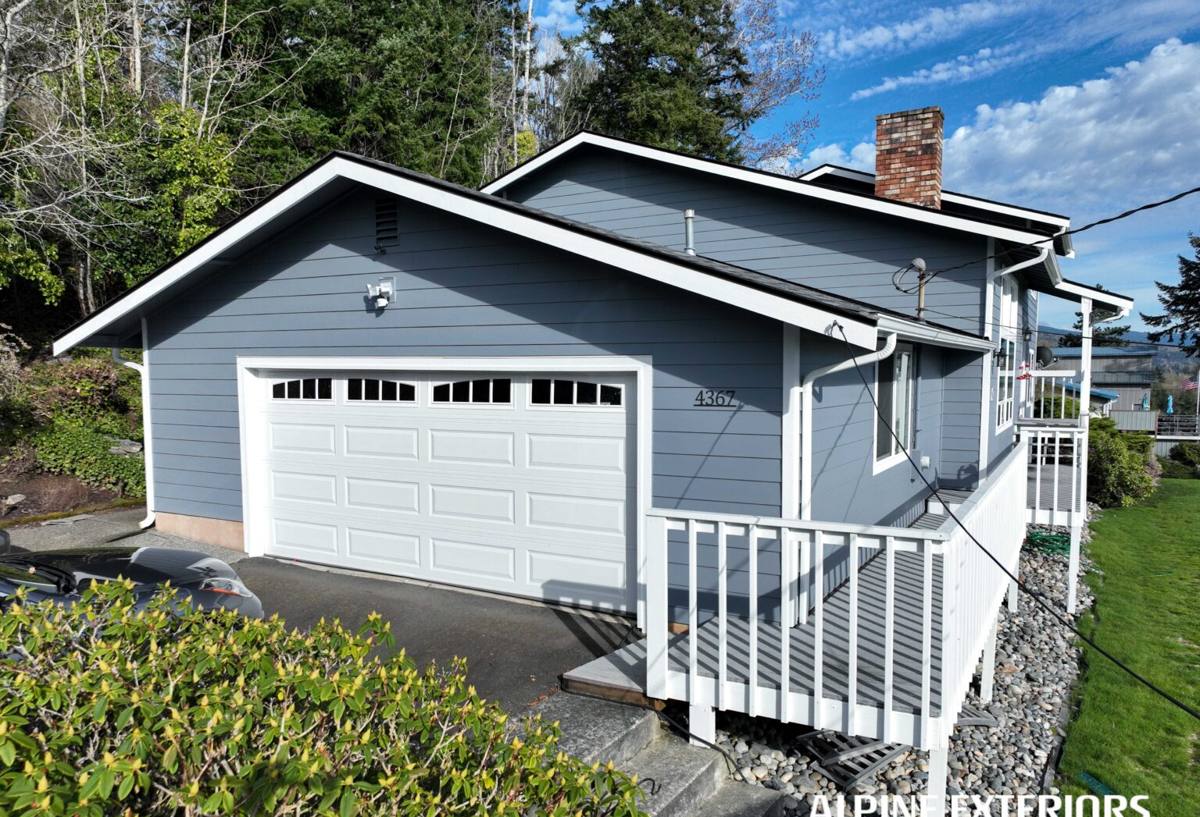
Why Local Conditions Change the Job
Three things drive most of the shingle roofing problems we see on Lynden homes: sustained rain events, a long moss and algae season, and wind gusts that come through the open agricultural land around town with less to slow them down than in more sheltered neighborhoods. None of these are dramatic on their own, but they're persistent, and persistent moisture exposure is what shortens the life of a shingle roof.
Driving Rain and Wind-Driven Water
Whatcom County storms often bring rain sideways, not straight down. That matters because standard shingle installation assumes water sheds downhill in a fairly predictable path. Wind-driven rain can push water sideways and even slightly uphill under shingle tabs, which is exactly why underlayment quality and lap direction matter more here than in calmer climates.
Moss and Sustained Dampness
A roof that stays damp for long stretches — because it's shaded by trees, faces north, or has poor airflow underneath — grows moss. Moss holds moisture against the shingle surface, works its way under tabs as it grows, and can lift granules over time. It's slow-moving damage, which is exactly why it's often ignored until it's expensive.
Temperature Swings and Shingle Flexibility
Whatcom County doesn't get extreme heat, but it does get cold, damp mornings followed by afternoon warm-up, and that daily flex matters over a 20-plus year shingle lifespan. Lower-quality shingles get brittle faster under repeated freeze-thaw-adjacent cycling, which is one reason we don't recommend cutting corners on material grade just to save a little up front.
What a Correct Shingle Installation Actually Involves
A shingle roof is a system, not a single layer. The shingles themselves get the attention, but the layers underneath and around them are what actually keep a Lynden home dry through the winter.
Underlayment and Moisture Barrier
We install synthetic underlayment across the full roof deck as a secondary moisture barrier, with self-adhered ice-and-water shield membrane at the eaves, valleys, and any roof-to-wall transitions — the spots where wind-driven rain is most likely to find a way in. This is a place where it genuinely does not pay to cut corners; the underlayment is what protects the deck if a shingle ever gets lifted or damaged in a windstorm.
Ventilation Balance
Every shingle roof needs balanced intake and exhaust ventilation — soffit vents pulling air in, ridge or roof vents letting it out. Without that balance, moisture from inside the home gets trapped in the attic, condenses on the underside of the deck, and rots sheathing from below while the shingles above look fine. This is one of the most common issues we find when we inspect an older Lynden roof: the shingles are still holding on, but the deck underneath has taken damage from years of unbalanced airflow.
Flashing at Every Transition
Chimneys, skylights, dormers, and sidewalls all need step flashing or counter-flashing, not just a bead of sealant. Sealant fails; properly lapped metal flashing sheds water for the life of the roof. We treat flashing as part of the shingle job, not an afterthought.
Nailing Pattern and Wind Resistance
Manufacturer nailing patterns exist for a reason, and skipping nails or hand-nailing at an angle is one of the most common causes of early shingle blow-off in windy conditions. We follow manufacturer specs on nail count and placement so the shingle's actual wind rating applies to the installed roof, not just the product on paper.
Choosing the Right Shingle for a Lynden Home
Not every asphalt shingle is built the same, and the right choice depends on your roof's exposure, budget, and how long you want to go before thinking about it again.
| Shingle Type | Typical Lifespan | Best For | Trade-offs |
|---|---|---|---|
| 3-tab asphalt | 15-20 years | Budget-conscious projects, rental properties | Lower wind rating, less impact resistance, flatter appearance |
| Architectural (laminated) | 25-30 years | Most Lynden homes | Higher upfront cost, but better wind and weather performance |
| Algae-resistant architectural | 25-30 years | Shaded lots, north-facing roofs, moss-prone areas | Slight cost premium over standard architectural shingles |
| Premium/designer shingles | 30+ years | Homes prioritizing appearance and longevity | Highest material cost; still needs correct installation to perform |
For most Lynden homes, we recommend architectural shingles with algae-resistant granules as the baseline. The granule technology reduces (it doesn't eliminate) algae and moss growth, and the heavier laminated construction handles wind-driven rain better than a 3-tab shingle. That said, 3-tab shingles remain a reasonable choice on lower-slope, lower-visibility roofs like detached garages or shops where budget matters more than a 30-year outlook.
How Our Process Works in Lynden
The process itself isn't complicated, but doing each step properly is what separates a roof that lasts from one that doesn't.
- Inspection and estimate. We walk the roof (not just look at it from the ground), check the decking condition where accessible, look at existing ventilation, and note any problem areas like valleys, chimney flashing, or moss buildup.
- Scope and material selection. We go over shingle options, underlayment upgrades if needed, and any decking repair that's likely once the old roof comes off.
- Scheduling around the weather window. Because of how much rain Whatcom County sees, we plan tear-off and dry-in around forecast windows so your home isn't sitting exposed if weather turns.
- Tear-off and deck inspection. Old material comes off down to the deck, and any rotted or soft sheathing gets identified and replaced before anything new goes down — this step is where hidden moisture damage actually gets found.
- Underlayment, flashing, and shingle installation. Installed in the order described above, following manufacturer specifications for nailing and exposure.
- Cleanup and walkthrough. Magnetic sweep for nails, gutter clear-out, and a walkthrough so you know what was done and what to watch for going forward.
Moss, Algae, and Ongoing Roof Care
A correctly installed shingle roof still needs some seasonal attention in a climate like this one. Moss doesn't mean the roof is failing — it means moisture is sitting somewhere it shouldn't, usually due to shade, debris buildup, or a north-facing slope that dries slowly.
- Keep gutters and valleys clear of leaves and needles, especially heading into fall rain
- Have overhanging branches trimmed back to reduce shade and debris on the roof
- Watch for dark streaking (algae) or green growth (moss) and address it before it spreads under shingle tabs
- Avoid pressure washing shingles — it strips granules and shortens shingle life
- Schedule a roof check after major windstorms to catch lifted or missing shingles early
- Have ventilation checked if you notice ice damming, attic condensation, or musty attic odor
Most moss and algae treatment on a healthy roof is a matter of gentle removal and monitoring, not major work. Where we do recommend intervention is when moss has been left long enough to lift shingle tabs or work granules loose — at that point it's a repair issue, not just cosmetic.
What Affects the Cost of a Shingle Roof in Lynden
We don't publish flat prices because every roof is different, but the factors that move the number are consistent from job to job.
| Factor | Why It Matters |
|---|---|
| Roof size and pitch | More surface area and steeper pitches take longer and require more safety setup |
| Number of existing layers | Tear-off of multiple old layers adds labor and disposal cost |
| Decking condition | Rotted or soft sheathing found during tear-off needs replacement before shingles go down |
| Roof complexity | Valleys, dormers, skylights, and chimneys all add flashing work |
| Shingle grade selected | 3-tab, standard architectural, and algae-resistant/premium lines carry different material costs |
| Access and site conditions | Long driveways, tight lot lines, or landscaping can affect staging and cleanup time |
The honest range for a full shingle roof replacement on a typical single-family home runs from a modest few thousand dollars for a small, simple roof up into the higher five figures for a large, complex one — the factors above are what push a project toward either end. We'll give you a firm number after the inspection, not a guess from a phone call.
Signs Your Lynden Roof Needs Attention
Because shingle roofs fail gradually, it's easy to miss the early signs from ground level.
- Granules collecting in gutters or at the base of downspouts
- Shingle edges curling, cupping, or looking uneven from the ground
- Moss or algae growth spreading rather than staying isolated to one shaded patch
- Visible daylight or water stains in the attic, especially near valleys or chimneys
- Missing or lifted shingles after a windstorm
- A roof approaching or past 20 years old that hasn't had a professional inspection recently
Any one of these on its own isn't necessarily an emergency, but they're worth a professional look before the next wet season rather than after a leak shows up on the ceiling.
Why Hiring a Crew That Already Works in Lynden Matters
A shingle roof installed by someone unfamiliar with the area can still look fine on install day — the problems show up two or three winters later, once wind-driven rain and a full moss season have had time to find every weak point. A crew that already works Whatcom County roofs knows to plan around the rain windows, knows which shingle lines actually hold up to the marine-influenced climate versus which ones are marketed for drier regions, and isn't guessing at ventilation needs for a house exposed to this much sustained moisture. Local scheduling also means faster response if a storm causes damage and you need someone out quickly rather than waiting on a crew traveling in from another county.
If you're weighing a repair against a full replacement, or just want an honest read on how much life is left in your current shingle roof, we're happy to take a look. Reach out for a free, no-pressure estimate using the form below — we'll walk the roof, explain what we find, and give you a straight answer either way.