 Bellingham Roofing
 Why Shingle Choice Matters More Here Than in Most Places
Bellingham sits in a spot that's genuinely tough on roofs. You've got salt air rolling in off Bellingham Bay and the Salish Sea, driving rain that comes in sideways during a southwesterly blow, and a moss season that, honestly, runs most of the year in the shaded, tree-heavy neighborhoods common throughout Whatcom County. A shingle that performs fine in a dry inland climate can struggle here, and a shingle that's marketed as "premium" isn't always the right fit for a specific roof's pitch, sun exposure, or tree cover. Picking the right product up front saves you money over the life of the roof — not just in materials, but in maintenance, repairs, and how many years you get before you're doing this again.
This page walks through the shingle options homeowners in Bellingham actually choose between, what the marketing terms mean in practice, and how to think about the trade-offs so you can have an informed conversation with whoever bids your job — us or anyone else.
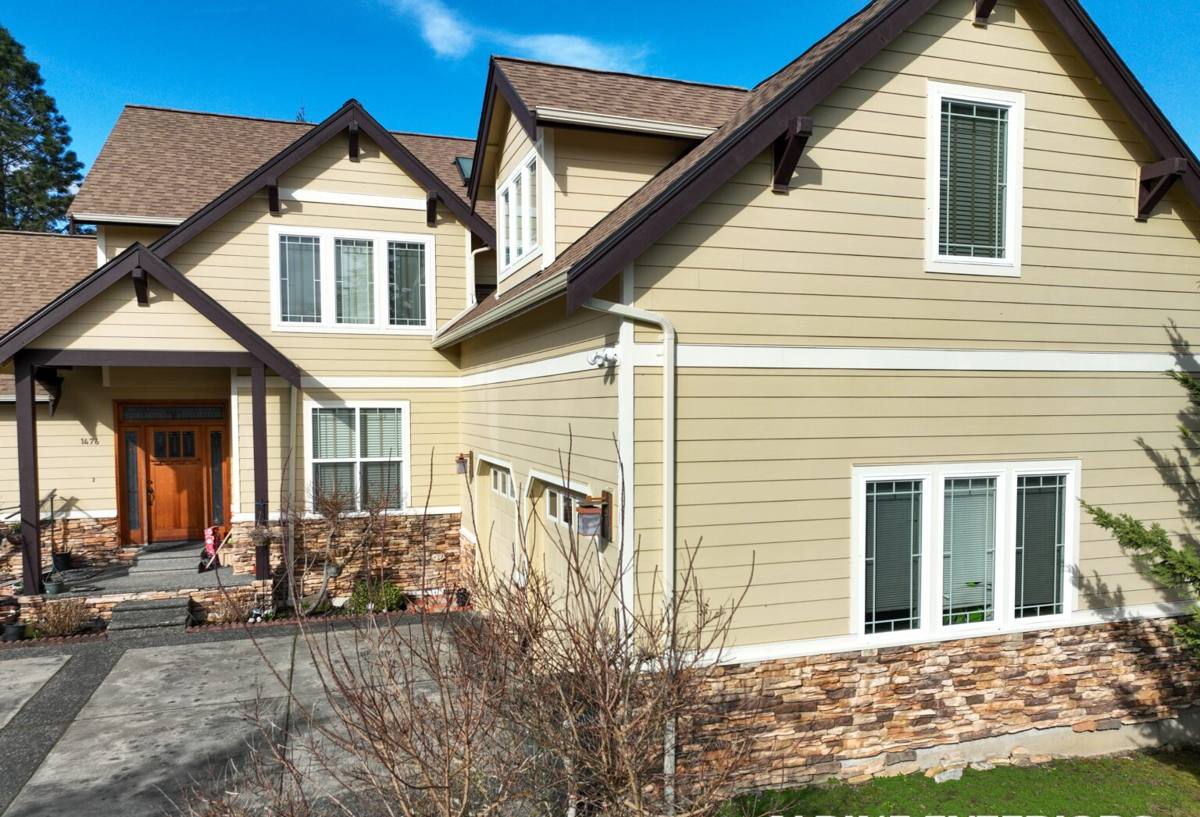
The Main Shingle Types You'll Be Choosing Between
3-Tab Asphalt Shingles
This is the traditional flat, uniform-tab shingle most people picture when they hear "asphalt roof." It's the lightest-weight and least expensive asphalt option. The trade-off is a shorter service life and a flatter, less dimensional look. In a wet, moss-prone climate like ours, 3-tab shingles also tend to show algae staining and moss encroachment a bit faster than heavier products, simply because there's less mass and less of a protective granule layer to begin with. It's still a legitimate choice for a garage, outbuilding, or a budget-driven project — we just want homeowners to know what they're getting.
Architectural (Dimensional) Asphalt Shingles
This is what the large majority of Bellingham homes are re-roofed with today, and for good reason. Architectural shingles are made of two or more laminated layers, giving them a thicker, more textured, shadow-line appearance and meaningfully more material to resist wind uplift and physical wear. They typically carry longer manufacturer warranties than 3-tab products and hold up better to the freeze-thaw and constant damp cycle that's normal for a Pacific Northwest winter. For most homes in Whatcom County, this is our default recommendation — good performance for the money, wide color selection, and a look that suits both older craftsman homes and newer construction.
Synthetic and Composite Shingles
These products are engineered to mimic the look of cedar shake or slate using polymer or rubber-based materials. They're heavier-duty than standard asphalt in terms of impact resistance and don't absorb moisture the way wood does, which matters in a climate that stays damp for long stretches. They cost more than architectural asphalt but less than real slate, and they're worth considering if you want a shake or slate look without the maintenance that comes with the real material.
Cedar Shake
Cedar has a genuine, warm look that suits a lot of the older and craftsman-style homes around Bellingham, and it's historically been popular here. Our honest professional standard, though, is that untreated cedar shake is a high-maintenance product in this climate specifically. Wood shake needs consistent airflow underneath it and regular treatment to resist moss, moisture retention, and rot — and Bellingham's moss season and driving rain work against all three. If a homeowner wants the cedar look, we'll talk through what a properly ventilated, well-maintained cedar roof actually requires, or point toward a synthetic shake product that gives a similar appearance with less ongoing upkeep.
Metal Roofing (Not a Shingle, But Worth Mentioning)
Standing seam and metal shingle panels aren't part of most "shingle" conversations, but they come up often enough in Bellingham that it's worth a line here: metal sheds moss and standing water far more effectively than any shingle product because there's no granule surface for spores to take hold on and water simply doesn't sit. It's a higher upfront investment, but for a steep, shaded, moss-prone roof, it's a legitimate alternative worth discussing.
Algae, Moss, and Salt Air: What Actually Matters
Three regional factors drive most of the shingle-related calls we get in Bellingham, and they're worth separating out because each one calls for a different response.
Moss and algae growth is largely driven by shade, tree cover, and how long a roof surface stays damp. Many asphalt shingles today are manufactured with copper- or zinc-infused granules specifically to resist algae staining — look for products labeled algae-resistant, and understand that this helps with surface staining but doesn't eliminate the need for basic roof maintenance like keeping gutters and valleys clear of debris where moss likes to establish itself.
Salt air from the Bay is mostly a concern for metal flashing, fasteners, and vents rather than the shingle material itself. Asphalt shingles aren't meaningfully degraded by salt exposure, but the metal components around them — drip edge, step flashing, roof vents — can corrode faster near the water if they're not a corrosion-resistant grade. This is more of an installation-detail issue than a shingle-brand issue.
Driving rain tests the roof's water-shedding details more than the shingle itself: underlayment quality, how the courses are laid, and how valleys and penetrations are flashed. A mid-grade shingle installed with excellent water-management detailing will consistently outperform a premium shingle installed carelessly.
Wind and Impact Ratings Worth Understanding
Shingle packaging lists a wind rating and sometimes an impact rating — both are worth a quick look, even though Bellingham isn't a high-impact-hail zone.
- Wind rating: Most architectural shingles are rated for sustained winds in the 110-130 mph range when installed per the manufacturer's nailing pattern. The installation matters as much as the rating — a correctly nailed mid-tier shingle will outperform an under-nailed premium one in a windstorm.
- Class 4 impact rating: This measures resistance to impact damage (traditionally tested with hail). It's not usually the deciding factor for Whatcom County roofs, but some insurance carriers offer a premium discount for Class 4 shingles, which can make the modest upcharge worth asking about.
- Fire rating: Nearly all asphalt, synthetic, and metal roofing products carry a Class A fire rating. Untreated wood shake typically does not, which is a detail worth knowing if you're weighing cedar.
Color and Curb Appeal Around Bellingham Neighborhoods
Shingle color affects more than looks. Darker shingles run warmer in direct sun and can make attic spaces harder to keep cool in summer, while lighter and cooler-toned shingles reflect more heat. In a marine climate like ours, that's a smaller factor than it would be somewhere hot and dry, but it's still worth a thought if your attic isn't well ventilated. From a style standpoint, we see a lot of weathered wood, driftwood gray, and charcoal tones chosen to complement the older craftsman and Pacific Northwest architecture common in neighborhoods like Fairhaven and the York and Sehome areas, while newer construction elsewhere in the county tends toward cleaner charcoal or slate-gray tones. If your home is in a neighborhood with an HOA or historic overlay, it's worth checking any color or material restrictions before you fall in love with a specific shingle.
Comparing Your Options
| Shingle Type | Typical Lifespan | Moss/Moisture Behavior | Relative Cost | Best Fit |
|---|---|---|---|---|
| 3-Tab Asphalt | 15-20 years | Fair; shows algae staining sooner | Lowest | Budget projects, outbuildings |
| Architectural Asphalt | 25-30+ years | Good, especially with algae-resistant granules | Moderate | Most Bellingham homes |
| Synthetic/Composite | 30-50 years | Very good; low moisture absorption | Higher | Shake or slate look with less upkeep |
| Cedar Shake | 20-30 years with upkeep | Requires ventilation and regular maintenance | Higher | Traditional/craftsman aesthetic, willing to maintain |
| Metal Panel/Shingle | 40-60+ years | Excellent; sheds moss and standing water | Highest | Steep, shaded, high-moss roofs |
These are general ranges, not guarantees — actual lifespan depends heavily on installation quality, roof pitch, ventilation, and how much shade and debris the roof deals with year to year.
Warranty Structure: What It Actually Covers
Shingle warranties are one of the most misunderstood parts of a re-roof decision. A few things worth knowing before you compare quotes:
- Manufacturer material warranties typically cover defects in the shingle itself, not labor, and coverage often steps down after the first several years.
- Enhanced or "lifetime" warranty tiers usually require the roof to be installed by a manufacturer-certified contractor using that manufacturer's full system of underlayment, starter strip, and ridge cap — mixing brands can void the enhanced coverage even if the shingle itself is fine.
- Workmanship warranties come from the contractor, not the manufacturer, and cover installation errors. Ask what's covered and for how long, and get it in writing.
A Practical Checklist Before You Decide
- How much tree cover and shade does the roof get, and does that push you toward algae-resistant or synthetic options?
- What's the roof pitch — steep roofs shed water and moss debris faster than low-slope sections.
- Is any part of the home under an HOA or historic-district material or color restriction?
- Does the shingle's wind rating match what a correctly executed nailing pattern can actually deliver?
- What does the manufacturer warranty require to stay valid, and what does the contractor's workmanship warranty separately cover?
- Is the attic ventilated well enough to support the shingle and warranty requirements?
Getting It Right the First Time
There's no single "best" shingle — there's a best shingle for a given roof, budget, and how much ongoing maintenance a homeowner wants to take on. A well-installed architectural asphalt shingle is the right call for most homes in Bellingham and the surrounding Whatcom County area, but shaded, steep, or moss-prone roofs sometimes justify a synthetic or metal upgrade, and homeowners chasing a specific traditional look may reasonably choose cedar with eyes open about the maintenance involved. What matters most, regardless of product, is correct installation: proper underlayment, flashing, ventilation, and nailing pattern, because that's what actually determines how a roof handles our rain, wind, and moss season year after year.
If you'd like an honest look at your roof and a straightforward recommendation based on your home's specific conditions, we're happy to come out for a free, no-pressure estimate — no obligation, just a clear rundown of your options.