 Bellingham Roofing
 New Roof Installation for York, Built for Bellingham's Weather
York is one of Bellingham's older, established residential pockets, close enough to the water and the hills around it to catch the full range of what Whatcom County weather throws at a roof over the course of a year. A new roof installation here isn't just a matter of stripping off old shingles and nailing down new ones. It's a chance to correct whatever the previous roof got wrong, account for how this specific stretch of Bellingham actually weathers a house, and put on a system that's built to hold up for decades rather than just look good for the first one or two.
This page covers what a correct new roof installation involves for a York-area home, what our process actually looks like from first call to final walkthrough, and why the climate here — salt air, driving rain, and a moss season that runs longer than most homeowners expect — changes some of the decisions that go into the job.
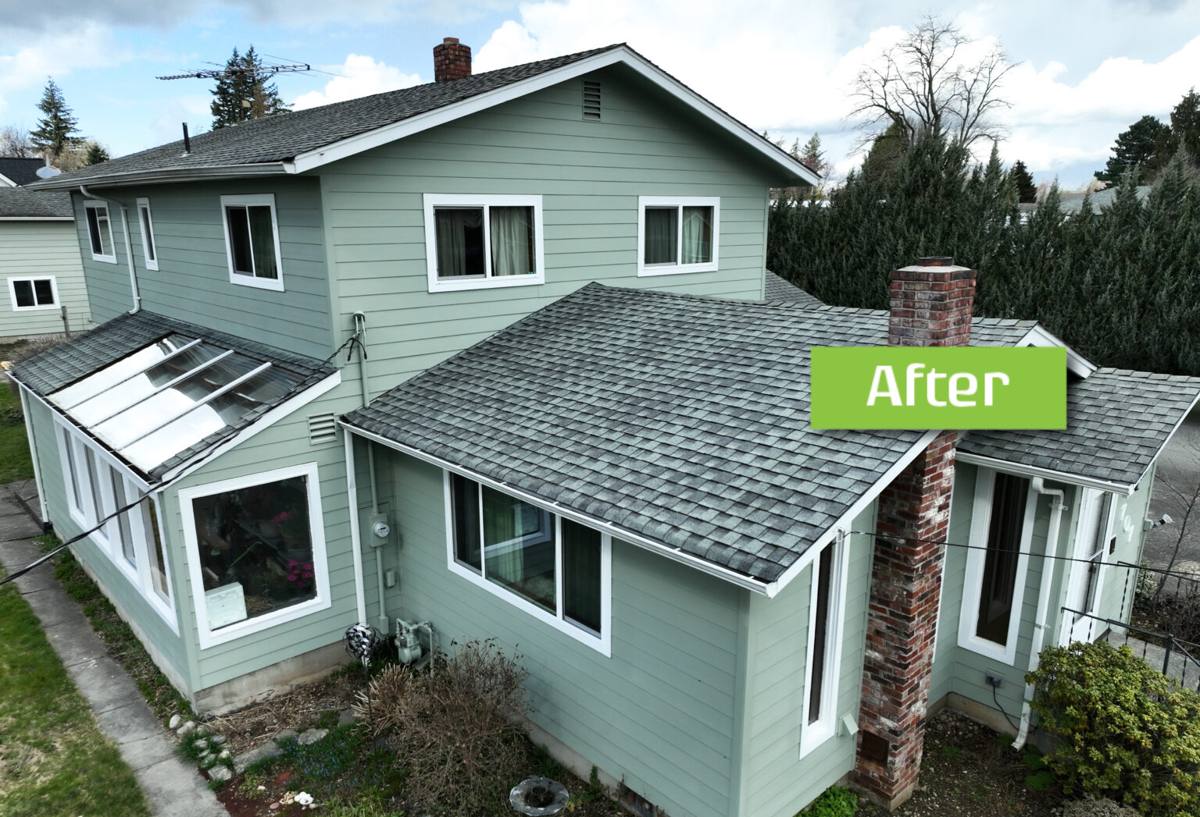
What Bellingham's Climate Actually Does to a Roof
Roofing materials are engineered and tested for general climate conditions, but "general" doesn't capture what a roof in this part of Bellingham deals with year after year. Three things in particular shape how we approach a new install here.
Salt Air and Corrosion
Proximity to Bellingham Bay means the air carries a measurable amount of salt, even well inland from the water. Salt-laden air accelerates corrosion in exposed metal — flashing, fasteners, vent stacks, gutter hardware — faster than it would in a drier, inland climate. A roof built with standard-grade fasteners and flashing metal will show rust and pitting years before one built with corrosion-resistant materials, and once flashing starts to corrode, it stops doing its job of keeping water out of the places where a roof plane meets a wall, chimney, or vent.
Wind-Driven Rain
Rain in this region rarely just falls straight down. Storms moving through push rain sideways and even upward under roof edges, shingle tabs, and flashing laps. A roofing system built for a climate where rain mostly falls vertically can perform fine there and still fail here, because the water intrusion points are different. Underlayment coverage, shingle lap direction, and flashing detail at every transition matter more in a climate like this than in most of the country.
A Long Moss Season
Mild temperatures and persistent moisture mean moss and algae growth isn't a seasonal nuisance here — it's close to a year-round condition, especially on shaded, north-facing roof slopes and under tree cover, which is common on older lots throughout York. Moss holds moisture directly against the roofing material, works its way under shingle tabs as it grows, and can shorten the life of an otherwise sound roof by years if it's never addressed.
None of this means a roof in York needs to be exotic or overbuilt. It means the ordinary decisions — fastener grade, underlayment type, flashing detail, material selection — need to be made with this specific climate in mind rather than defaulted to whatever's cheapest or fastest to install.
What a Correct New Roof Installation Actually Involves
A new roof is really several connected systems working together, not just a single layer of visible material. Skipping or shortcutting any one of them is where most premature roof failures start.
Full Tear-Off and Deck Inspection
We remove the existing roofing down to the deck rather than installing over an old layer. That's the only way to actually see the condition of the roof deck, which is where long-term moisture problems on older homes tend to show up first — soft spots, rot, or delamination that a layover installation would simply bury under a new roof and hide from view. Any damaged decking gets replaced before anything new goes down.
Underlayment System
The underlayment is the roof's actual waterproofing layer; the visible shingles or panels are the wear surface on top of it. We use synthetic or self-adhered underlayment systems designed to resist wind-driven rain intrusion, with self-adhered membrane at vulnerable points — eaves, valleys, and roof penetrations — where water is most likely to find a way in during a hard storm.
Flashing at Every Transition
Chimneys, skylights, vent pipes, valleys, and wall intersections are where roofs actually leak, far more often than the open field of the roof itself. We form and install new flashing at every one of these points rather than reusing old flashing, using corrosion-resistant metal appropriate for a salt-air environment.
Ventilation
A roof deck that can't breathe traps moisture underneath the roofing material, which accelerates rot from below and feeds the conditions moss needs to take hold. We evaluate intake and exhaust ventilation as part of every new roof install, not as an optional add-on, because it directly affects how long the rest of the system lasts.
Fastening and Nailing Pattern
Manufacturer specifications on nail placement, nail count, and fastener type exist for a reason — they're tied directly to the wind rating the shingle is actually warrantied for. We follow manufacturer specs exactly, because a shingle installed with the wrong nailing pattern can fail in a wind event well below the rating printed on the wrapper.
Choosing the Right Roofing Material for a York Home
Most York homes are well served by a quality architectural asphalt shingle, but the right choice depends on your roof's exposure, pitch, tree cover, and how long you plan to stay in the home. Here's how the common options stack up for this specific climate.
| Material | Strengths Here | Trade-Offs to Know |
|---|---|---|
| Architectural asphalt shingle | Cost-effective, wide color range, good wind ratings, algae-resistant options available | Needs periodic moss and debris removal on shaded slopes; lifespan shorter than metal |
| Algae-resistant shingle | Copper or zinc granules resist the staining and growth that a long moss season causes | Modest cost premium over standard shingles; still benefits from occasional cleaning |
| Standing-seam metal | Long service life, sheds moss and water aggressively, strong wind performance | Higher upfront cost; requires a crew experienced with metal detailing |
| Synthetic/composite shingle | Impact resistance, consistent appearance, low maintenance | Higher material cost; product track record shorter than asphalt or metal |
We'll walk through these trade-offs against your specific roof and budget rather than steering every homeowner toward the same product. For most standard residential reroofs in this area, a quality algae-resistant architectural shingle installed correctly is the most sensible balance of cost, appearance, and performance against local conditions.
Should You Consider Metal for a York Reroof?
Metal roofing sheds moss growth far more effectively than asphalt because there's no granule surface for spores to take hold in, and it handles wind-driven rain well when detailed correctly at seams and penetrations. It costs more upfront than asphalt and isn't the right fit for every budget or every roofline, but on a roof with heavy shade or persistent moss problems, it's worth a genuine look rather than a reflexive no.
Our New Roof Installation Process
The process is the same whether your home is a modest single-story or has a more complex roofline, though the timeline shifts with size and pitch.
- In-person inspection and estimate. We walk the existing roof, check the attic for ventilation and moisture signs where accessible, and give you a written estimate before asking for any commitment.
- Material selection. We go over the options that fit your roof, your budget, and how the home is exposed to sun, shade, and weather.
- Permitting. We handle the City of Bellingham permit process required for a full reroof so you don't have to navigate it yourself.
- Tear-off and deck inspection. Old roofing comes off down to the deck, and any damaged sheathing is identified and replaced.
- Underlayment and flashing installation. Waterproofing goes down first, followed by new flashing at every transition point.
- Roofing material installation. Shingles, metal, or composite material is installed to manufacturer spec, including nailing pattern and exposure.
- Ventilation check and adjustment. Intake and exhaust ventilation are confirmed or upgraded as part of the job.
- Final walkthrough and cleanup. We walk the finished roof with you, do a magnetic sweep of the yard for stray fasteners, and answer any remaining questions before calling the job done.
Why a Crew That Already Works York Matters
A roofing crew that regularly works this part of Bellingham has already seen how salt air corrodes cheap fasteners over a handful of winters, which roof slopes in the neighborhood hold moss the longest, and how wind-driven rain finds the gaps in a poorly detailed roof. That's practical knowledge that shows up in the small decisions on the job — which fastener grade to use, where to add extra flashing coverage, which slopes need a closer look at ventilation — decisions a crew unfamiliar with the area might not think twice about.
Local presence also matters after the job is done. If a warranty question or an unexpected issue comes up two or three years down the line, you want a company that's still local, still reachable, and still standing behind the work — not a crew that moved on to the next region after a single storm season.
Permits and Warranties
A full roof replacement in Bellingham requires a building permit, and we pull it as part of the job rather than leaving that step to the homeowner. Skipping the permit might save a small fee, but it creates real problems later — at resale, with insurance claims, or if the work needs to be inspected for any reason.
On warranties, it's worth understanding the difference between two separate things:
- Manufacturer material warranty: Covers defects in the shingle or roofing material itself. Enhanced, non-prorated tiers often require installation by a certified installer to be valid.
- Workmanship warranty: Our own guarantee against installation errors, which are the more common source of actual leaks. Ask any contractor how long this runs and whether they'll still be around to honor it.
We'll explain exactly what's covered under each before you sign anything, in writing, so there are no surprises later.
Signs a York Home May Need a New Roof, Not a Repair
Not every roof problem calls for a full replacement, and we'll tell you honestly when a repair is the more sensible option. But certain signs usually point toward a new roof being the right call rather than another patch.
- Shingles that are curling, cracking, or losing significant granule coverage across large sections of the roof
- Persistent moss growth that keeps returning within a season or two of cleaning
- Soft or spongy spots underfoot on the roof deck, indicating moisture damage below the surface
- Daylight visible through the roof deck from inside the attic
- Repeated leaks in different locations rather than one isolated, repairable spot
- A roof already past or close to the end of its expected material lifespan
- Visible sagging along the roofline or at the ridge
Getting an Honest Estimate
If you're weighing a new roof for a home in York, we're happy to come take a look, walk you through what we find, and put together a written estimate with no pressure to sign anything on the spot. It costs nothing to get a second opinion before making a decision this size.