 Bellingham Roofing
 Windows in Sehome Take a Different Kind of Beating
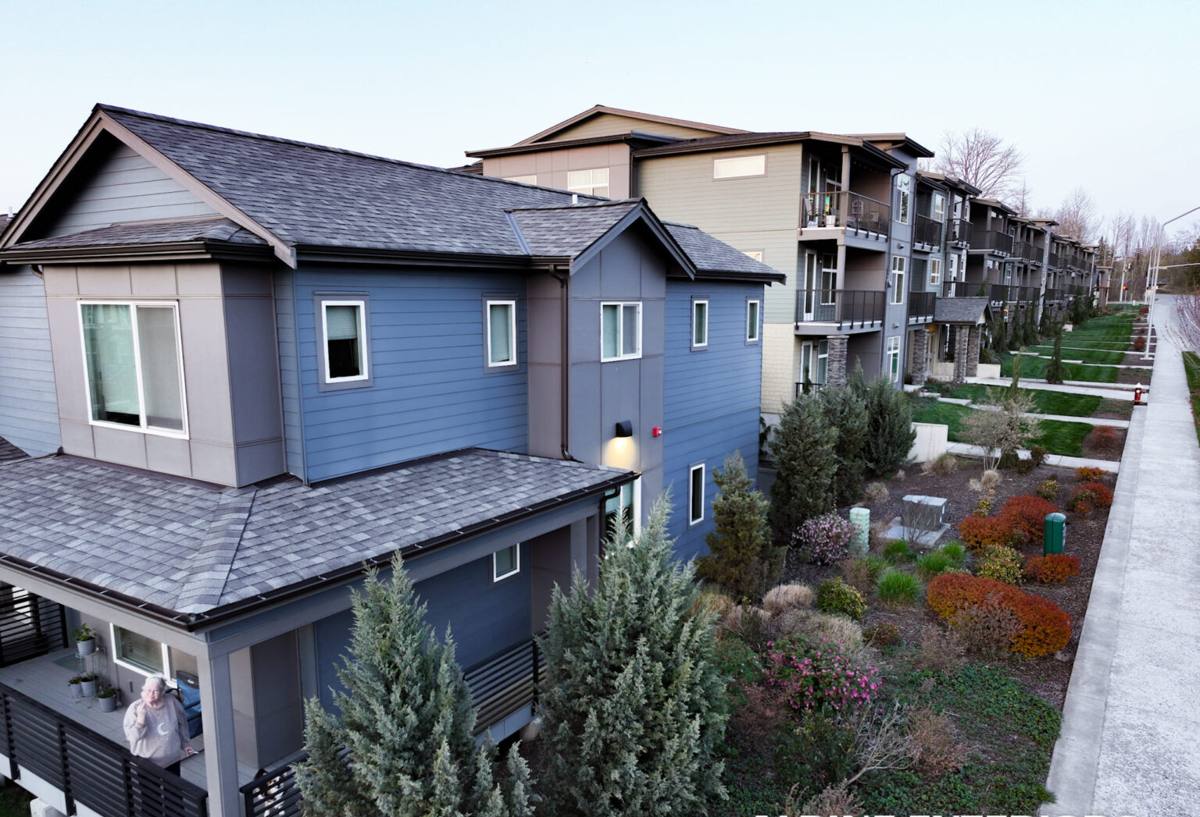
Sehome sits close enough to Bellingham Bay that salt-laden air is a constant, quiet factor in how building materials age here. Add Whatcom County's long stretch of driving rain each fall and winter, plus a moss season that seems to run longer every year, and you've got a climate that's genuinely hard on window assemblies — not just the glass, but the frames, the seals, and everything tucked behind the trim that you can't see from the curb. Sehome's housing stock is a mix of older homes from earlier building eras alongside newer infill construction, which means the window problems we run into on any given block can look completely different from house to house. A 1960s single-pane aluminum slider ages differently than a 1990s vinyl unit, and both age differently than something installed in the last decade. Understanding which situation you're in matters more than any general rule of thumb.
What "Salt Air" Actually Does to a Window
It's not dramatic — it's slow. Airborne salt accelerates corrosion on exposed metal hardware (hinges, locks, balance mechanisms) and can pit or cloud certain finishes over years of exposure. It also tends to find its way into any gap in a seal faster than plain rainwater would, because it lowers the surface tension of the moisture riding along with it. None of this means your windows are doomed — it means the hardware and finish choices, and the quality of the seal, matter more here than they would fifty miles inland.
What Driving Rain Exposes
Wind-driven rain doesn't just fall — it pushes sideways into any weak point in a window's water management system. A window that's fine in a light, straight-down rain can leak in a Whatcom County storm if the flashing behind the trim wasn't done correctly, if the sill pan is missing or improvised, or if the sealant has failed. This is why so many "window problems" in this region are actually installation problems that show up years later, not manufacturing defects.
Signs a Sehome Home Needs Window Replacement
Not every issue means a full replacement — but these are the signs worth taking seriously before they turn into rot, mold, or a bigger repair bill:
- Condensation or fogging between the panes of a double-pane window (a failed seal, not a cleaning issue)
- Windows that feel drafty even when fully latched, especially noticeable in wind-driven rain events
- Visible soft spots, discoloration, or bubbling paint on the wood trim or sill around a window
- Difficulty opening, closing, or locking — often a sign of a swollen frame or worn hardware
- Persistent moss or dark streaking on the sill or the wall just below the window
- A noticeable jump in heating costs with no other explanation
- Single-pane glass in a home you plan to keep long-term — the energy loss adds up every winter
What a Correct Window Replacement Actually Involves
Swapping the glass unit itself is the easy part. The work that actually determines whether a window performs well in this climate for the next 20-plus years happens around it.
Removal and Inspection
We remove the old window carefully and inspect the framing and sill underneath before anything new goes in. This is the point where hidden water damage or rot — if it exists — actually gets found. Skipping this step is how a new window ends up installed over a problem that just keeps growing behind the wall.
Flashing and Water Management
Given how much driving rain this region sees, proper flashing integration with the existing wall assembly isn't optional. That includes a correctly installed sill pan, house wrap integration, and flashing tape sequenced so water is always directed outward and down — never trapped behind the window.
Air and Moisture Sealing
Interior and exterior sealing are two different jobs with two different purposes: exterior sealant sheds bulk water, while interior air sealing (foam or backer rod plus sealant) stops drafts and controls condensation risk. Both need to be done, and done in the right order.
Hardware and Finish Selection
In a salt-air environment, we lean toward hardware and finishes with better corrosion resistance where the budget allows, since it's cheap insurance against premature wear on locks and balances.
Choosing Windows for Sehome's Mixed Housing Stock
Because Sehome has both older homes and newer construction sitting close together, "the right window" isn't one product — it depends on your home's age, framing, and how long you plan to stay in it.
Older Homes
Original openings in older Sehome homes are often slightly out of square after decades of settling. A quality replacement window with the right installation method (insert vs. full-frame) accounts for that instead of forcing a modern unit into an opening that's shifted over time.
Newer Construction
Homes built in the last couple of decades usually have more standardized openings, which simplifies the install but doesn't reduce the importance of correct flashing — new construction is not immune to water intrusion if the original install cut corners.
Frame Material Comparison
| Material | How It Handles Salt Air & Rain | Maintenance | Typical Fit |
|---|---|---|---|
| Vinyl | Good corrosion resistance since there's no bare metal to pit; seals age over time | Low — occasional cleaning | Most Sehome homes, budget-conscious replacements |
| Fiberglass | Very stable in temperature swings and moisture; holds paint well if color changes are wanted later | Low | Homeowners planning to stay long-term |
| Wood (clad exterior) | Interior warmth with exterior protection, but any gap in the cladding invites moisture into the wood core | Higher — cladding seams need periodic inspection | Older or historic-style homes wanting a wood interior look |
| Aluminum | Prone to corrosion and condensation in this climate unless thermally broken; we're selective about where we recommend it | Moderate to high | Specific architectural situations only |
We don't push one material on every job. The right call depends on your home's exposure, your budget, and how long you're planning to own the house — we'll walk through the honest trade-offs during your estimate rather than steering you toward whatever's easiest to install.
How Our Process Works
- Free on-site assessment — we look at your current windows, framing condition, and any signs of moisture or drafts before recommending anything.
- Honest scope and options — you'll get a clear breakdown of what's actually needed versus what's optional, with real trade-offs explained.
- Scheduling around the weather — in a region with this much rain, we sequence work to minimize how long any opening sits exposed.
- Installation with proper flashing and sealing — no shortcuts on the water management steps, since that's what actually prevents future problems.
- Final walkthrough — we check operation, locks, and seals with you before we call the job done.
Why It Matters That We Already Work in Sehome
A crew that regularly works Sehome and the surrounding Bellingham area has already seen how this specific mix of salt air, wind-driven rain, and moss buildup plays out on real houses over real years — not just in a manufacturer's spec sheet. That experience shows up in small decisions: which sealant sequencing actually holds up through a wet Whatcom County winter, where extra flashing attention pays off, and which hardware finishes are worth the upgrade in this exposure. It also means we're not guessing at permitting or code expectations for the area — we're working within what we already know applies here.
Cost Factors Worth Understanding
Window replacement pricing varies widely based on a handful of real factors, not marketing tiers:
| Factor | Why It Moves the Price |
|---|---|
| Number and size of windows | More openings and larger units mean more material and labor |
| Frame material | Vinyl, fiberglass, and clad-wood carry different material costs |
| Installation method | Full-frame replacement (removing down to the studs) costs more than an insert replacement but is sometimes necessary if there's hidden damage |
| Hidden repairs | Rot or water damage found during removal adds scope — this is why the inspection step matters |
| Access and layout | Second-story or hard-to-reach windows take more time and equipment |
We'd rather give you a realistic range up front, tied to your actual home, than a low number that grows once work starts.
Ready for an Honest Look at Your Windows?
If you're noticing drafts, fogged glass, or sticky sashes on a Sehome home, it's worth getting a straightforward, no-pressure assessment before winter's driving rain finds every weak spot. Use the form below to request a free estimate, and we'll walk you through exactly what your windows need — and what they don't.