 Bellingham Roofing
 Storm Damage Roof Repair for Sehome Homes
Sehome sits close enough to the water and high enough on the hill that it catches the full range of what Bellingham weather can throw at a roof. Homes here take on driving rain off the Strait, salty marine air that works into metal and fasteners, and long stretches of shaded, damp winters that keep moss growing nearly year-round. None of that is dramatic on its own, but stacked together over a few decades it wears roofs down faster than homeowners expect, and a single windstorm or heavy downpour is often what finally exposes damage that's been building quietly.
This page covers what storm damage repair actually involves for a Sehome roof specifically — not a generic overview, but the details that matter when your roof has to hold up against this particular mix of wind, salt, rain, and moss.
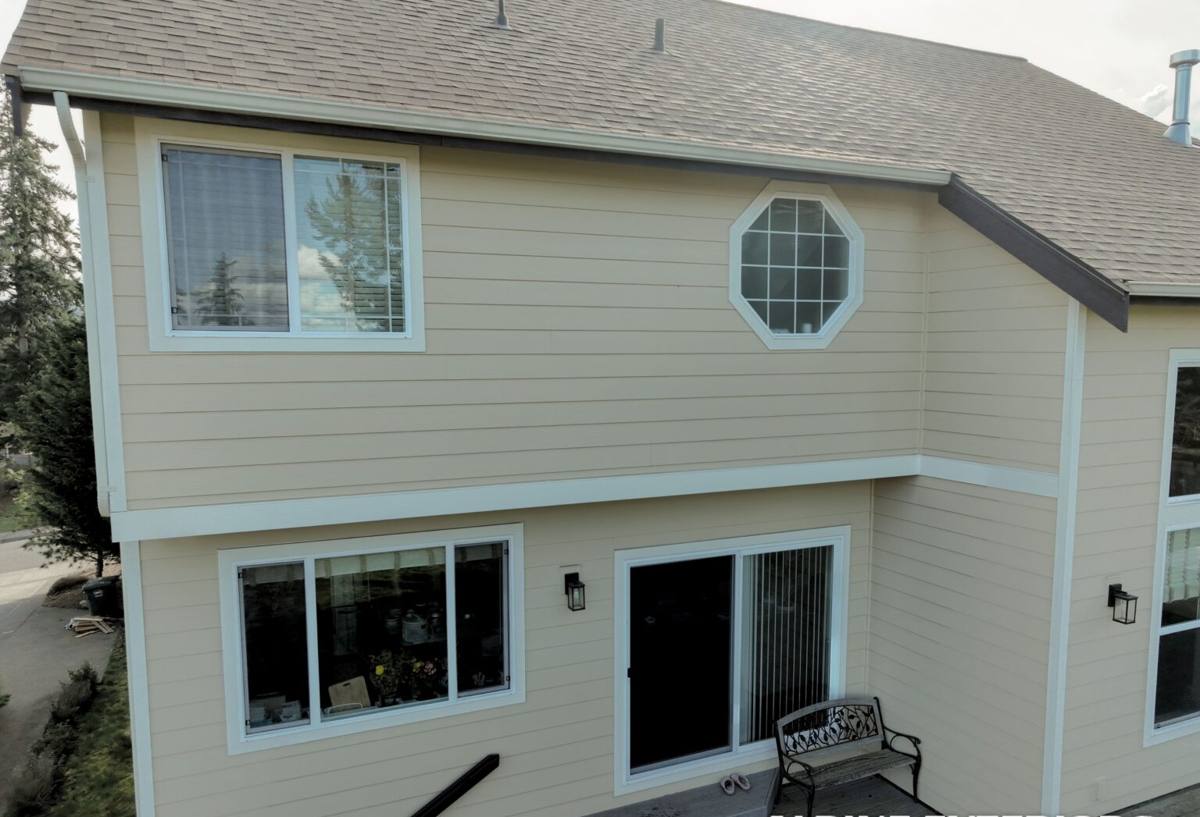
What Bellingham's Climate Does to a Sehome Roof
Whatcom County doesn't get the hail and tornado damage that dominates storm-repair articles written for the Midwest or the South. Our storm damage looks different, and it's easy to miss if you're only looking for what those articles describe.
Wind and Rain, Not Hail
Most storm damage we see around Sehome comes from sustained wind gusts combined with heavy, sideways rain rather than short violent bursts. Wind lifts shingle edges and loosens nail patterns over repeated events, even when no single storm looks severe. Once a shingle tab is lifted even slightly, wind-driven rain can get underneath it, and that's when water starts tracking into the deck instead of shedding off the surface.
Salt Air and Fastener Corrosion
Being close to Bellingham Bay means the air carries salt that accelerates corrosion on exposed metal — nail heads, flashing, gutter fasteners, and any exposed screws on a metal roof. Corroded fasteners back out or lose their grip, which is a quiet contributor to storm damage: a roof that would have shrugged off a wind event with sound fasteners instead loses shingles or flashing because the metal underneath had already weakened.
Moss and Trapped Moisture
Sehome's tree cover and shaded lots mean moss gets a long growing season. Moss holds moisture against the shingle surface far longer than open sun-exposed roofs experience, which softens shingles over time and lifts edges — again, priming the roof to lose material in the next storm rather than causing damage by itself. A storm-damaged roof in this neighborhood is very often a moss-softened roof that finally gave way under wind and rain.
Signs of Storm Damage Homeowners Can Actually Check For
You don't need to get on the roof to know something is worth having checked. Here's what to look for from the ground and inside the house after a windy, wet stretch:
- Shingle pieces, granules, or small metal fragments in the yard or gutters after a storm
- Gutters pulling away from the fascia or sagging in one section
- Visible gaps or lifted edges along roof lines when viewed from the street or a neighboring elevation
- New water stains on interior ceilings, especially near exterior walls or around chimneys and vents
- Musty smell in an attic or upper closet that wasn't there before
- Flashing that looks bent, loose, or separated around chimneys, skylights, or roof-to-wall joints
- Moss buildup that looks disturbed, torn, or shifted after wind, which often means shingle movement underneath it
Any one of these is a reason to get a roof looked at before the next weather system comes through, not after another round of damage stacks on top of it.
What a Correct Storm Damage Repair Involves
A lot of "storm repair" work is really just a tarp and a handful of patch shingles thrown at the visible problem. That stops active leaking, but it doesn't address why the damage happened, and on a Sehome roof — with salt air and moss already working against you — an incomplete repair tends to fail again within a season or two.
Diagnosis Before Repair
A correct repair starts by identifying the actual failure point, not just the leak location. Water travels along the deck and rafters before it shows up on a ceiling, so the visible stain is rarely directly above the real problem. This means checking the surrounding shingle field, flashing, underlayment, and deck condition — not just patching where the water appeared inside the house.
Matching the Existing Roof
Repairs need to tie into the existing shingle pattern, weave properly at valleys and hips, and use flashing details that match how the rest of the roof sheds water. A patch that doesn't integrate with the surrounding courses can create a new leak path even if it looks fine from the ground.
Addressing the Underlying Cause
If moss softened the deck or shingles in that area, or corroded fasteners let go, the repair needs to deal with that — not just replace the shingle on top of the same weakened conditions. Otherwise you're paying for the same repair again after the next storm.
Deck Inspection
Any time shingles have been missing or lifted long enough for water to reach the roof deck, that section of decking needs to be checked for soft spots or rot before new material goes down. Shingling over a compromised deck is one of the most common shortcuts in rushed storm repairs.
Our Process for Sehome Storm Repairs
- Inspection and documentation — We assess the full roof, not just the reported leak area, and document the damage with photos that hold up if you're filing an insurance claim.
- Honest scope discussion — We tell you plainly whether this is a targeted repair, a larger section replacement, or something in between, and why.
- Insurance coordination if needed — If you're working with your homeowner's insurance, we provide documentation and can walk an adjuster through what we found.
- Repair — Matching materials, correct flashing and underlayment work, and deck repair where the water reached it.
- Cleanup and follow-up — Full cleanup of debris and a straightforward explanation of what was done and why, plus what to watch for going forward.
Repair or Replace? Weighing the Decision
Not every storm-damaged roof needs full replacement, and not every roof can be reasonably patched. The right call depends on the roof's age, how widespread the damage is, and what condition the rest of the roofing system is in.
| Factor | Leans Toward Repair | Leans Toward Replacement |
|---|---|---|
| Roof age | Under 10-12 years | Nearing or past expected shingle lifespan |
| Extent of damage | Isolated area or single slope | Multiple slopes or widespread lifted shingles |
| Moss condition | Light, surface-level growth | Heavy moss with softened shingles in several areas |
| Deck condition | Solid, dry decking under the damage | Soft spots or rot found in more than one section |
| Shingle match | Matching shingles still available | Discontinued product, visible mismatch likely |
We'll give you our honest read on which side of that table your roof falls on, including the trade-offs of each option, rather than defaulting to the more expensive answer.
Insurance Claims for Storm Damage
Storm damage is one of the more common reasons Whatcom County homeowners file a roofing insurance claim, and having clear documentation matters. We photograph damage before any repair begins, note the likely cause (wind, wind-driven rain, falling debris), and can provide a written scope of work that adjusters can reference. We're not a public adjuster and don't negotiate your claim for you, but we make sure the roofing side of your documentation is thorough and accurate.
Why a Crew That Already Works in Sehome Matters
Sehome's mix of home ages, tree cover, and hillside exposure isn't identical to every Bellingham neighborhood, and a crew that regularly works this specific area has a working sense of which streets hold moss longest, which roof orientations take the worst of the wind and salt air, and what typical construction looks like on homes of a given era here. That familiarity shows up in small but real ways — knowing to check a particular flashing detail common to homes built in a certain decade, or recognizing moss patterns that indicate a longer-term moisture problem rather than a one-time storm event.
It also means faster response. After a significant wind event, a crew already working the neighborhood can often get eyes on a roof sooner than one dispatching from farther out, which matters when a tarp or temporary repair is buying time until permanent work can be scheduled.
Preventing the Next Round of Storm Damage
Once repairs are complete, a few maintenance habits go a long way in a climate like ours:
- Keep gutters clear so wind-driven rain has somewhere to go instead of backing up under shingle edges
- Have moss treated and removed on a regular schedule rather than letting it build up over multiple seasons
- Trim back overhanging branches that hold moisture against the roof and drop debris during storms
- Have flashing and fasteners checked periodically, since salt air corrosion is gradual and easy to miss until it fails
- Get a roof looked at after any significant wind event, even if no leak has shown up yet indoors
These are the same conditions we described earlier — wind, salt air, and moss — and keeping ahead of them is what separates a roof that needs occasional minor repair from one that keeps generating storm damage claims year after year.
Get a Straightforward Look at Your Roof
If your Sehome home has taken storm damage, or you just want a second opinion on what a recent windstorm may have done, we're happy to come take a look. The estimate is free, there's no pressure to move forward, and you'll get a plain explanation of what we find and what your options actually are.