 Bellingham Roofing
 Asphalt Shingle Roofing Built for the Puget Area, Not a Generic Climate
Most roofing articles talk about asphalt shingles in general terms — pick a color, pick a warranty, done. That's not how it works for homes in and around Puget. This part of Whatcom County sits close enough to the water that salt-laden air is a real material consideration, gets enough driving rain that flashing details matter more than shingle brand, and stays damp and shaded long enough each year that moss isn't an occasional nuisance — it's a season. A shingle roof that would hold up fine in a dry inland climate can fail early here if it wasn't installed with these specific conditions in mind.
This page is about one job, done right, in one area: asphalt shingle roofing for Puget-area homes. Not a sales pitch for a particular shingle line, and not a copy-paste of what we'd tell a homeowner in a different climate zone entirely.
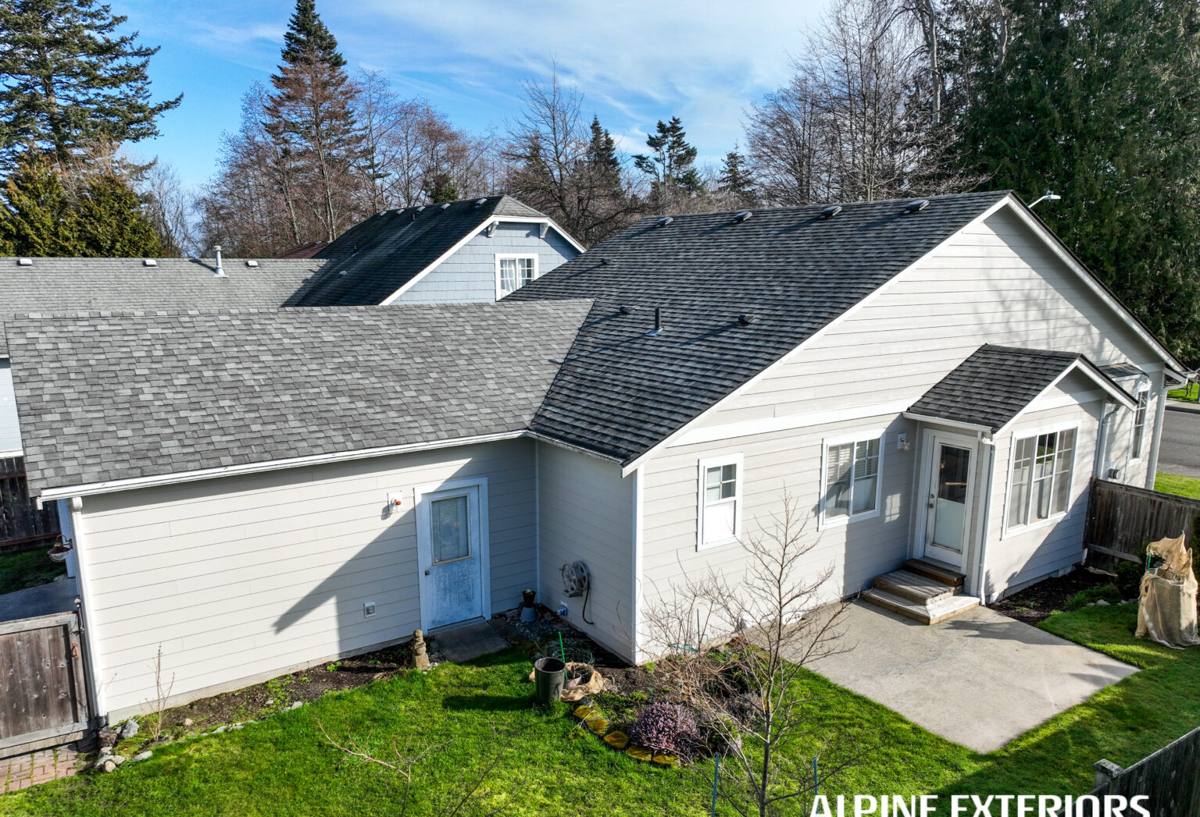
What Bellingham's Climate Actually Does to a Shingle Roof
Salt Air and Slow Corrosion
Homes closer to Bellingham Bay and the Puget-area shoreline deal with airborne salt that most inland shingle roofs never encounter. Salt air doesn't hurt the shingles themselves much, but it accelerates corrosion on exposed metal — nail heads, flashing, vent stacks, gutter hardware. A roof that uses the wrong fastener grade or leaves flashing seams exposed will show rust streaks and early metal failure well before the shingles themselves are due for replacement.
Driving Rain, Not Just Rain
Bellingham gets a lot of rain, but the bigger issue for roofs is wind-driven rain — storms that push water sideways and up under shingle edges, into valleys, and around penetrations like vent pipes and chimneys. A roof can shed straight-down rain just fine and still leak during a windy Pacific storm if the underlayment, valley flashing, and starter course weren't installed to handle water moving at an angle.
Moss, Shade, and a Long Wet Season
Puget-area lots often have mature tree cover, and combined with our long stretch of overcast, damp weather, north-facing and shaded roof slopes stay wet far longer than they would in a sunnier climate. That moisture retention is exactly what moss needs to establish. Once moss gets a foothold under shingle tabs, it lifts them, holds water against the roof deck, and shortens the life of the roof from underneath — often before it's visible from the ground.
What a Correctly Installed Shingle Roof Includes Here
A roof that's built for this specific climate isn't just "shingles nailed to plywood." The details that actually matter for Puget-area homes include:
- Synthetic underlayment rated for extended wet exposure, not just standard felt
- Ice-and-water shield at eaves, valleys, and around all penetrations — even though we're not a heavy ice climate, this membrane is just as effective against wind-driven rain intrusion
- Corrosion-resistant fasteners and flashing, especially on homes within a few miles of the water
- Proper starter strip along eaves and rakes so the first course resists wind lift
- Balanced intake and exhaust ventilation, so the attic doesn't trap the moisture that feeds moss and rot
- Step and counter-flashing at chimneys and walls that's integrated with the underlayment, not just caulked over
Skip any one of these and the roof might look fine for a year or two — the failures that come from cutting corners here tend to show up as slow leaks and hidden deck rot, not obvious problems you'd catch during a walkthrough.
Choosing a Shingle for Puget-Area Conditions
There's no single "best" shingle for every home, but for our climate the trade-offs are pretty clear once you lay them out:
| Shingle Type | Typical Lifespan | Best Fit For | Trade-offs |
|---|---|---|---|
| 3-tab (standard) | 15–20 years | Budget-conscious projects, rental properties | Lower wind rating, less algae/moss resistance without an upgrade |
| Architectural / laminate | 25–30 years | Most Puget-area homes | Higher upfront cost, but better wind performance and shadow-line appearance |
| Algae-resistant (AR) shingles | Same as base product | Shaded, damp, or north-facing roofs | Slightly higher cost; copper or zinc granules slow moss/algae growth but don't eliminate the need for cleaning |
| Impact-rated / Class 4 | 25–30+ years | Homes wanting storm resilience or insurance credit | Higher material cost; check with your insurer on premium discounts before assuming savings |
Our default recommendation for most Puget-area homes is a laminate/architectural shingle with algae-resistant granules, especially on any slope that sits in shade for a good part of the day. It costs more than 3-tab up front, but for this climate it's the difference between a roof that stays clean and one that needs moss treatment every year or two.
How We Approach a Puget Shingle Roofing Project
Our process is the same whether it's a full replacement or a targeted repair — we just scope it to what the roof actually needs:
- On-site inspection — we get on the roof (not just a ground look) to check the deck, existing ventilation, flashing condition, and any moss or moisture damage before quoting anything.
- Written estimate — a clear scope of work and price, spelling out shingle type, underlayment, and any deck repair or ventilation changes, so there are no surprise line items later.
- Tear-off and deck check — old roofing comes off down to the deck, and we inspect the sheathing for soft spots or rot before anything new goes down. This is where hidden moisture damage from moss or old flashing failures usually turns up.
- Underlayment and flashing first — this is the layer that actually keeps water out during a driving rainstorm; shingles are the finish, not the primary barrier.
- Shingle installation — installed to the manufacturer's nailing pattern and exposure spec, which matters more for wind and warranty validity than most homeowners realize.
- Final walkthrough and cleanup — magnetic sweep for stray nails, debris hauled off, and a final look at ventilation, flashing, and gutter tie-in before we call it done.
Keeping a Shingle Roof Healthy Through Bellingham's Moss Season
A well-installed roof still needs some upkeep in this climate — that's just realistic, not a sales pitch for a maintenance plan. What actually matters:
- Clear overhanging branches where practical to reduce shade and speed up drying after rain
- Keep gutters and valleys free of needles and leaf debris, which hold moisture against the roof edge
- Have visible moss growth removed gently (not pressure-washed, which can strip granules) before it spreads under shingle tabs
- Check attic ventilation isn't blocked by insulation, since poor airflow speeds up moss growth from underneath
- Get an inspection after any major windstorm, even if nothing looks obviously wrong from the ground
None of this is difficult, but it's the kind of thing that gets skipped until there's a leak. A five-minute look twice a year catches most problems while they're still cheap to fix.
What Affects the Cost of a Puget-Area Shingle Roof
We're not going to quote a number here that doesn't fit your actual roof, but these are the factors that move the price up or down on most projects we see in this area:
| Factor | Why It Matters |
|---|---|
| Roof size and pitch | Steeper roofs take longer and require more safety setup, which affects labor cost |
| Number of layers to remove | Tear-off of multiple old layers costs more than a single-layer strip |
| Deck condition | Rotted or soft sheathing found during tear-off adds material and labor to replace it properly |
| Shingle grade selected | 3-tab, architectural, and impact-rated products span a wide cost range |
| Ventilation upgrades | Adding or correcting ridge and soffit venting is a smart investment in this climate but adds to the scope |
| Access and roof complexity | Valleys, dormers, chimneys, and tight access all add time compared to a simple gable roof |
Why It's Worth Hiring a Crew That Already Works in Puget
A roofing crew that only sees this neighborhood occasionally is guessing at some of these details — how much salt exposure matters at a given distance from the water, which slopes actually need algae-resistant shingles versus which don't, how local wind patterns hit certain roof orientations. A crew that regularly works Puget-area homes has already seen how these roofs age here, not in a manufacturer's brochure or a climate zone hundreds of miles away.
That local pattern-recognition shows up in small decisions that add up: where to add extra flashing even if it's not strictly required by code, which shaded slopes are worth the upgrade to algae-resistant shingles, and where moss has historically been a problem on similar homes nearby. It's the difference between a roof that's technically installed correctly and one that's actually built for how this specific area weathers a roof over time.
If you're weighing a repair against a full replacement, or just want an honest read on how much life is left in your current shingle roof, we're happy to take a look. Reach out for a free, no-pressure estimate using the form below — we'll give you a straight answer, not a hard sell.