 Bellingham Roofing
 Windows Built for York's Corner of Whatcom County
Homes in the York neighborhood sit close enough to the water and the weather patterns off Bellingham Bay that windows take a beating most inland homeowners never think about. Salt-laden air works into aluminum hardware and steel fasteners. Driving rain off Puget Sound finds any gap in flashing or sealant within a season or two. And the long, wet moss season that runs from fall through spring keeps wood sashes and sills damp for weeks at a stretch. A window that would last decades in a dry climate can fail early here if it wasn't built, or installed, with that reality in mind.
"Custom windows" doesn't mean fancy shapes or high-end trim packages, though we do that too. For most York homes it means windows sized and detailed to fit openings that were framed decades ago, before manufacturers standardized sizes, and finished in a way that actually sheds Whatcom County's rain instead of trapping it against the wall.
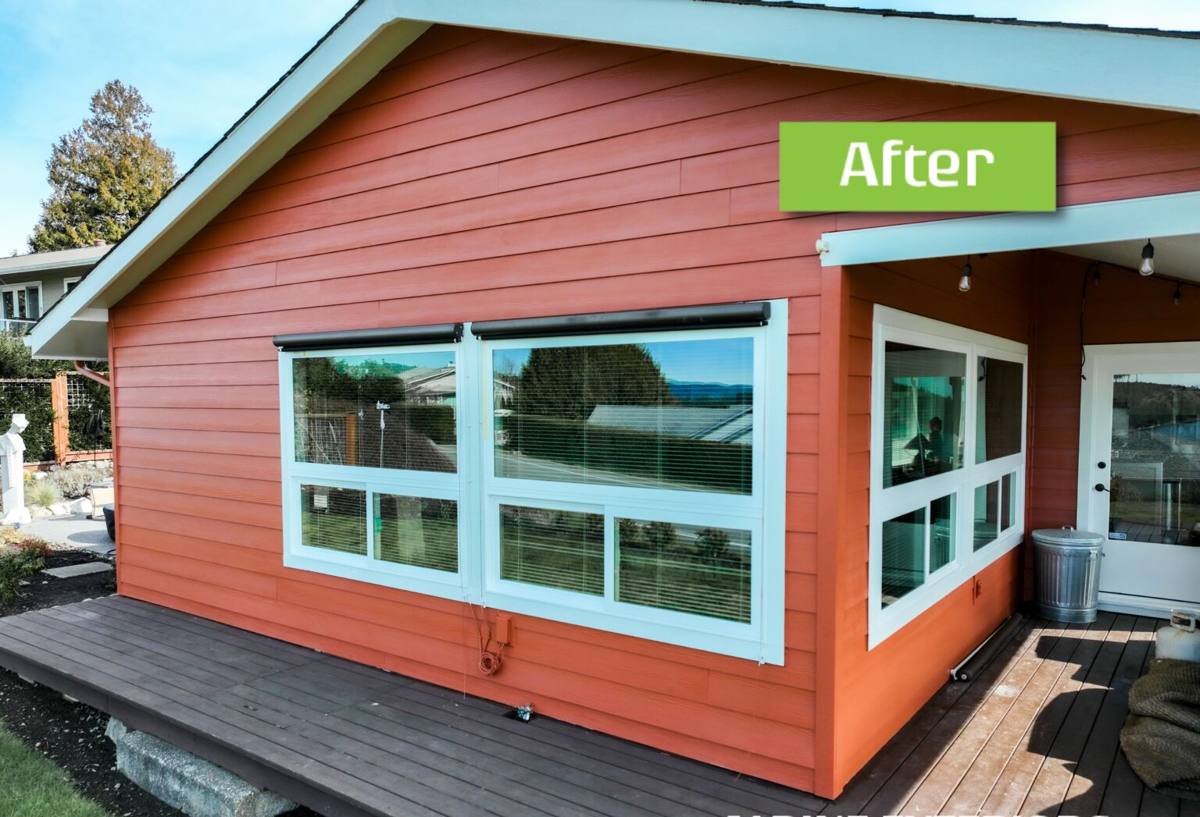
What York Homes Actually Need From a Window
Fit Before Features
A lot of window trouble in this neighborhood isn't the glass or the frame — it's a window that was never quite the right size to begin with. Older homes settle, openings go slightly out of square, and a stock replacement window forces the installer to pack the gaps with extra shims and sealant. That extra sealant is exactly the kind of thing that fails first when it's exposed to constant damp air. Custom-sized windows built to the actual opening need less field improvisation, which means fewer places for water to eventually find a way in.
Drainage, Not Just Sealing
Caulk and sealant are a first line of defense, not the whole plan. A window detailed correctly for this climate has a way to drain any water that does get past the outer seal — weep holes that stay clear, a sill pan that directs water back out instead of into the wall cavity, and flashing that laps correctly with the house wrap. When we talk about "custom," this is a big part of what we mean: match the drainage detail to the wall assembly that's actually there, not a generic install method.
Material That Tolerates Damp Cycles
Whatcom County doesn't get brutal cold, but it does get long stretches of damp, and that's a different kind of stress on a window than a hard freeze-thaw climate. Frame materials and finishes need to hold up to repeated wetting and drying without swelling, corroding, or losing their seal integrity.
Signs a York Home's Windows Are Losing the Fight
- Fogging or a visible haze between panes on a double- or triple-glazed unit — the seal has failed and the gas fill is gone
- Soft or spongy wood at the sill or lower corners of the frame, especially on sides facing prevailing weather
- Visible moss or dark green staining building up on sills, tracks, or exterior trim
- Drafts you can feel with a hand near the frame on a windy day, even with the window latched
- Hardware that's gone stiff, corroded, or won't latch tight anymore
- Paint or finish that's peeling specifically around the window opening, which often points to moisture getting into the wood behind the trim rather than just weathered paint
- Windows that are noticeably harder to open and close than they used to be, which can mean the frame has swelled or shifted
Any one of these on its own might just mean a repair. Several at once, especially fogging plus soft wood, usually means it's time to talk about replacement before the damage spreads into the surrounding framing.
What a Correct Installation Actually Involves
Window replacement looks simple from the curb, but the sequence matters more than the product. A rushed or out-of-order install is the single most common reason a good window still leaks.
- Removal without damage. The old unit comes out carefully so we can see the actual condition of the framing, sheathing, and any existing flashing before deciding on the plan.
- Inspect and repair the opening. Any soft wood, missing flashing, or gaps in the house wrap get addressed before a new window ever goes in. Installing a new window into a compromised opening just delays the same problem.
- Sill pan flashing. A sloped, sealed pan at the bottom of the opening gives any water that gets past the window a controlled path back outside instead of into the wall.
- Set the window level, plumb, and square. This is where custom sizing pays off — less shimming, tighter and more even reveal lines, fewer stress points on the frame.
- Integrate the flashing with the house wrap, lapped correctly so water sheds down and over, never up and under.
- Insulate the gap without overpacking it, which can bow the frame and cause the sash to bind.
- Exterior sealant and trim as the last line of defense, not the first.
- Final operation check — open, close, latch, and check for square and smooth movement before we call it done.
Frame Material Comparison for This Climate
| Material | How it handles salt air & damp | Maintenance | Typical fit for York homes |
|---|---|---|---|
| Vinyl | Doesn't corrode or rot; performs well in coastal-influenced damp climates | Low — occasional cleaning | Strong all-around choice for most replacement projects |
| Fiberglass | Very stable, resists swelling and doesn't corrode | Low | Good where a home needs a stiffer frame or a paintable finish |
| Wood (with quality cladding) | Handles moisture well only if the exterior-facing surfaces are properly clad and detailed | Moderate to high on any exposed wood | Best reserved for homes prioritizing a specific interior wood look, paired with a durable exterior clad |
| Aluminum | Can corrode over time in salt-influenced air unless finished and maintained well | Moderate | We use it selectively and are upfront about the added maintenance it needs here |
We're not going to tell you a certain product is "bad" — every material above has legitimate uses. What we will do is tell you honestly how a given option is likely to perform on your specific opening, given its sun and weather exposure, and let you weigh that against cost and appearance.
Cost Factors Worth Understanding
| Factor | Why it moves the price |
|---|---|
| Opening condition | Rot repair or reframing behind the old window adds labor before the new one ever goes in |
| Custom vs. stock sizing | Non-standard openings, common in older York homes, cost more to fill correctly but reduce long-term leak risk |
| Frame material | Fiberglass and higher-end vinyl systems generally cost more upfront than basic vinyl |
| Glazing package | Double vs. triple pane, and coatings for glare or heat, affect both price and performance |
| Number of openings | Doing a whole house at once is typically more cost-efficient per window than one-off replacements |
| Access and height | Second-story or hard-to-reach windows take more time and equipment |
We'll walk through these line by line during an on-site estimate rather than quoting a number over the phone — every one of these variables changes depending on what we find at your specific opening.
How We Approach a York Project
We start with a walk-around and a look at each opening from both sides — inside for signs of moisture or draft, outside for the condition of trim, sealant, and flashing. From there we talk through what's actually needed: some windows just need new hardware or resealing, others need full replacement, and being honest about which is which is part of the job. Once we agree on scope, we measure precisely rather than relying on stock sizes, order material, and schedule the install for a stretch of weather that lets sealants and flashing tape cure properly — rushing that step in the middle of a wet spell is how call-backs happen. We clean up fully at the end of each day, not just at the end of the job, since half-finished openings shouldn't sit exposed overnight in this climate.
Why Local Experience in This Specific Area Matters
Bellingham has enough microclimate variation that a crew's general Whatcom County experience isn't quite the same as knowing York specifically — how exposed a given block is to wind off the bay, which home styles and eras are common there, and what kind of window openings show up again and again. A crew that's already worked in the neighborhood isn't guessing at how much weather a wall actually takes; they've seen it. That translates into fewer surprises once the old window comes out and faster, more accurate estimates going in.
Maintenance That Actually Extends Window Life Here
- Rinse salt residue off exterior frames and glass periodically, especially after windy weather off the water
- Keep weep holes and drainage tracks clear of debris, moss, and dirt so water can actually drain
- Check exterior sealant annually for cracking or gaps and have it renewed before it fails outright
- Wipe down and lightly lubricate hardware to prevent corrosion from taking hold
- Trim back vegetation or moss growth that's holding moisture against sills or trim
- Address any soft wood or paint failure around a window opening promptly, before it spreads into the frame itself
Let's Take a Look at Your Windows
If your windows in York are fogging, drafting, sticking, or just showing their age, we're happy to take a look and give you a straight answer about what's actually going on — repair, partial replacement, or full replacement — along with a free, no-pressure estimate using the form below.