 Bellingham Roofing
 Roof Repair in Blaine: Built for a Coastal Climate
Blaine sits at the northern edge of Whatcom County, right on the water near Semiahmoo Bay and Drayton Harbor, a few miles from the Canadian border. That location is part of what makes the town a nice place to live, and it's also part of why roofs here wear differently than roofs fifteen or twenty miles inland. Salt-laden air off the water, wind-driven rain that comes in sideways during winter storms, and a moss season that can run most of the year all put extra stress on shingles, flashing, and fasteners. We're a Bellingham-based crew that works in Blaine regularly, and this page is about roof repair specifically — what tends to go wrong here, what a correct repair actually involves, and how we handle the job from first call to final walk-through.
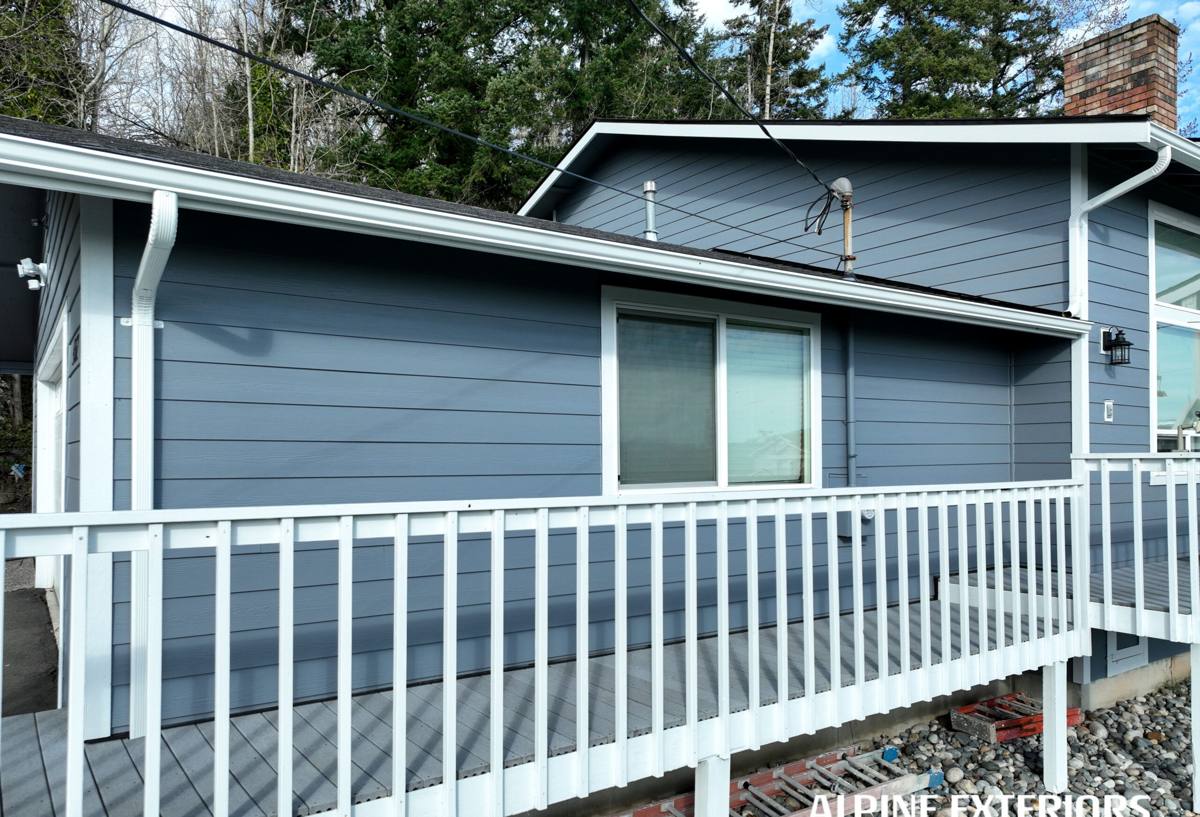
Why Blaine's Weather Is Hard on Roofs
Salt Air and Metal Fatigue
Homes close to the water deal with airborne salt that settles on roofing metal — flashing, fasteners, vents, and any exposed hardware. Over time, salt exposure speeds up corrosion on lower-grade or mismatched metals. It doesn't ruin a roof overnight, but it shortens the life of the small metal components that keep water out at seams, valleys, and penetrations. Those are usually the first things to fail, long before the shingle field itself gives out.
Wind-Driven Rain Off the Water
Rain in Blaine doesn't always fall straight down. Storms coming off the Strait of Georgia and Boundary Bay can push rain sideways with real force, driving water up under shingle edges, around chimney flashing, and into any gap that wouldn't leak in a calm rain. A repair that would hold up fine in a sheltered inland yard can fail here if it isn't sealed and lapped correctly for wind-driven moisture.
A Long, Damp Moss Season
Whatcom County's wet season stretches long, and shaded, north-facing, or tree-covered roof sections in Blaine often stay damp for weeks at a time. That's exactly the environment moss and algae need to take hold. Moss doesn't just look bad — it holds moisture against the roof surface, works its way under shingle tabs, and can lift edges enough to let water in underneath.
Common Roof Repair Calls We Get in Blaine
Most repair calls in this area fall into a handful of recurring categories. Knowing the pattern helps us diagnose faster and helps homeowners understand what they're likely looking at.
| Issue | Likely Cause | What the Repair Involves |
|---|---|---|
| Leak around chimney or skylight | Corroded or improperly lapped flashing | Remove and replace flashing, re-seal with proper underlayment integration |
| Curling or lifted shingle edges | Moss growth or wind-driven rain intrusion | Remove affected shingles, clean substrate, replace with matched material |
| Rusting nails or fasteners | Salt air corrosion on lower-grade metal | Replace with corrosion-resistant fasteners, reseal penetrations |
| Stains on interior ceiling | Slow leak, often at a valley or penetration | Trace leak path, repair source, check decking for hidden damage |
| Granule loss / bare patches | Age combined with sustained wind and rain exposure | Assess remaining shingle life, patch or recommend broader repair |
What Goes Into a Correct Roof Repair
A repair that actually holds up in Blaine's conditions is more than caulk and a patch. We treat every repair as a small construction project with the same standards as a full roof, just scoped to the affected area. That means:
- Removing enough surrounding material to see the real extent of damage, not just the visible symptom
- Checking the decking underneath for soft spots or rot before closing anything back up
- Replacing flashing rather than just re-sealing it, when the metal shows corrosion or gaps
- Using underlayment and shingle materials that match the existing roof's type and weight as closely as possible
- Sealing and lapping every layer so wind-driven rain sheds correctly, not just rain falling straight down
- Confirming attic ventilation isn't contributing to condensation that mimics a roof leak
Skipping any of these steps is how a "repaired" roof ends up leaking again in the next storm. It's also the most common reason we get called out to redo work that was patched quickly by someone unfamiliar with how this coastline behaves.
Our Repair Process
We keep the process straightforward so homeowners know what to expect at each stage.
- Inspection. We look at the roof from the ground, on the roof surface where it's safe to walk, and from the attic side when accessible, to find the actual source of a leak or damage — not just the spot where water showed up inside.
- Diagnosis and explanation. We walk the homeowner through what we found, in plain terms, including whether the issue is isolated or a sign of broader wear.
- Written estimate. Before any work starts, you get a clear scope and price so there are no surprises.
- Repair. We do the work to the standard described above — proper removal, inspection of the decking, correct flashing and materials, and correct sealing for wind-driven rain.
- Cleanup and follow-up. We clear debris and old material from the site, and we're available afterward if you have questions or notice anything during the next hard rain.
Repair or Replace? How We Help You Decide
Not every damaged roof needs a repair, and not every leak means the roof is done. We give an honest read on which situation you're in, based on factors like these:
| Factor | Leans Toward Repair | Leans Toward Replacement |
|---|---|---|
| Roof age | Well within expected service life | Near or past expected service life for the material |
| Damage extent | Isolated to one area or component | Spread across multiple sections or recurring in different spots |
| Underlying decking | Solid, no rot found | Soft spots or rot found in more than one area |
| Leak history | First occurrence or clearly isolated cause | Repeated leaks in different locations over time |
| Cost of repair vs. roof value | Repair cost is a small fraction of replacement cost | Repair cost starts approaching a significant share of replacement cost |
When a roof is genuinely repairable, we'll say so and do the repair. When the numbers or the condition point toward replacement being the more honest long-term answer, we'll tell you that too, along with why.
Materials and Methods for Coastal Repairs
What we use for a repair in Blaine isn't always identical to what we'd use on an inland Bellingham roof, because the exposure is different. On homes close to the water, we pay particular attention to the corrosion resistance of any exposed metal — flashing, fasteners, and vent components — since standard-grade hardware breaks down faster in salt air. That's a matter of our own installation standard, not a knock on any particular brand; it's simply about choosing the right-grade material for the environment the roof is actually in. For shingle repairs, we match the existing roof's type and, as closely as possible, its color and weight, so the repaired section performs the same as the rest of the roof rather than becoming a weak point. Where moss has been a repeat problem, we address the underlying cause — shade, poor airflow, or debris buildup — rather than just clearing the moss and leaving the conditions that grew it in place.
Roof Maintenance Checklist for Blaine Homeowners
Between repairs, a few habits go a long way toward avoiding emergency calls in this climate:
- Clean gutters and downspouts at least twice a year, more often if you're under trees
- Check for moss growth on shaded or north-facing sections each fall and spring
- Look at flashing around chimneys, skylights, and vents after any major windstorm
- Trim back branches that overhang the roof to reduce shade, debris, and physical wear
- Watch for ceiling stains or musty attic smells, both early signs of a slow leak
- Have the roof looked at professionally if it's approaching the upper end of its expected lifespan, even without visible problems
Why a Crew That Already Works in Blaine Matters
Roofing know-how doesn't fully transfer from one microclimate to another. A crew that mostly works drier, more sheltered areas can still do competent work, but they may not default to the corrosion-resistant hardware or the wind-driven-rain detailing that a coastal Whatcom County roof actually needs. We work in Blaine often enough to know which parts of a roof tend to fail first here, what Whatcom County permitting and inspection expectations look like, and how to give a straight answer about whether a repair will actually hold through the next winter storm season. That local familiarity means fewer surprises, a faster and more accurate diagnosis, and a repair built for the conditions your roof actually faces rather than a generic one.
If you're dealing with a leak, damaged shingles, or a roof that's due for a closer look, we're glad to come out and give you a straightforward, no-pressure estimate. There's no cost and no obligation — just an honest assessment of what your roof needs. Use the form below to get in touch.