 Bellingham Roofing
 Why Windows in York Take a Beating
York sits close enough to Bellingham Bay that salt-laden air is a constant, quiet factor in how building materials age. Combine that with Whatcom County's driving rain — the kind that comes in sideways off the water rather than straight down — and a long, damp moss season that can stretch from early fall well into spring, and you have a climate that's genuinely hard on windows. Metal hardware corrodes faster near the water. Wood sash and trim stay wet longer than they would in a drier climate, which accelerates rot at joints and sills. And older glazing compounds and weatherstripping simply weren't built to handle this many wet-dry cycles year after year.
A lot of homes in York still have windows that are original to the house, or replacements from decades ago that were never upgraded for how much moisture this area actually sees. That's not a criticism of those homes — it's just what happens over time in a marine climate. The result is windows that still look serviceable from the curb but are quietly losing the fight against water, drafts, and wood decay behind the trim.
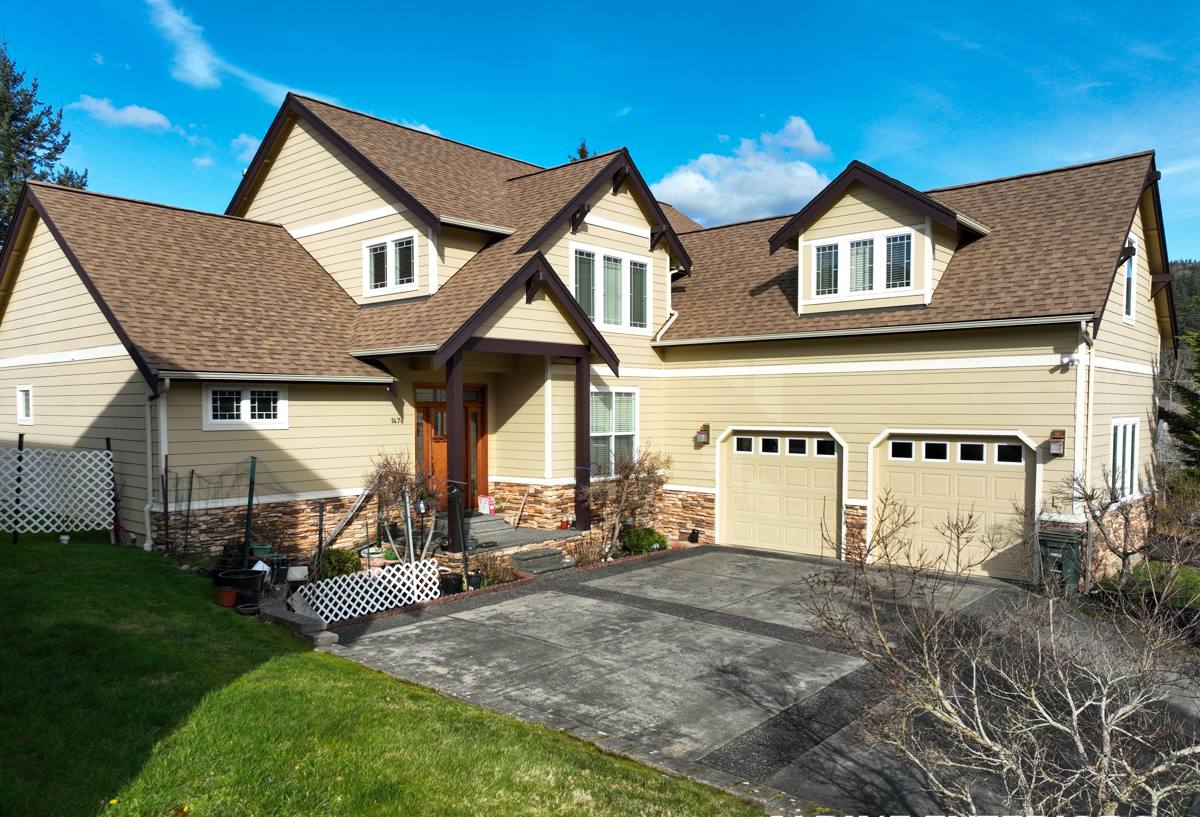
Signs a York Home Needs Window Replacement
Most homeowners don't replace windows because one day they wake up and decide to. It's usually a slow accumulation of small annoyances that finally add up. Here's what we look for, and what you can check yourself before calling anyone:
- Drafts you can feel with your hand near the frame, even with the window fully latched
- Fogging or a cloudy haze between panes — a sign the seal on a double-pane unit has failed
- Soft, spongy, or visibly swollen wood at the sash corners or sill
- Windows that stick, won't stay open, or won't lock properly anymore
- Visible gaps or daylight around the frame when viewed from outside
- Heating bills creeping up with no other obvious explanation
- Exterior paint or finish that fails again within a year or two of repainting
- Moss or dark algae staining building up on sills, trim, or the wall just below the window
Any one of these alone might just mean a repair. Several of them together, especially on windows over 20 years old, usually means it's time to talk about replacement.
What a Correct Window Replacement Job Actually Involves
Window replacement gets treated like a simple swap — old unit out, new unit in — but the parts that actually determine whether the job holds up happen before and around the window itself, not just in the window.
Removal and Opening Inspection
Once the old window is out, we check the framing underneath for water damage or rot before anything new goes in. This is the step that gets skipped by crews trying to move fast, and it's the one that matters most in a climate like this. If there's hidden damage from years of moisture intrusion, sealing a new window over it doesn't fix anything — it just hides the problem for a while longer.
Flashing and Weatherproofing
Caulk is not a weatherproofing strategy on its own. Proper flashing — installed in the right order, lapped correctly so water sheds outward and downward — is what actually keeps wind-driven rain out of the wall assembly. This is especially important on the sides of a house that take the brunt of storms coming off the water.
Insulation and Air Sealing
The gap between the new window frame and the rough opening needs to be filled correctly, typically with low-expansion foam or backer rod rather than packed solid or left with only caulk at the surface. Done right, this is what actually stops the drafts homeowners feel, not just the glass itself.
Interior and Exterior Finish Work
Trim, caulk lines, and paint are the last step, and they matter more than they seem to. A window that's structurally sound but finished sloppily will look wrong and often perform worse, since gaps in the finish work are entry points for water over time.
Choosing the Right Window for This Climate
Material choice matters more here than in a drier inland climate, simply because whatever you install is going to spend a lot of its life wet or damp. There's no single "best" option for every home — it depends on the house, the budget, and how much upkeep you want to take on.
| Frame Material | Moisture Resistance | Maintenance | Best Fit |
|---|---|---|---|
| Vinyl | Very good — won't rot, minimal corrosion risk | Low — occasional cleaning | Most homes prioritizing low upkeep and value |
| Fiberglass | Excellent — very stable in wet/dry cycling | Low | Homes wanting a longer-term, low-movement frame |
| Wood-clad | Good on the exterior clad side, but interior wood core still needs care | Higher — finish and seals need periodic attention | Homes prioritizing a traditional wood interior look |
Our default recommendation for most York homes leans toward vinyl or fiberglass, simply because they hold up with the least amount of ongoing maintenance in a salt-air, high-rain environment. Wood-clad windows can still be the right call for homes where matching an existing architectural style matters, but we're upfront that they come with more long-term maintenance responsibility.
Our Window Replacement Process
Estimate and Measurement Visit
We come out, look at your existing windows and the condition of the surrounding trim and siding, and measure each opening. This is also when we talk through material and style options and answer honest questions about tradeoffs — no pressure, no pushy sales tactics.
Install Day
Old windows come out one at a time so your home isn't left wide open to the weather. We inspect each opening as we go, flash and seal properly, set and insulate the new window, and finish the trim before moving to the next one.
Final Walkthrough
Before we consider the job done, we walk every window with you — checking operation, locks, and finish work — and clean up the site so you're not left dealing with old materials or debris.
What Affects the Cost of Window Replacement
We won't quote a number here, because it genuinely depends on your home, but these are the main factors that move the price up or down on most jobs:
| Factor | How It Affects Cost |
|---|---|
| Frame material | Vinyl generally costs less than fiberglass or wood-clad units |
| Window size and style | Larger openings, custom shapes, or bay/bow configurations cost more than standard sizes |
| Number of windows | Full-house replacements typically bring a lower per-window cost than one-off replacements |
| Condition of the opening | Hidden rot or framing repair adds labor and material beyond the window itself |
| Trim and finish complexity | Matching existing trim profiles or historic detailing takes more time than standard trim |
The only way to get an accurate number is a walkthrough of your actual home, which is why we keep the initial estimate free and don't charge for it.
Why a Local York Crew Makes a Difference
There's a real advantage to hiring a crew that already works in this neighborhood regularly rather than one that treats it as just another stop on a route. We know the general age and construction patterns common to York's housing stock, which means fewer surprises once we open up an existing window frame. We're also close enough to come back quickly if you notice anything after the install — an adjustment, a question about how a lock operates, whatever it is — instead of waiting on a crew that has to schedule a special trip from farther away.
Being local also means our reputation in this community is on the line with every job, not just the one in front of us. That's a different incentive than a contractor passing through Whatcom County on a one-time basis.
Caring for New Windows Through Moss Season and Beyond
New windows still need a little seasonal attention in this climate to get their full lifespan out of them:
- Clear weep holes and tracks of debris and moss buildup, especially heading into fall
- Check exterior caulk lines once a year for cracking or gaps and touch up as needed
- Keep gutters clear so water isn't sheeting down over window heads
- Trim back vegetation that's shading windows and keeping them damp longer than necessary
- Wipe down sills periodically to keep algae and moss from taking hold
None of this is heavy maintenance — it's the kind of thing that takes twenty minutes a couple times a year and meaningfully extends how long your windows perform well.
If your windows in York are drafty, fogged, sticking, or just past their prime, we're happy to take a look and give you a straight, no-pressure assessment of what's actually going on. Use the form below to request a free estimate, and we'll walk through your options in plain terms.