 Bellingham Roofing
 Window Installation Built for Birchwood's Climate
Birchwood is a quieter, tree-covered stretch of Bellingham, and its housing mix reflects that — older homes on wooded lots sitting alongside newer infill construction, both dealing with the same climate whether the windows in them are forty years old or four. That climate is the reason window installation here isn't quite the same job as it would be somewhere drier and calmer. Salt-tinged marine air off the water works steadily on hardware, fasteners, and weatherstripping. Storms don't just rain down, they drive rain sideways into walls and window openings during the wetter months. And on the shaded, north-facing sides of a lot common around here, a long moss and mildew season holds moisture against sills and trim for most of the year. None of that means a window is a bad investment in Birchwood — it means the installation has to be done with those conditions in mind rather than treated like a generic swap.
This page covers window installation specifically for Birchwood: what the local climate asks of a window and its install, what separates a correct job from one that leaks or fails early, and how we run the work from the first look at your house to the final walkthrough.
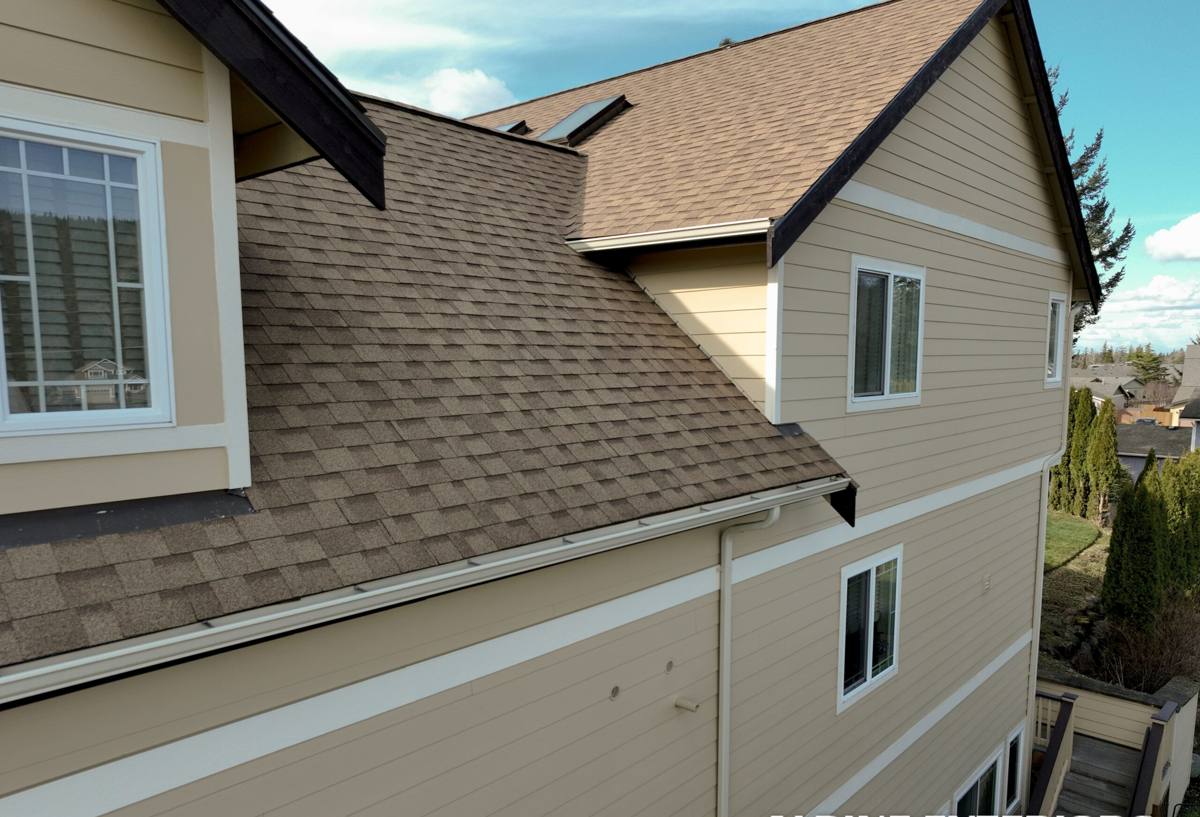
What Birchwood's Weather Actually Demands
Most of what determines whether a window performs for fifteen years or fails in five happens at the edges, not in the middle of the glass. A well-built window unit from a reputable manufacturer is engineered to handle wind and rain on its own — the problems start where that unit meets the wall of the house. In Birchwood specifically, three conditions raise the stakes on that connection:
- Salt-influenced air: speeds up corrosion on lower-grade fasteners, hinges, and flashing metal, which is why we favor corrosion-resistant hardware even where it costs a little more up front.
- Wind-driven rain: pushes water sideways and upward against the window opening rather than letting it run off, which tests flashing and sealant details that would never get stressed in a calmer climate.
- Extended damp and shade: on wooded or north-facing walls, keeps sills and trim wet longer between drying periods, which accelerates wood rot and paint failure if the install doesn't account for drainage.
The Real Failure Point Isn't the Glass
In our experience, it's rare for the window unit itself to be the first thing to fail on a Birchwood job. What fails first is the installation around it — a sill pan that wasn't sloped to drain, house wrap that wasn't lapped correctly over the flashing, a bead of sealant asked to do a job that flashing should have done instead. A mid-grade window installed correctly will consistently outlast a premium window installed in a hurry, because the weak point in this climate is almost always water management at the rough opening, not the manufacturing quality of the glass and frame.
What a Correct Window Installation Involves
Replacing or installing a window sounds simple from the outside — old one out, new one in — but the steps that actually determine long-term performance happen in between, and they're the steps that are easiest to rush.
- Remove the existing window and inspect the rough opening for rot, moisture staining, or framing damage before anything new goes in
- Repair or rebuild any damaged framing rather than installing over it and hoping it holds
- Install a sloped sill pan so any water that gets past the window drains back out, not into the wall
- Flash the opening in the correct shingle-lapped order so water sheds down and out at every layer
- Set the window level, plumb, and square, and shim it so the frame isn't under stress that can crack seals over time
- Insulate the gap between the window frame and the rough opening without overpacking it, which can bow the frame
- Seal and trim the exterior so water is directed away from the opening, not toward it
- Finish and caulk the interior for an airtight seal that also protects against condensation
Skip or rush any one of those steps and the window can look fine for a year or two before a problem shows up — usually as a soft spot in interior trim, a musty smell, or staining on the siding below the window, by which point the damage is already inside the wall.
Choosing a Frame Material for a Birchwood Home
Frame material matters more here than it would in a milder climate, mainly because of how each material handles sustained moisture exposure and salt-influenced air over decades, not just years.
| Frame Material | Moisture & Salt-Air Performance | Maintenance |
|---|---|---|
| Vinyl | Won't rot or corrode; performs well in damp climates | Low — occasional cleaning, no painting |
| Fiberglass | Very stable in temperature and moisture swings; strong long-term option near the coast | Low — can be painted if desired |
| Wood-clad | Good performance if the exterior cladding and flashing are done right; interior wood offers a different look and feel | Moderate — cladding needs periodic inspection at joints |
| Aluminum | Conducts cold and can corrode faster in salt-influenced air without a quality finish | Low, but a weaker fit for this specific climate |
We don't push one material on every homeowner — a wood-clad window can be the right call for a period-appropriate remodel, and vinyl or fiberglass covers the large majority of straightforward replacements well. What we do insist on is glass and hardware rated for the moisture and temperature swings this area actually sees, rather than a bargain unit built for a milder market.
Full-Frame Replacement vs. Insert Replacement
There are two basic approaches to replacing an existing window, and which one makes sense depends on the condition of what's already there. An insert replacement fits a new window into the existing frame, leaving the surrounding trim and siding undisturbed — faster, less disruptive, and less expensive, but only appropriate when the existing frame is dry, square, and structurally sound. A full-frame replacement removes the window down to the rough opening, which costs more and takes longer but is the only honest option when there's rot, water damage, or an opening that's out of square. On Birchwood's older homes especially, we won't recommend an insert replacement over a frame we haven't inspected — doing so can seal moisture damage inside the wall instead of fixing it.
Common Window Problems We Find in Birchwood Homes
The specific issues we run into tend to split along the age of the house. Older homes, particularly those with original wood-frame windows, often show soft or rotted sills, single-pane glass that's cold and drafty, and hardware that's corroded to the point of not locking properly — all made worse by decades of damp shade and salt-influenced air working on materials never designed for a fifty-plus-year service life. Newer homes tend to show a different pattern: failed seals on double-pane units causing fogging between the panes, sealant that's cracked or pulled away from the trim, or flashing that was installed adequately but not to the standard this climate actually requires. In both cases, the fix isn't always "replace the window" — sometimes it's addressing a seal or flashing failure that's letting water in around a window that's otherwise fine.
How Our Process Works
- On-site assessment: we look at the actual condition of your existing windows and openings, not just count how many windows you want replaced.
- Recommendation and quote: we walk through frame material, insert vs. full-frame replacement, and realistic cost ranges based on what we found.
- Measurement and ordering: exact measurements go to the manufacturer, and we set expectations on lead time since most replacement units are built to order.
- Install day: old windows come out, openings get inspected and repaired as needed, and new units go in following the sequence above — sill pan, flashing, window, insulation, seal.
- Cleanup and walkthrough: we clear debris, walk the finished work with you, and confirm every window operates and seals correctly before we call the job done.
Why Hiring a Crew That Already Works Birchwood Matters
A window installer who mostly works drier inland areas, or who installs the same way regardless of location, isn't necessarily doing anything wrong on paper — but generic installation practices leave more room for error in a climate that punishes shortcuts at the flashing and sill. A crew already familiar with Birchwood's mix of older wooded lots and newer builds has seen where water actually finds its way in on homes like yours, knows which frame materials hold up and which struggle here, and isn't guessing at how much extra attention the flashing detail needs on a shaded, north-facing wall. That familiarity shows up less in the sales pitch and more in the parts of the job nobody sees once the trim goes back on.
If you're weighing a window replacement or a new installation for a Birchwood home, we're glad to take a look and give you an honest read on what your windows and openings actually need — no pressure, no obligation, just a straight assessment and a free estimate.