 Bellingham Roofing
 Window Installation Built for Puget's Climate
Puget sits close enough to the water and the tree line that its homes take a specific kind of weather beating — salt-laden air drifting off Bellingham Bay, wind-driven rain that comes in sideways during fall and winter storms, and a long moss season that keeps north-facing walls and window trim damp for months at a time. Windows in this neighborhood don't fail the way they do in drier climates. They fail at the seams, at the sill, and at the flashing, because that's where Puget's weather finds the weak points first.
A window installation done right here has to account for all three of those stressors at once. That's a different job than a generic "measure, remove, install" swap, and it's why we treat Puget window work as its own thing rather than a copy-paste of what we'd do somewhere drier and more sheltered.
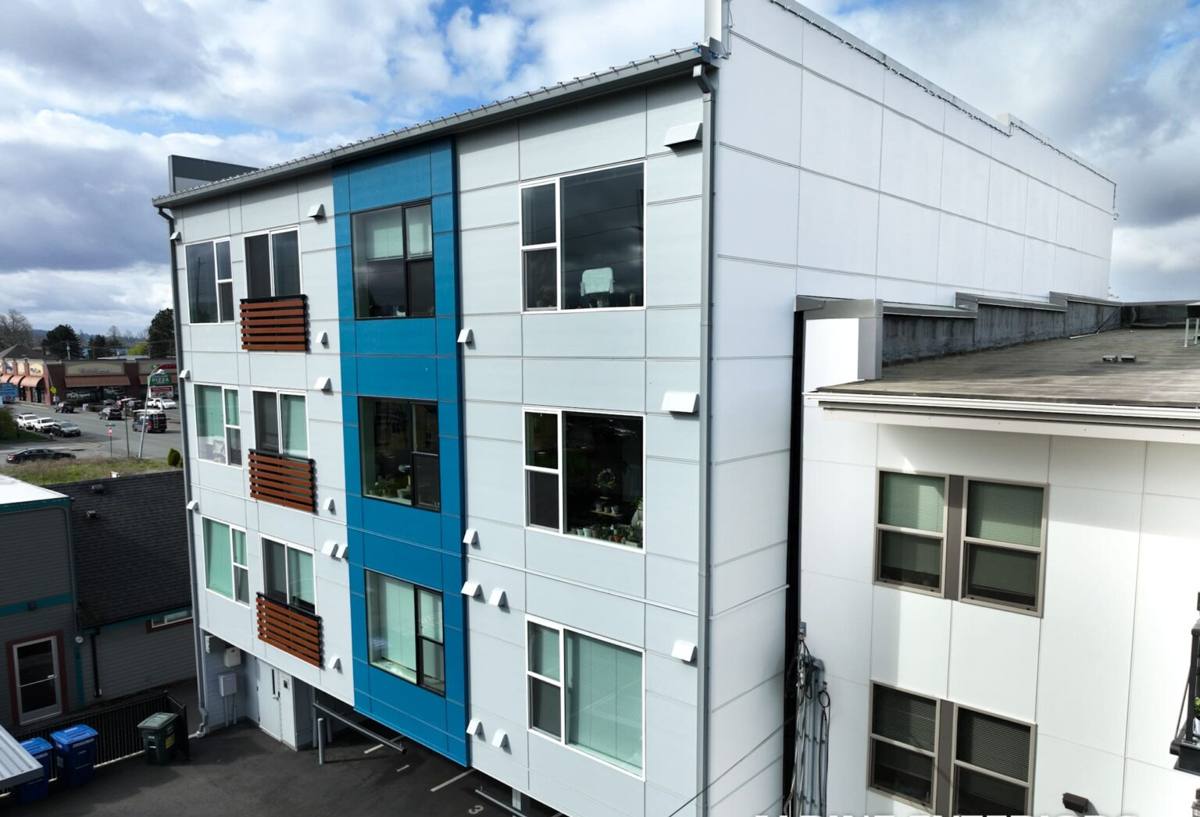
What Bellingham's Coastal Climate Does to Windows Over Time
Salt Air and Corrosion
Homes closer to Bellingham Bay pick up airborne salt that settles on metal hardware, screen frames, and window flashing. Over years, that accelerates corrosion on lower-grade fasteners and hinges, and it can pit unprotected aluminum components. It's not dramatic — it's slow, cumulative wear that shows up as stiff locks, streaking, and hardware that seizes up earlier than it should.
Wind-Driven Rain
Whatcom County storms don't just drop rain straight down — they push it sideways into siding and window openings. A window that's watertight in a light shower can still leak under wind-driven rain if the flashing details or sill pan weren't done correctly. This is the single most common cause of hidden rot we find behind older window installations in this area.
Moss and Shade Moisture
Puget's tree cover keeps a lot of exterior surfaces shaded and damp well into the year. Moss doesn't just grow on roofs — it takes hold on window sills, trim boards, and anywhere moisture sits without enough sun or airflow to dry it out. Left alone, that moisture holds against wood trim and paint long enough to start soft spots and rot at the very areas where a window seals to the wall.
Signs a Puget-Area Home Needs Window Replacement
Because these failures build slowly, most homeowners notice symptoms long before they realize it's the window itself. Common signs worth a closer look:
- Fogging or a permanent haze between double-pane glass (seal failure)
- Soft, spongy, or discolored trim and sill wood around the window frame
- Drafts or a noticeable temperature difference near the window in winter
- Windows that are hard to open, close, or lock, especially after rain
- Visible moss or dark staining collecting at the bottom corners of the frame
- Paint that bubbles or peels specifically around the window, not the wider wall
- Rising heating bills without any other obvious explanation
Any one of these on its own might not mean full replacement. A few of them together, especially soft trim plus fogged glass, usually does.
What a Correct Window Installation Actually Involves
Flashing and Weather Barrier Integration
The window itself is rarely where a leak starts — the transition between the window and the wall is. Correct installation means the flashing tape and weather-resistant barrier are layered so water is always directed outward and downward, never trapped behind the siding. Skipping or rushing this step is the single most common shortcut that causes callbacks in wet coastal climates like ours.
Sill Pans and Drainage
A sill pan at the bottom of the rough opening gives any water that does get past the window a way out instead of a place to pool. In a climate with as much driving rain as Bellingham sees, we treat a sill pan as standard practice, not an upgrade.
Insulation and Air Sealing
Gaps around the window frame need to be sealed with a compatible, expanding low-pressure foam or backer rod and sealant — not just stuffed with fiberglass. Over-filling with rigid foam can actually bow the frame and cause the window to bind. This is a detail that's easy to get wrong and hard to notice until the window starts sticking a year or two later.
Sealants That Actually Hold Up
Not every exterior sealant is rated for constant damp exposure and UV. We use sealants chosen for marine-climate performance and reapply them at the manufacturer's recommended intervals as part of a proper job, since a cheap or mismatched sealant is often the first thing to fail in this weather.
Window Materials and Frame Types — What Holds Up in Puget
Every window material has real trade-offs. None of these are "bad" products — the right choice depends on your home's exposure, budget, and how much upkeep you want to take on.
| Frame Material | Coastal Performance | Maintenance | Typical Trade-Off |
|---|---|---|---|
| Vinyl | Good — won't rot or corrode, handles moisture well | Low | Less rigid over very large spans |
| Fiberglass | Very good — dimensionally stable in temperature swings | Low | Higher upfront cost than vinyl |
| Wood-clad | Good exterior protection if cladding stays intact | Moderate | Interior wood needs periodic attention |
| Aluminum | Fair — can be prone to condensation and corrosion near salt air without a thermal break | Moderate | Better suited to sheltered exposures |
For homes in Puget with meaningful salt air or heavy shade exposure, we generally steer homeowners toward vinyl or fiberglass frames with quality low-E, double- or triple-pane glass, simply because they hold up with the least maintenance in this specific climate. Wood-clad is still a fine choice for homeowners who want that look and are willing to keep up with it.
How Our Installation Process Works
- On-site assessment — we look at existing window condition, trim, flashing, and any signs of moisture damage before quoting anything.
- Measurement and product selection — exact opening measurements, plus a frank conversation about material and glass options that fit your budget and exposure.
- Removal — old windows come out carefully so we can inspect the rough opening for rot or damage that needs addressing before the new window goes in.
- Rough opening repair — any soft or damaged framing gets fixed now, not covered up. This is the step that gets skipped by installers in a hurry, and it's the one that causes problems years later.
- Flashing, sill pan, and installation — window set, shimmed level and plumb, flashed, and sealed per manufacturer specs.
- Insulation and interior/exterior trim — gaps sealed properly, trim reinstalled or replaced to match.
- Final check — operation, seal, and cleanup walkthrough before we call it done.
Why a Crew That Already Works in Puget Makes a Difference
A window installer who works Bellingham and Whatcom County regularly already knows which flashing details hold up against driving rain off the bay, which sealants actually last through a full wet season, and how much shade and moss exposure a given block typically deals with. That's not something you can fully substitute with a generic install checklist — it comes from doing the work in this exact climate, repeatedly, and seeing what fails and what doesn't.
There's also a practical scheduling advantage. A crew based locally can plan around Whatcom County's weather windows, get back out quickly if anything needs a follow-up look, and isn't guessing at permit or code requirements specific to the county.
What Affects the Cost of a Window Installation
We won't quote a number without seeing the job, but the factors that move the price up or down are consistent:
| Factor | Why It Matters |
|---|---|
| Frame material and glass package | Fiberglass and triple-pane cost more than base vinyl and double-pane |
| Rough opening condition | Rot or framing repair adds labor beyond a straightforward swap |
| Full-frame vs. insert replacement | Full-frame replaces trim and flashing too; insert reuses the existing frame |
| Number and size of windows | Larger openings and specialty shapes take more time and material |
| Access and height | Second-story or hard-to-reach windows add setup time |
Most homeowners in this area budget in the low-to-mid thousands per window for a full-frame replacement with quality materials, with insert replacements typically running less. Actual pricing depends entirely on what we find once we're looking at the specific opening.
Ready for a Straight Answer on Your Windows
If your windows are fogging, sticking, or showing soft trim, it's worth having someone look before it turns into a bigger repair. We'll give you a free, no-pressure estimate, tell you honestly whether you need full replacement or just localized repair, and explain exactly what the job would involve for your home. Fill out the form below and we'll get back to you.