 Bellingham Roofing
 Windows Built for Sunnyland's Weather, Not Just the Catalog
Sunnyland is one of Bellingham's older, established neighborhoods, and that means a lot of the housing stock here is carrying original or early-replacement windows that were never designed for what a Whatcom County winter actually does to a house. When we talk about "energy-efficient windows" for a Sunnyland home, we're not just talking about a sticker on the glass. We're talking about a window system that can hold its seal through months of wind-driven rain, resist the salt air drifting off Bellingham Bay, and keep moss and algae from taking hold in the frame joints where moisture likes to sit. A window that's efficient on paper but poorly suited to this climate will underperform within a few years — condensation between panes, soft spots in the sill, drafts that show up right when the first fall storms roll through.
This page is about that specific problem: what energy-efficient windows need to do in Sunnyland's marine climate, what a correct installation actually involves, and how we approach the job when we're on-site in this neighborhood.
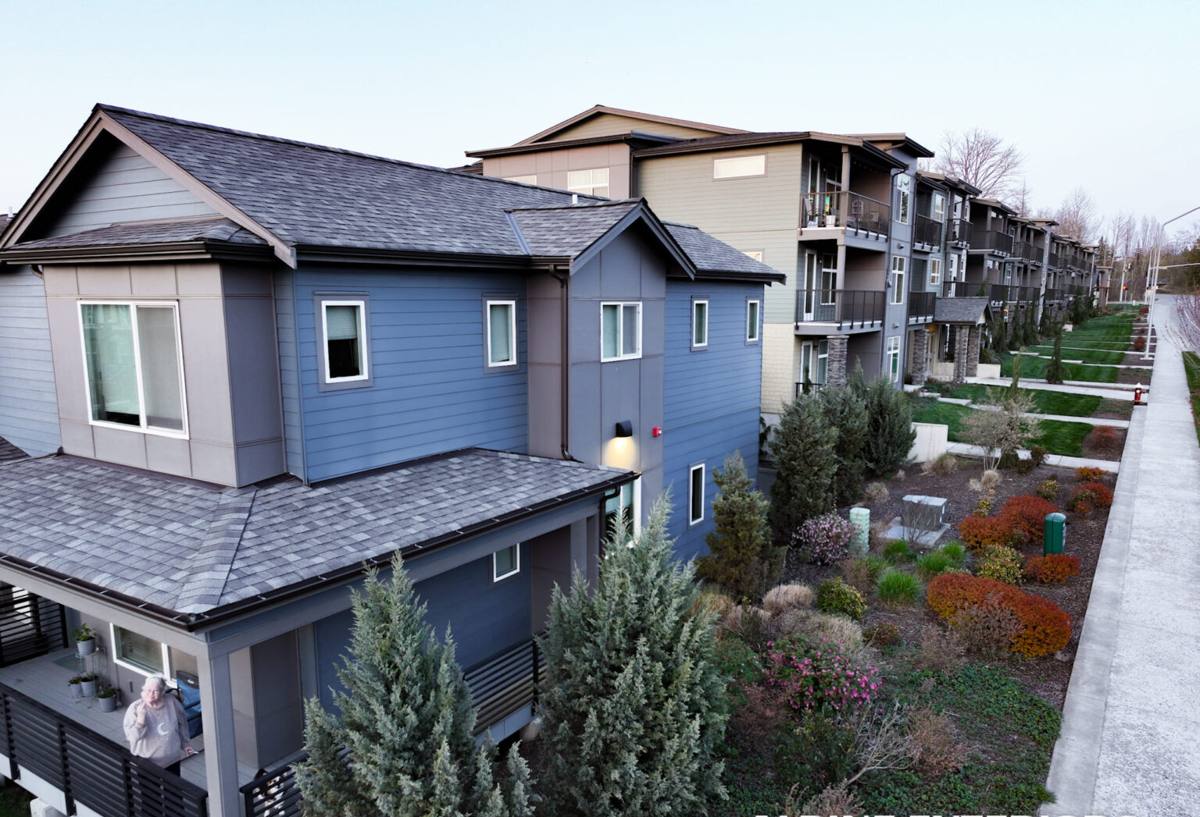
What Bellingham's Climate Does to a Window Over Time
Whatcom County sits right on the water, and Sunnyland is close enough to Bellingham Bay that homes here deal with a specific combination of stresses that inland properties don't see nearly as often.
Salt Air
Salt-laden air corrodes metal hardware, pits aluminum components, and accelerates the breakdown of poor-quality seals over time. It's a slow process, but it's constant, and it's one of the reasons hardware and frame material choice matters more here than it would in a drier, inland climate.
Driving Rain
Bellingham's storms don't just fall straight down — wind-driven rain gets pushed sideways into window assemblies, testing flashing and sealant details that a calmer climate would never stress. A window that's watertight in a showroom can still leak on a house if the flashing and sill pan underneath it weren't installed correctly.
A Long Moss Season
The extended wet season here means moss and algae get a long runway to establish themselves anywhere moisture lingers — window sills, frame corners, and trim that doesn't shed water cleanly. Beyond looking bad, sustained moss growth holds moisture against wood trim and frame components, which shortens their life.
None of this means Sunnyland homes need exotic materials or premium-tier everything. It means the product and installation details that matter for this climate are different from what matters in Phoenix or Denver, and a window package should be chosen with that in mind.
What "Energy-Efficient" Should Actually Mean Here
In a marine climate like ours, the priorities are a little different than in a hot, sunny climate where blocking solar heat is the main job. Bellingham winters are long, damp, and mild rather than brutally cold, so the biggest efficiency wins come from limiting heat loss and controlling condensation, not from maximizing solar heat gain rejection.
- U-factor — measures how much heat the window lets escape. Lower is better for our winters. This is generally the number to prioritize in this climate.
- Low-E coatings — a microscopically thin coating that reflects heat back into the home in winter without noticeably darkening the glass.
- Gas-filled sealed units — argon or krypton fill between panes slows heat transfer compared to plain air.
- Condensation resistance — a rating that matters more here than in dry climates, since our humidity and temperature swings make interior condensation on glass and frames a common complaint.
- Air infiltration rating — how tightly the sash seals against the frame, which directly affects drafts during wind-driven storms.
Look for the NFRC (National Fenestration Rating Council) label on any window you're considering — it lists these numbers plainly so you're not relying on marketing language. ENERGY STAR's Northern Climate Zone criteria, which apply to Whatcom County, are a reasonable baseline to ask about.
Frame Material: What Holds Up in This Climate
Frame material is one of the biggest factors in how a window performs against salt air and sustained moisture over its lifespan. There's no single "best" material for every home — it depends on budget, the home's age and style, and how much upkeep you want to take on.
| Material | Moisture/Salt Air Resistance | Maintenance | Typical Lifespan | Best Fit For |
|---|---|---|---|---|
| Vinyl | Good — won't rot or corrode | Low | 20–30 years | Budget-conscious replacements, rental properties |
| Fiberglass | Very good — dimensionally stable in wet-dry cycling | Low | 30–40+ years | Homeowners wanting long-term durability with less flex than vinyl |
| Wood-Clad | Good on the exterior face; interior wood still needs care | Moderate | 25–35 years | Older or character homes where interior wood trim matters |
| Aluminum | Poor without thermal breaks — prone to corrosion and heat loss | Moderate | Varies widely | Rarely our recommendation for residential Sunnyland retrofits |
We generally steer homeowners away from bare aluminum frames for residential replacement work in this climate — not because it's a bad metal, but because in a wet, salt-influenced environment without a proper thermal break, it corrodes faster and conducts cold straight into the home, working against the whole point of an energy-efficient upgrade.
Signs a Sunnyland Home Is Ready for New Windows
Not every drafty window needs full replacement, but these are the signs we take seriously when we're assessing a home in this neighborhood:
- Condensation or fogging trapped between the panes (a sign the seal has failed)
- Visible moss, algae, or dark staining collecting on the sill or lower frame corners
- Soft or discolored wood trim around the window opening
- Noticeable draft near the window during a windy storm, even with it fully latched
- Difficulty opening, closing, or locking — often a sign the frame has shifted or swollen
- Paint or finish that's peeling specifically around the window, which usually points to moisture getting behind the trim
- A jump in heating bills without any other clear explanation
What a Correct Installation Actually Involves
The window unit itself is maybe half the job. The other half — the part you don't see once it's finished — is what determines whether that window actually performs for the next 20-plus years in this climate.
- Removing the old unit carefully, checking the rough opening and sill for hidden rot or moisture damage before anything new goes in.
- Repairing any compromised framing or sheathing found during removal — installing a new window into a damaged opening just locks the problem in behind fresh trim.
- Installing a proper sill pan and flashing so any water that does reach the opening is directed back out, not into the wall cavity. This step is where a lot of wind-driven-rain leaks originate if it's skipped or done poorly.
- Setting the window level, plumb, and square, with correct shimming so the sash operates smoothly and seals evenly for its full life.
- Sealing and insulating the gap between the frame and the rough opening with the right materials — not just spray foam packed in carelessly, which can bow a frame out of square.
- Finishing the exterior trim and weatherproofing so water sheds cleanly away from the frame rather than pooling where moss and algae can take hold.
Our Process for a Sunnyland Window Project
We keep this straightforward:
1. On-Site Assessment
We look at your current windows, the condition of the framing and trim around them, and how the house is oriented to weather and sun before recommending anything.
2. Honest Product Recommendations
We'll walk you through frame material, glass package, and performance ratings that fit your home, your budget, and this climate — not a one-size-fits-all upsell.
3. Careful Installation
Old units come out, any hidden damage gets addressed, and new windows go in with proper flashing, sealing, and finish work — the details covered above.
4. Walkthrough and Cleanup
We confirm every window operates correctly, answer questions about care and warranty, and leave the site clean.
Why It Matters That We Already Work in Sunnyland
A crew that regularly works in this neighborhood already understands the age range of the housing stock here, the typical rough-opening quirks in older Bellingham homes, and how the local permitting process works for window replacement projects. That familiarity means fewer surprises once a wall is opened up, and it means we're already thinking about salt air, driving rain, and moss season as standard considerations — not an afterthought we have to be reminded about. For homeowners, that translates into a smoother project and a window installation that's actually built for where it's going, not just wherever the crew worked last.
Ready to Talk About Your Windows?
If your Sunnyland home has drafty, foggy, or high-maintenance windows, we're happy to take a look and give you a straightforward, no-pressure assessment. Fill out the form below to request a free estimate, and we'll walk you through what we see and what your options actually are — no upsell, just an honest read on your home.