 Bellingham Roofing
 Windows Built for the Sudden Valley Setting
Sudden Valley sits in a heavily wooded pocket along Lake Whatcom, and that setting changes what a window has to deal with compared to a house closer to downtown Bellingham or out on open ground. Mature tree canopy means less direct sun on many walls, which sounds like a good thing until you realize it also means slower drying after every rain. Combine that with the lake's humidity and Whatcom County's long stretch of wet months, and window frames, sills, and the trim around them are under near-constant low-grade moisture pressure for a big part of the year. A window that's fine on a sun-baked lot in a drier part of the state can struggle here if it wasn't chosen or installed with that in mind.
This page covers custom window replacement specifically for Sudden Valley properties — what the local conditions actually demand, what a correct install looks like, and how our process works when we're out at your place.
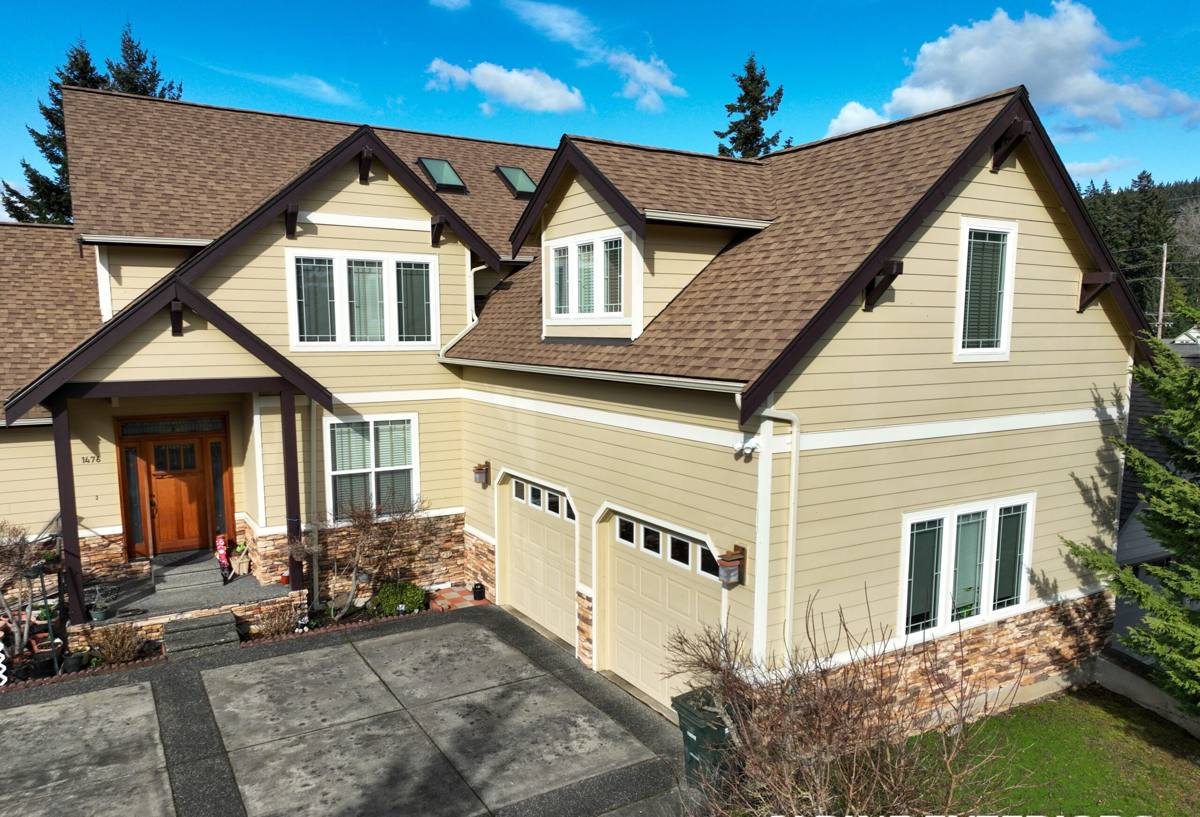
The Local Conditions We're Actually Building Against
It helps to be precise about what's driving window wear here, because Sudden Valley's microclimate isn't identical to the rest of the Bellingham area. Homes right along Bellingham Bay or other saltwater-facing parts of Whatcom County deal with airborne salt that accelerates corrosion on hardware and fasteners. Sudden Valley is inland on freshwater Lake Whatcom, so that particular stress is less of a factor here — we won't tell you otherwise just to pad a sales pitch. What Sudden Valley homes deal with instead is its own combination:
- Shade and slow drying: Tree-covered lots stay damp longer after rain, which keeps wood trim and lower-grade vinyl frames wet for extended stretches.
- Moss and algae growth: The same shade and moisture that's easy on your electric bill in summer is exactly what moss and green algae need to take hold on sills, trim, and nearby siding.
- Driving rain off the lake: Wind off the water can push rain sideways into west- and south-facing window walls, which is a flashing and sealant problem more than a glass problem.
- Long wet season: Whatcom County's fall-through-spring rain means any gap in flashing or caulking has months to work water into a wall assembly before it dries out.
None of this means windows here fail fast — it means the margin for a sloppy install or a bargain-grade product is smaller. Small mistakes that would take years to show up in a drier climate show up in a couple of wet seasons in a lakeside, tree-covered lot.
What a Correct Window Job Actually Involves
Replacing a window is more than swapping the sash. The parts that determine whether a window lasts are mostly invisible once the trim goes back on:
Flashing and Water Management
The flashing tape and pan flashing under and around the window unit are what actually keep water out of the wall — the window itself is secondary to this. On a shaded, damp lot like most of Sudden Valley, we treat this step as non-negotiable, not optional upsell. A window installed without proper sill pan flashing can look fine for a season or two before hidden rot sets in behind the trim.
Air and Moisture Sealing
Low-expansion foam and backer rod at the rough opening, sealed correctly on both the interior and exterior side, control both drafts and condensation. Get this wrong and you get cold spots that fog glass and, over time, feed mold growth at the frame edges — a common complaint in older Sudden Valley homes with original single-pane or early dual-pane units.
Glass Package
Dual-pane, low-E glass with argon fill is the baseline we'd recommend for this area — it cuts heat loss and reduces interior condensation on cold, damp mornings, which is a real issue lakeside where humidity runs higher than in-town. Triple-pane is worth discussing for north- or west-facing rooms that stay cold and shaded most of the day.
Frame Material
Frame choice matters more here than in a dry climate because the frame is what sits closest to standing moisture on the sill. Here's how the common options stack up for a shaded, damp lot like Sudden Valley:
| Material | Moisture Behavior | Maintenance | Typical Lifespan |
|---|---|---|---|
| Vinyl | Won't rot; can warp under sustained heat/cold cycling if low-grade | Low — occasional cleaning | 20–30 years, quality-dependent |
| Fiberglass | Excellent — stable in wet/dry cycling, doesn't absorb moisture | Low | 30–40+ years |
| Wood-clad | Good if cladding and flashing detail are correct; vulnerable at seams if not | Higher — exterior cladding still needs occasional inspection | 20–30+ years with upkeep |
| Aluminum | Poor thermal performance; prone to interior condensation in our climate | Low | Varies — we don't recommend for this climate |
We steer most Sudden Valley homeowners toward vinyl or fiberglass for the specific reason that both handle sustained damp shade without the seam vulnerabilities wood-clad units can develop if the cladding detail isn't done right. Wood-clad is still a good product when installed correctly — it's a matter of matching the maintenance commitment to the shaded, slow-drying lot it's going on.
Problems We Commonly Find in Sudden Valley Homes
A lot of the original construction and older window replacements in this area are now decades old, and the shaded lake setting tends to bring certain issues forward faster than they'd show up elsewhere:
- Fogged or failed dual-pane seals — the seal between panes breaks down and moisture gets trapped between the glass, showing as permanent haze.
- Soft or discolored wood sills and trim from years of slow-drying moisture exposure.
- Moss and algae staining on sills and adjacent siding that signals a spot staying wetter than it should.
- Drafts and cold spots around frames from foam or caulk that's shrunk, cracked, or was never installed correctly the first time.
- Condensation building up on the inside of glass on cold mornings — often a sign of an aging low-E coating or a poor seal, not just humidity.
Our Process
Every job starts the same way, whether it's one window or a full-house replacement:
- On-site assessment: We walk the exterior and interior of each opening, check for rot, moisture staining, or settling around the rough opening, and note orientation — a west-facing window taking driving rain gets a different flashing conversation than a sheltered one.
- Measurement and product selection: We measure precisely and go over frame material, glass package, and grille or hardware options based on your home's exposure and your budget, not a one-size answer.
- Prep and removal: Old units come out carefully, and we inspect the rough opening for hidden rot or moisture damage before anything new goes in — this is often where a real problem gets caught early.
- Installation: Sill pan flashing, proper shimming, low-expansion foam sealing, and correct interior/exterior sealant — the sequence that actually keeps water out.
- Finish and walkthrough: Trim, interior finish work, and a walkthrough so you know how the new windows operate and what upkeep, if any, they'll need.
What Custom Windows Typically Cost
Every job is different, but these are the main factors that move the price up or down on a Sudden Valley job:
| Factor | Why It Matters |
|---|---|
| Frame material | Fiberglass and wood-clad run higher than standard vinyl; the trade-off is longevity and moisture performance |
| Glass package | Triple-pane and specialty low-E coatings cost more but pay off on shaded, north-facing rooms |
| Opening condition | Rot or framing damage found during removal adds repair work beyond the window itself |
| Number and size of openings | Larger or custom-shaped windows and full-house jobs have different labor and material needs than a single swap |
| Access | Upper-story or hard-to-reach openings on sloped lakeside lots can add setup time |
We give a straightforward, itemized quote after the on-site assessment — no inflated "estimate" that changes once we're standing at your door.
Why a Crew That Already Works in Sudden Valley Matters
Sudden Valley is a distinct community within Whatcom County, and a crew that's worked here before already knows the practical realities: what typical original construction and past window upgrades look like, how tree cover and lot grading affect drainage around foundations and lower windows, and how to work efficiently on the sloped, wooded lots common in the area. That familiarity means fewer surprises during removal and a more accurate quote up front, rather than change orders once the old windows are out.
Simple Maintenance Checklist for Sudden Valley Windows
New or old, a little seasonal attention keeps windows performing and catches problems while they're still small:
- Wipe down sills and clear debris after fall leaf drop, before winter rains settle in.
- Check for moss or green staining on sills and trim each spring — treat it early rather than letting it hold moisture against wood or frame seams.
- Look for condensation between panes, which signals a failed seal, not just normal humidity.
- Test that weatherstripping still seals snugly — gaps let in drafts and moisture alike.
- Re-caulk exterior trim joints if you see cracking or separation, especially on rain-exposed walls.
Get a Free, No-Pressure Estimate
If your Sudden Valley home has windows that are drafty, fogged, showing rot, or just original to a build from decades ago, we're happy to take a look and give you a straight assessment — what's actually wrong, what your real options are, and what it would cost to fix it right. Use the form below to request a free estimate.