 Bellingham Roofing
 Storm Damage Roof Repair for Silver Beach Homes
Silver Beach sits close enough to Bellingham Bay that its roofs take a different kind of beating than homes further inland. Salt-laden wind off the water, driving rain that comes in sideways during a real Whatcom County blow, and a moss season that runs longer than most homeowners expect all combine to wear roofs down faster than the manufacturer's warranty tables assume. When a windstorm lifts shingles, drops a limb, or drives rain up under flashing, you need a repair that accounts for all of that, not just a patch that gets you through until the next storm.
This page covers what storm damage repair actually looks like for a Silver Beach roof, what we check for, and how our process works from the first call to the final walk-through.
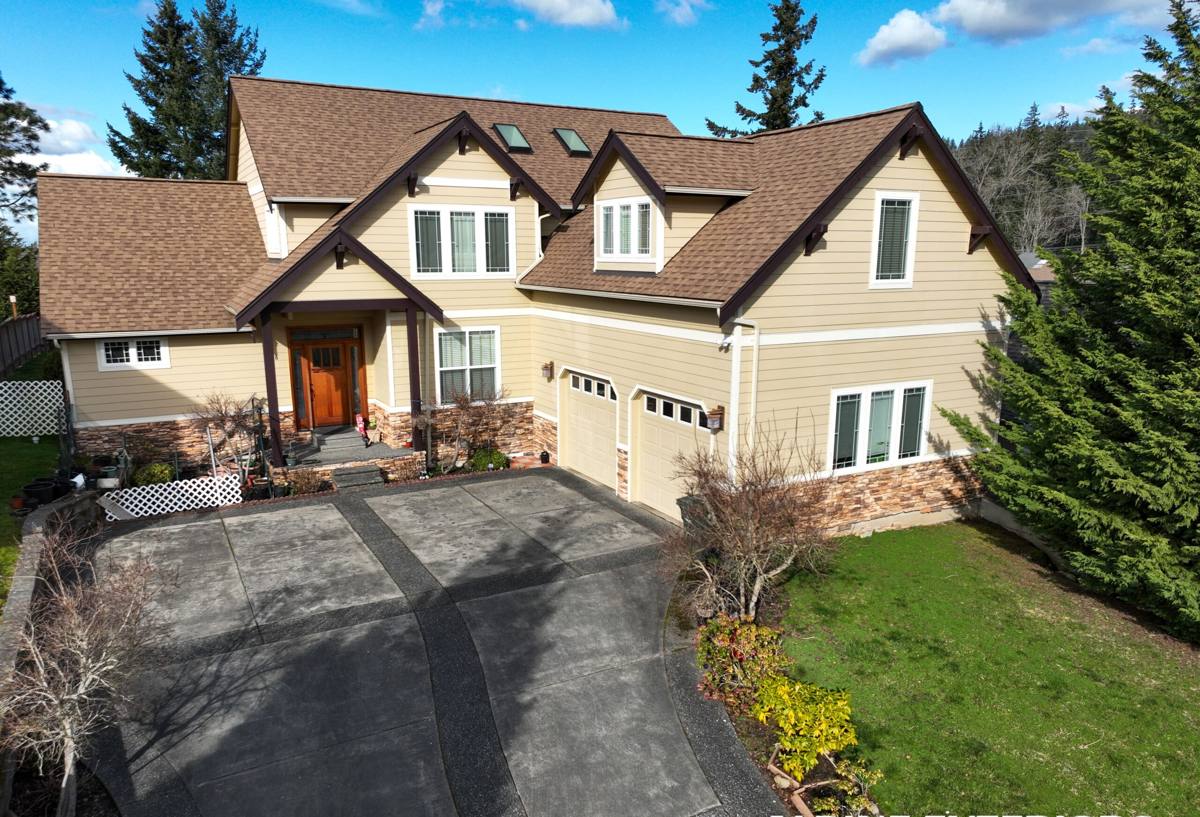
Why Silver Beach Roofs Take Storm Damage Differently
Salt Air and Wind Exposure
Homes closer to Bellingham Bay get more direct wind loading during winter storms, and the salt content in that air accelerates corrosion on exposed metal — nail heads, flashing edges, gutter fasteners, and vent stacks. A storm that just knocks a few shingles loose on a drier, more sheltered lot can do more damage here because the wind has fewer obstructions to slow it down before it hits the roof plane.
Driving Rain and Wind-Driven Water Intrusion
Straight-down rain rarely causes trouble on a roof in good condition. The problem is rain pushed sideways by wind, which finds its way under shingle tabs, around chimney flashing, and through nail holes that were fine under normal conditions. After a storm, water intrusion often shows up somewhere other than where the damage actually happened, because it travels along the roof deck or down a rafter before it drips into the living space.
Moss and Organic Growth
Bellingham's long wet season keeps roofs damp for months at a stretch, which is exactly what moss needs to take hold. Moss doesn't cause storm damage by itself, but it makes storm damage worse and harder to spot — it holds moisture against the shingle surface, lifts tabs as it grows, and can hide cracked or displaced shingles from a quick visual check. A storm-damaged roof with an existing moss problem needs both addressed, or the repair won't hold.
What Counts as Storm Damage
Not every problem a homeowner notices after a storm is actually storm-related, and not every storm-related problem is obvious from the ground. Here's what we look for on a Silver Beach storm call:
- Missing, torn, or creased shingles, especially on the windward slope
- Lifted or separated shingle tabs that haven't fully detached yet
- Damaged or displaced flashing around chimneys, vents, and roof-to-wall transitions
- Fastener backout, where nails have worked loose from wind flex
- Gutter and downspout damage from wind or falling debris
- Deck damage underneath the shingle layer, usually only found once we're up there
- Water staining on interior ceilings or attic framing that points to a breach
- Fallen or hanging branches that have already broken material or are at risk of doing so
Our Storm Damage Repair Process
1. Fast Response and Temporary Protection
If a storm has left your roof open to the weather, the first priority is stopping further water intrusion, not scheduling the full repair. That usually means a tarp or temporary seal over the affected area, done safely and correctly so it actually holds through the next round of wind and rain rather than tearing loose in a day.
2. Full Roof Inspection, Not Just the Obvious Spot
Storm damage rarely stays contained to the one area a homeowner can see. We walk the whole roof, not just the section that's visibly damaged, because wind that tore off a few shingles in one spot often loosened fasteners or lifted tabs elsewhere that haven't failed yet. We also check attic space where accessible, since water can travel before it shows itself as a stain.
3. Honest Scope: Repair vs. Replace
Most storm damage is repairable — a section of shingles, a flashing detail, a small area of deck. We'll tell you plainly when a repair makes sense versus when the roof's overall age or condition means a patch is a short-term fix on a roof that's due for replacement anyway. That's a judgment call we make based on what we find, not a default upsell.
4. Matching Materials and Proper Technique
A storm repair that doesn't match the existing shingle color, profile, and exposure sticks out and can also perform differently than the surrounding roof. We source matching material where possible and install it to the same fastening pattern and flashing detail as the original roof, not a shortcut version.
5. Insurance Documentation
If you're filing a claim, we document the damage with photos and a written scope before and after the repair, in a format that's usable for your adjuster. We don't handle the claim for you, but we make sure the paperwork reflects what actually happened to your roof.
Repair vs. Replace: What Drives the Decision
| Factor | Leans Toward Repair | Leans Toward Replacement |
|---|---|---|
| Roof age | Under 12-15 years | Nearing or past expected shingle lifespan |
| Extent of damage | Localized to one slope or section | Spread across multiple slopes or widespread fastener failure |
| Underlying deck condition | Solid, dry decking | Soft spots, rot, or repeated past water intrusion |
| Moss and organic buildup | Light, treatable growth | Heavy, long-term growth that's degraded the shingle surface |
| Material availability | Matching shingles still available | Discontinued product, poor color/profile match |
Why a Crew That Already Works Silver Beach Matters
A roofer who knows this specific stretch of Bellingham isn't guessing at how the wind hits your slope or how fast moss comes back on a shaded north side near the water. We've worked enough roofs in this neighborhood to know that a repair here needs to account for salt exposure on fasteners and flashing, not just the shingle itself. That local familiarity also means a faster response — we're not driving across the county to get to you after a storm, and we're not learning the area's exposure patterns for the first time on your roof.
It also matters for follow-up. Storm damage sometimes reveals itself in stages — a repair holds through one storm but a related weak spot shows up in the next. A local crew is one you can actually call back, not one that did a single job and moved on.
What to Check Before You Hire Anyone for Storm Repair
- Ask for a written scope of work, not just a verbal estimate
- Confirm they're licensed and insured in Washington State, and ask to see it
- Be wary of anyone going door-to-door immediately after a storm pushing same-day contracts
- Ask whether they'll match existing materials or substitute something different
- Confirm who handles the insurance documentation and how
- Get a straight answer on repair vs. replace, with the reasoning behind it
What a Silver Beach Homeowner Can Do Between Storms
You don't need to inspect your own roof after every windstorm, but a few habits catch problems early:
- Look at your gutters and downspouts after major storms for granules, debris, or damage
- Check the attic (if accessible) for new water stains after a heavy wind-and-rain event
- Keep an eye on moss buildup, especially on shaded slopes, and treat it before it spreads
- Trim back branches that hang over the roofline before they become storm debris
- Have the roof looked at professionally every few years even without visible damage
Cost Factors for Storm Damage Repair
Every storm repair is different, so we won't quote a number without seeing the roof, but the main factors that drive cost are: how much of the roof is affected, whether the deck itself needs repair underneath the shingles, how accessible the roof is, and whether matching material is readily available. A small, localized repair is a modest job; a repair involving deck replacement or extensive flashing work costs more because of the added labor and material. We'll walk you through the specific factors on your roof before any work starts, and there's no charge for that initial inspection.
If a recent storm has left your Silver Beach roof damaged, or you just want a professional set of eyes on it before the next one hits, we're happy to take a look. The estimate is free, there's no pressure, and you'll get a straight answer about what your roof actually needs — just fill out the form below.