 Bellingham Roofing
 Replacing a Deck on South Hill: What This Neighborhood Actually Needs
South Hill sits above downtown Bellingham, close to Western Washington University, on ground that's shaped differently than the flatter neighborhoods below it — more elevation, more tree cover on the older lots, and more exposure to weather moving in off Bellingham Bay depending on which side of the hill a house sits. For an outdoor deck, that combination of elevation, shade, and coastal moisture adds up to a harder environment than a lot of homeowners realize until their deck starts showing it: soft boards, loosening railings, moss that keeps coming back no matter how often it gets scrubbed off.
A deck replacement on South Hill isn't the same job as a deck replacement in a drier, more sheltered part of Whatcom County. The framing, fasteners, and drainage details underneath the new decking have to account for salt-laden air, wind-driven rain, and a moss season that runs most of the year here. This page covers what that actually means for a South Hill deck, what a correct replacement involves, and how our process works for this specific part of Bellingham.
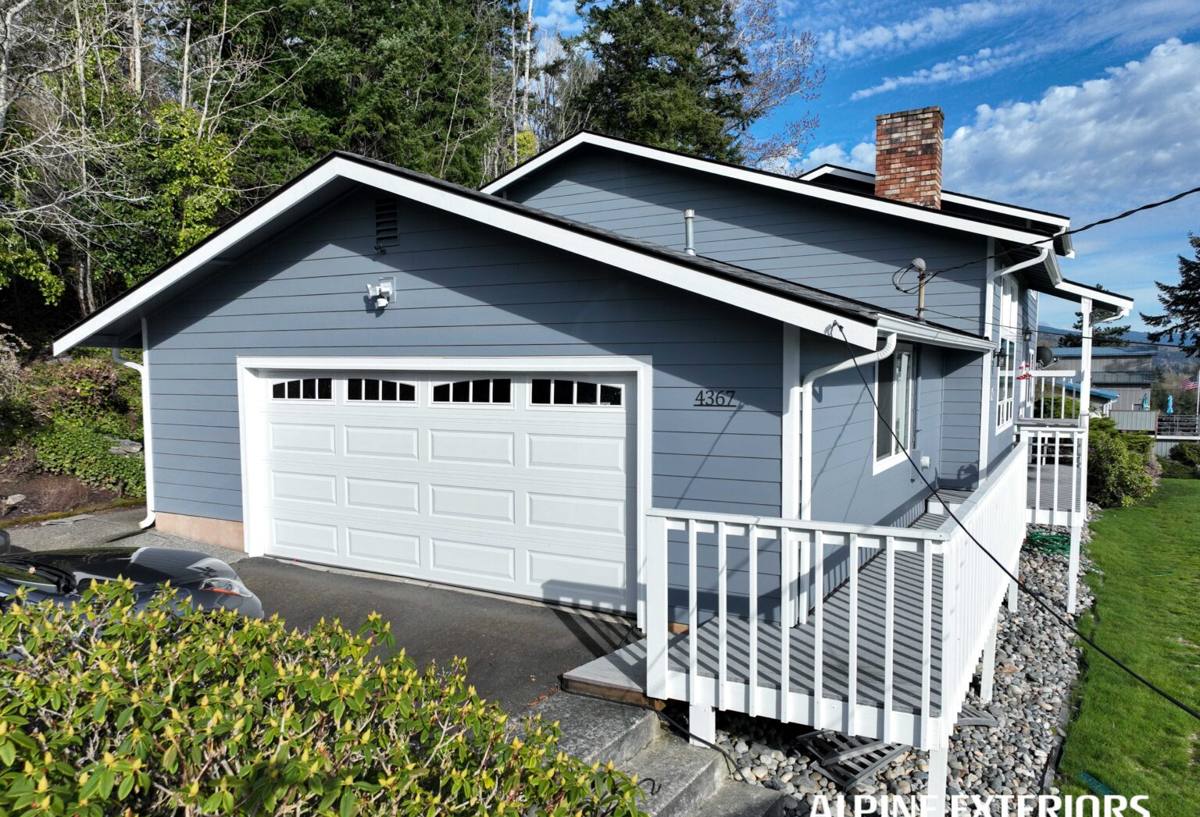
Why South Hill Decks Wear the Way They Do
Elevation and Wind Exposure
Higher ground catches more wind than the sheltered streets down near the waterfront or in the valley floor neighborhoods, and a deck built for calm conditions doesn't always account for that. Wind doesn't just move air across a deck surface — it drives rain sideways, up under railings and into ledger connections, in a way a flatter, more sheltered lot rarely sees to the same degree.
Driving Rain and Ledger Connections
Bellingham gets sustained wet weather for a good stretch of the year, and on a hillside lot that rain often arrives with wind behind it rather than falling straight down. The ledger board — where the deck structure attaches to the house — is one of the most common places that wind-driven moisture finds its way in on an older or poorly flashed deck, and it's usually hidden until the damage is already done.
A Moss Season That Doesn't Really End
Mild temperatures and near-constant dampness give moss a long growing season in Bellingham, and a horizontal deck surface is exactly the kind of spot it takes hold fastest — it holds water longer than a vertical wall and stays damp between rain events. Shaded sections of a deck, and anything facing north, are usually the first places it shows up.
Shade from Mature Trees
A lot of South Hill's older lots have mature trees that shade part or all of a deck through the day. That shade keeps the surface cooler and damper for longer stretches, which is good for the trees and bad for a deck surface that isn't suited to staying wet — it's often the difference between a deck that dries out between storms and one that doesn't.
Signs a Deck Needs Replacing, Not Just Repair
Not every tired-looking deck needs a full tear-off. But on South Hill, deferred maintenance tends to catch up with a deck faster than in drier parts of the county, and a repair on a structure with underlying moisture damage often just delays the same problem. Signs worth taking seriously include:
- Soft or spongy spots in the decking surface, especially near the house or in shaded areas
- Railing posts that wobble or have visibly corroded hardware at the base
- Persistent moss or dark staining that comes back within weeks of cleaning
- Visible gaps, cupping, or splitting in individual boards, particularly on older wood decks
- Any sign of moisture or rot where the deck framing meets the house siding or foundation
- Fasteners that are rusted, popped up, or missing entirely
- A structure that predates current code requirements for ledger attachment and railing spacing
If more than one or two of those apply, a repair is usually just patching a symptom. A replacement lets us address the framing and drainage details underneath, not just the boards on top.
Choosing Decking Material for a South Hill Rebuild
Material choice matters more here than it would on a drier, more sheltered lot, because the gap between a well-suited product and a poorly-suited one shows up faster under sustained shade and moisture. The main options homeowners weigh are pressure-treated or cedar wood, capped composite, and cellular PVC.
| Material | Moisture & Salt-Air Handling | Moss Resistance | Upkeep |
|---|---|---|---|
| Cellular PVC | Excellent — no wood fiber to absorb moisture | Strong, smooth non-porous surface | Occasional washing |
| Capped composite | Strong — cap layer resists moisture and staining | Good on most product lines | Occasional washing |
| Uncapped composite | Moderate — some absorption at exposed fiber | Fair; more prone to buildup over time | Periodic cleaning |
| Cedar | Moderate — natural resistance, but needs sealing | Fair when sealed and maintained | Regular oiling or sealing |
| Pressure-treated wood | Weak against sustained shade and moisture over time | Poor without regular treatment | Regular sealing or staining |
We install all of the above depending on budget and homeowner preference. What we don't do is size the framing or fastener spec the same way regardless of which material sits on top — a shaded, damp South Hill lot calls for more attention to drainage and airflow underneath the decking than a sunny, open one, whatever material is chosen.
What a Correct Deck Replacement Actually Involves
The visible decking surface is what homeowners picture, but on South Hill the framing, fasteners, and drainage underneath are what actually determine how long the new deck lasts. A replacement done right here includes:
- Full tear-off and inspection of the existing framing, ledger, and any structural posts, not just the decking boards
- Correction of any framing found to be soft, undersized, or improperly attached before new decking goes down
- Proper ledger board flashing where the deck ties into the house — the single most common failure point on older decks in this climate
- Stainless steel or coastal-grade corrosion-resistant fasteners throughout, not standard hardware that starts corroding within a few seasons
- Correct board gapping for drainage and material movement, so wind-driven rain and standing moisture can actually drain and dry
- Joist spacing matched to the specific decking product's span rating rather than a generic layout carried over from the old deck
- Railing and post attachment meeting current code requirements, particularly on older decks that predate them
- Grading and ventilation underneath the deck so moisture doesn't sit against the framing in shaded, damp sections
Skip any of those and the new deck can still look good on day one. The shortcuts usually surface a few winters later — a soft joist, a loosening post, or moisture stains tracing back to a ledger that was never flashed correctly.
Permitting and What to Expect
Deck replacement work in Bellingham generally falls under standard building permit requirements once the project involves structural changes, new footings, or work beyond a straight like-for-like surface swap — the specifics depend on the deck's height, size, and attachment to the house. We handle the permitting process as part of the job, including the inspections that come with it, rather than leaving that paperwork for the homeowner to sort out. Most straightforward replacements move from tear-off to finished deck within a matter of days once permitted, weather permitting — Bellingham's wet stretches can push a schedule, and we'll be upfront with you about that rather than promising a date we can't hold to.
How Our Replacement Process Works
We start with a site visit to look at the existing deck's actual condition — framing, ledger connection, drainage and grade underneath, and how much shade and wind exposure the specific spot on your lot gets through the day. That assessment tells us whether the framing can be reused or needs replacing, which affects both cost and timeline. From there we walk through decking material options that fit your budget and how the space gets used.
Once permitted, the sequence is tear-off, framing correction where needed, ledger flashing, then decking, railing, and any stairs or trim. We finish with a walkthrough covering what your specific material actually needs going forward — for most modern decking that's minimal, but it isn't nothing, and we'd rather tell you plainly than let you find out the hard way.
What Your New Deck Still Needs From You
Even a well-built replacement in the right material needs some routine attention in this climate to reach its full lifespan. Worth keeping on a yearly checklist:
- Rinse or wash the deck surface periodically to clear organic buildup before it works into the surface or cap layer
- Keep gaps between boards clear of leaves and debris so water and airflow can move the way the design intends
- Check railing posts and hardware once a year for early corrosion or loosening, especially heading into the wet season
- Trim back overhanging branches that hold moisture against shaded sections of the deck
- Address any soft framing or standing water underneath right away — that's a structural issue, not a cosmetic one
Why It Matters That We Already Work South Hill
A crew that mostly builds decks in drier, more open parts of the county can still do competent work, but a South Hill job has variables that don't come up as often elsewhere in Bellingham — wind-driven rain reaching ledger connections on elevated lots, and shaded, tree-covered sections that stay damp longer than the rest of the deck. Working this neighborhood regularly means we're not guessing at those details on your project. We've seen which decking lines actually hold up against South Hill's specific combination of elevation, shade, and sustained moisture, and which framing and fastener details are worth the extra attention rather than an upsell.
That familiarity also shows up in the smaller judgment calls — how to grade and vent the space under a shaded deck, or being straightforward with you about what your specific lot and old deck's condition actually calls for versus what's just an extra line item.
Get a Straight Answer About Your Deck
Whether your current deck is showing its age, failed an inspection, or you just want an honest read on whether it needs replacing or can still be repaired, we're happy to take a look and lay out the options plainly. Reach out below for a free, no-pressure estimate.