 Bellingham Roofing
 Siding Installation in Silver Beach: Why the Details Matter Here
Homes in Silver Beach take a steady beating from the same forces that shape exterior work across the greater Bellingham area: salt-laden air drifting in off the water, driving rain that comes sideways during winter storms, and a moss season that can stretch for most of the year in the shaded, moisture-heavy pockets of Whatcom County. None of that is unusual for this part of Washington. But it means siding here isn't just a cosmetic layer — it's the single biggest factor in whether a home stays dry, whether paint holds its color, and whether trim and sheathing behind the siding stay sound for the next few decades.
We install siding specifically with that reality in mind. This page focuses on one service, in one area: siding installation for Silver Beach homes, what a correct job looks like, and why we've built our entire installation process — and our product lineup — around what actually holds up here.
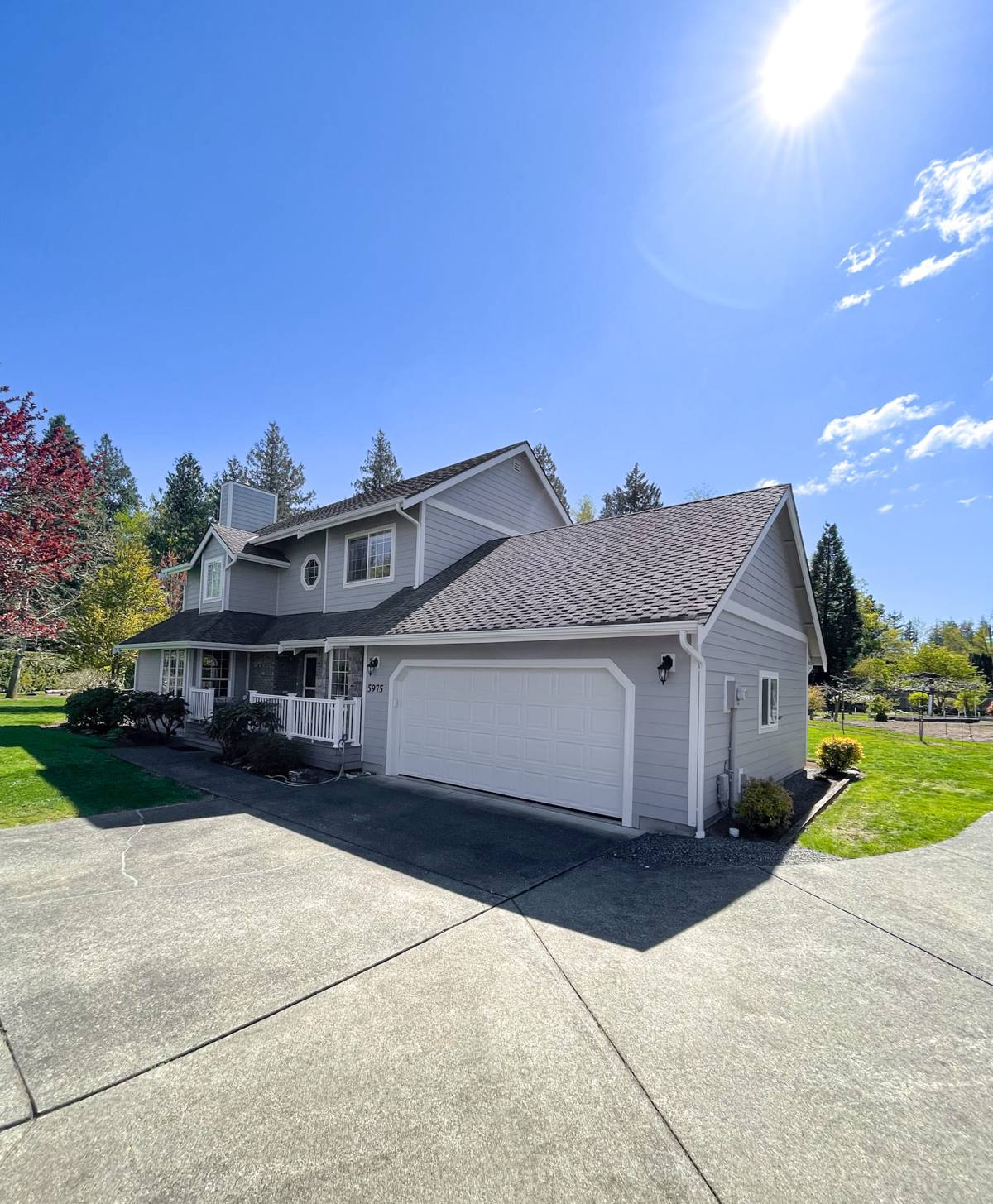
What Silver Beach Homes Need From Their Siding
Three climate stressors do most of the damage to siding in this part of Bellingham:
- Salt air: Airborne salt accelerates corrosion of fasteners, hardware, and any metal flashing that isn't properly protected, and it can degrade lower-grade finishes faster than manufacturers' lab tests suggest.
- Driving rain: Wind-driven rain doesn't just fall straight down — it gets forced sideways and upward under laps, around window trim, and into any gap in the water-resistive barrier. Siding that isn't installed with the right overlaps and flashing details will eventually let water in, even if the material itself is rated for wet climates.
- Extended moss and mildew season: Cool, damp, shaded conditions for much of the year mean organic growth gets a long runway. Siding that holds moisture at the surface — through porous material, poor drainage, or trapped humidity behind the cladding — grows moss and mildew faster and needs more frequent cleaning and repainting.
The takeaway for homeowners: the product matters, but the installation matters just as much. A premium siding material installed with sloppy flashing details will fail in the same places a cheap material would. We treat both halves of that equation as non-negotiable.
Why We Install Only James Hardie Fiber Cement
We get asked regularly why we don't offer vinyl, LP SmartSide, or cedar siding as options. It's a fair question, and the honest answer is that we made a professional call to standardize on one product system rather than sell whatever a homeowner asks for.
Vinyl siding is affordable and low-maintenance in mild climates, but it's a thin, flexible material that can warp in temperature swings, crack in cold snaps, and fade unevenly over time — and it relies almost entirely on the wall assembly behind it to manage moisture, since vinyl itself isn't a structural water barrier. Engineered wood products like LP SmartSide use wood strand cores that are more resistant to moisture than solid wood, but they're still wood-based, meaning any breach in the coating or caulking creates a path for water absorption and swelling — a real risk in a climate with this much sustained dampness. Cedar and primed wood siding look good on day one, but they demand a repainting and recaulking schedule that most homeowners underestimate, especially with the moss and mildew pressure this area sees.
James Hardie fiber cement is a cement-and-cellulose composite that doesn't warp, rot, or support insect damage, and it holds paint and factory finish far longer than wood-based alternatives in wet, salt-influenced air. It's also non-combustible, which matters increasingly for insurance considerations in Washington. That combination — dimensional stability, moisture resistance, and finish longevity — is why it's the only siding system we put on homes.
What We Don't Compromise On
- No mixing material types on a single elevation to save cost — consistent substrate means consistent moisture behavior.
- No skipping manufacturer-specified fastener types or clearances to speed up a job.
- No caulk-and-hope details in place of proper flashing.
The James Hardie Products We Use
James Hardie makes several product lines, and part of doing this job right is matching the right line to the exposure the wall actually faces.
| Product | Best Use | Why It Fits Silver Beach |
|---|---|---|
| HardiePlank lap siding | Most wall areas, traditional lap look | Widest color range in ColorPlus finish, proven track record in wet coastal climates |
| HardiePanel vertical siding | Accent walls, gables, modern facades | Fewer horizontal laps means fewer water entry points on high-exposure walls |
| HardieTrim boards | Corners, window and door trim, fascia | Matches the siding's moisture resistance so trim doesn't become the weak point |
| HZ10 / HZ5 engineered formulas | Selected by climate zone | James Hardie engineers these formulas specifically for regional moisture and freeze-thaw exposure |
We also specify ColorPlus factory finish on the large majority of jobs rather than field-applied paint. Factory-applied finish is baked on under controlled conditions, resists fading and chipping better than site-applied paint, and comes with its own finish warranty — which matters in an area where repainting siding every few years is not something homeowners want to plan around.
What a Correct Siding Installation Involves
The siding itself is only part of the assembly. Here's what we consider mandatory on every installation, regardless of budget:
- Tear-off and substrate inspection: Old siding comes off and the sheathing underneath gets inspected for rot, soft spots, or prior water damage before anything new goes up.
- Water-resistive barrier: A continuous, properly lapped weather barrier goes over the sheathing — this is the layer that actually stops bulk water, not the siding face.
- Flashing at every penetration: Windows, doors, hose bibs, vents, and any other wall penetration get flashed so water sheds outward and down, never inward.
- Correct fastening: Manufacturer-specified fastener type, spacing, and depth — over- or under-driven nails are one of the most common causes of premature siding failure.
- Proper clearances: Siding held to the manufacturer's minimum clearance above grade, roof lines, and decks so it isn't sitting in standing water or trapped moisture.
- Caulking and trim details: Sealed only where the manufacturer specifies — over-caulking can trap moisture just as easily as under-caulking lets it in.
Our Process for a Silver Beach Home
Every project runs through the same sequence, whether it's a single elevation repair or a full re-side:
- On-site assessment: We walk the exterior, check for existing moisture damage, and look at how the home's specific orientation and shading affect its exposure to rain and moss growth.
- Written scope and product selection: We specify which Hardie product and profile fits each elevation, not a one-size answer for the whole house.
- Tear-off and prep: Removal of old material, repair of any damaged sheathing found underneath, and installation of the water-resistive barrier.
- Installation to manufacturer spec: Fastening, flashing, and clearances installed exactly as James Hardie's instructions require — this is also what keeps the manufacturer's warranty intact.
- Final walkthrough: We review the finished job with the homeowner before calling it done.
Signs a Silver Beach Home May Need New Siding
Homeowners in this area often notice these signs before they call:
- Paint or finish peeling, bubbling, or fading unevenly, especially on the sides of the house facing prevailing wind and rain
- Soft or spongy spots when pressing on the siding, which often means moisture has reached the substrate
- Persistent moss or dark streaking that comes back quickly after cleaning
- Visible warping, cracking, or gaps at seams and corners
- Rising heating bills, which can point to a wall assembly that's no longer keeping moisture and air out
Any one of these is worth a look. Caught early, some of these issues are a repair; left alone through another wet season, they tend to become a full replacement.
What Affects the Cost of a Siding Installation
| Factor | Why It Matters |
|---|---|
| Home size and number of stories | More surface area and access complexity (staging, lifts) directly affect labor |
| Condition of existing sheathing | Rot or water damage found during tear-off adds repair scope before new siding goes on |
| Product line and profile | Lap width, panel style, and trim details vary in material cost |
| Finish choice | Factory ColorPlus finish costs more upfront than unfinished board but avoids a repainting cycle |
| Detail work | Homes with more windows, dormers, and roof intersections require more flashing and trim labor |
We provide a written, itemized estimate before any work starts, so homeowners can see exactly what's driving the number rather than a single lump-sum figure.
Maintenance Once It's Installed
Fiber cement is low-maintenance compared to wood or vinyl, but "low-maintenance" isn't "no-maintenance" in this climate. A simple annual routine keeps it performing:
- Rinse siding annually to clear salt residue and organic buildup before it takes hold
- Inspect caulking around windows, doors, and trim for cracking or gaps
- Keep gutters clear so overflow doesn't run down the siding face
- Trim back vegetation and landscaping that keeps siding shaded and damp
- Address any soft spots, cracks, or finish failure promptly rather than waiting for the next wet season
Why Hiring a Crew That Already Works This Area Matters
Siding installation isn't a generic process applied the same way everywhere. A crew that regularly works Bellingham and Whatcom County neighborhoods already understands how salt air, prevailing wind direction, and extended damp seasons affect flashing details, fastener choice, and where moss tends to establish first. That local familiarity shows up in decisions a homeowner never sees directly — which elevation gets extra attention, how clearances are handled near grade, where drainage needs reinforcing — but that determine whether the siding is still performing well in fifteen years.
If you're considering new siding for a Silver Beach home, we're happy to take a look and walk you through what your specific home needs. There's no cost and no pressure to move forward — just a straightforward assessment and a written estimate you can use to make the decision on your own timeline. The form below will get that conversation started.