 Bellingham Roofing
 Roofing Built for Silver Beach's Conditions
Silver Beach sits on Bellingham's east side along Lake Whatcom, where mature tree canopy, hillside terrain, and the lake itself create a microclimate that's harder on roofs than a lot of homeowners realize. Add in the salt-laden air that rolls off Bellingham Bay and the driving rain that Whatcom County sees for months at a stretch, and you've got a roof that's under near-constant moisture pressure for most of the year. A new roof installation here isn't just about swapping old shingles for new ones — it's about building a system that can shed water fast, resist moss in the shade, and hold up to wind-driven rain without trapping moisture underneath.
We've worked on homes throughout this neighborhood and the surrounding east Bellingham streets long enough to know which parts of a roof fail first in this environment, and we build every installation to address those weak points from day one rather than patching them later.
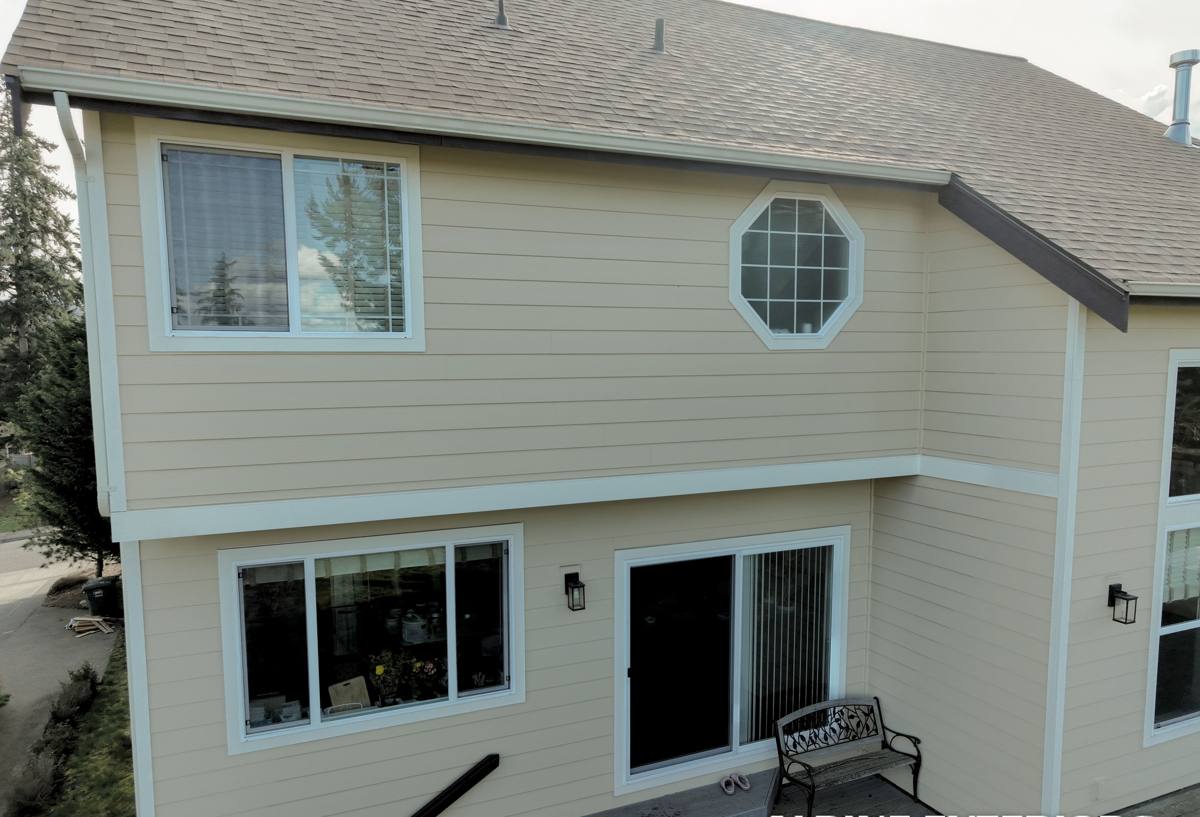
Why Roofs Wear Out Faster Around Silver Beach
Tree Cover and Shade
The tree canopy that makes Silver Beach a nice place to live also means a lot of roofs here get partial shade most of the day. Shaded roof sections stay damp longer after every rain, and that constant dampness is exactly what moss, moss, and algae need to take hold. Once moss gets a foothold under the shingle tabs, it lifts them and lets water underneath — that's how a moss problem turns into a leak.
Salt Air and Driving Rain
Bellingham's proximity to the bay means salt-carrying air moves through the region regularly, accelerating corrosion on exposed metal — flashing, fasteners, vents, and gutters take the brunt of it. Combine that with the driving, wind-pushed rain typical of Whatcom County storms, and water gets forced sideways under shingle edges and around penetrations in ways a calm, straight-down rain never would. A roof designed for a drier climate simply isn't built for that kind of lateral water pressure.
Lake Humidity and Long Wet Seasons
Being close to Lake Whatcom adds ambient humidity that keeps roof surfaces from drying out fully between storms during much of the fall, winter, and spring. That extended dampness is what we mean by a "long moss season" — it's not a few weeks, it's most of the year for shaded or north-facing roof sections.
Signs a Silver Beach Roof Needs Replacing, Not Patching
- Moss or dark algae streaking that comes back within a season or two of cleaning
- Shingles that are cupping, curling at the edges, or losing granules in the gutters
- Soft or spongy spots underfoot, especially in shaded valleys or north-facing slopes
- Daylight visible through the roof deck from inside the attic
- Repeated flashing leaks around chimneys, skylights, or roof-wall intersections
- Roof is past 20-25 years old (asphalt) and repairs are becoming frequent
- Visible sagging along the ridge line or roof edges
- Attic insulation that's damp, matted, or shows water staining
If you're seeing two or more of these, a patch job is usually a short-term fix. A full tear-off and replacement addresses the whole system instead of chasing individual leaks year after year.
What a Correct New Roof Installation Actually Involves
A new roof is only as good as what's underneath the shingles. In a climate like ours, cutting corners on the parts you can't see is where most premature failures start.
Full Tear-Off and Deck Inspection
We remove the old roofing down to the deck rather than layering over it. That lets us actually see the plywood or OSB underneath and replace any sections that have gone soft from years of trapped moisture — a step that's impossible to do properly with an overlay.
Ice-and-Water Barrier at Vulnerable Areas
Eaves, valleys, and areas around penetrations get a self-adhering waterproof membrane before anything else goes down. These are the spots where wind-driven rain and ice damming are most likely to force water backward under the shingles.
Synthetic Underlayment Across the Field
The rest of the deck gets a synthetic underlayment as a secondary water barrier — a backstop in case wind ever drives rain up under a shingle edge, which happens more often here than in drier parts of the state.
Balanced Attic Ventilation
Intake at the eaves and exhaust at the ridge, sized to move air through the attic space. Poor ventilation traps humid air against the underside of the deck, which is one of the biggest hidden causes of premature rot and mold in this climate — and it's invisible from the ground.
Flashing at Every Penetration
New step flashing, counter-flashing, and pipe boots at every chimney, skylight, vent, and wall intersection. Old flashing is a common leak source we replace as a matter of course, not an upsell.
Field Shingles or Chosen Material
Installed to manufacturer spec with correct nailing pattern and exposure — details that matter more in high-wind, high-rain conditions than they do in milder climates.
Material Options for This Climate
| Material | How It Handles Our Climate | Typical Lifespan | Maintenance Considerations |
|---|---|---|---|
| Architectural asphalt shingle | Good wind and rain performance when properly installed; algae-resistant granule options help in shaded areas | 25-30 years | Periodic moss/debris removal in shaded sections |
| Standing seam metal | Excellent water shedding and wind resistance; sheds moss more easily due to smooth surface | 40-50+ years | Low, but higher upfront cost |
| Synthetic/composite shingle | Strong moisture resistance, mimics wood or slate look without the moisture retention issues | 30-50 years | Low to moderate |
| Cedar shake | Traditional look but retains moisture in shaded, humid conditions unless meticulously maintained | 20-30 years with upkeep | High — requires regular treatment and inspection |
We install a range of these depending on the home's style, budget, and how much shade the roof sits under. For heavily shaded Silver Beach roofs, we're honest that materials which shed moisture quickly and resist moss growth tend to hold up better long-term than materials that need frequent maintenance to stay ahead of the damp.
Our Installation Process
- On-site assessment — we walk the roof and attic, check deck condition, ventilation, and existing trouble spots specific to your property's shade and exposure.
- Written estimate — a clear scope covering materials, tear-off, deck repair allowance, flashing, and ventilation work, with no vague line items.
- Material selection — we walk through options based on your budget, the home's shade exposure, and how the roof will perform over time in this climate.
- Scheduling around weather — we plan installation windows with Whatcom County's rain patterns in mind rather than rushing a tear-off ahead of an incoming storm.
- Tear-off and deck repair — old roofing removed, deck inspected board by board, and any compromised sections replaced.
- Waterproofing and underlayment — ice-and-water barrier at vulnerable areas, synthetic underlayment across the field.
- Ventilation and flashing installation — intake and exhaust balanced, new flashing at every penetration.
- Final installation and cleanup — shingles or panels installed to spec, site cleaned, magnetic sweep for stray fasteners, and a final walkthrough with you.
Moss Prevention Built Into the Roof, Not Added Later
Because moss is a near year-round concern for shaded Silver Beach roofs, we build prevention into the installation itself rather than treating it as an afterthought. That means algae-resistant shingle options where appropriate, careful attention to keeping valleys and low-slope sections clear of standing debris, and correct ventilation so the deck underneath dries out between rain events instead of staying damp. Homeowners can help by keeping overhanging branches trimmed back and gutters clear, but the roof system itself should be doing most of the work.
What Affects the Cost of a New Roof in Silver Beach
| Factor | Why It Matters Here |
|---|---|
| Roof size and pitch | Steeper hillside lots common in the area can affect labor and access |
| Amount of deck repair needed | Shaded, moss-prone roofs more often have hidden deck damage discovered at tear-off |
| Material choice | Asphalt, metal, and synthetic options span a wide cost range and lifespan tradeoff |
| Ventilation upgrades | Older homes often need added intake/exhaust vents to meet current standards |
| Number of penetrations | Chimneys, skylights, and multiple roof planes each add flashing work |
| Tree canopy and access | Dense tree cover can add time for debris management and safe staging |
We give a firm, itemized estimate after walking your specific roof — broad ranges without seeing the property don't account for how much deck repair or ventilation work a given home actually needs.
Why Local Experience Matters for This Neighborhood
A crew that's worked roofs around Silver Beach and the rest of Bellingham already knows which shaded slopes hold moisture longest, how far up a hillside driveway a material delivery truck can realistically get, and what ventilation upgrades older homes in this area typically need. That local knowledge shows up in fewer surprises during tear-off and a roof that's built for the specific way this neighborhood's shade, elevation, and lake-driven humidity behave — not a generic install pulled from a manual written for a drier climate.
We also stand behind our work with clear warranty terms on both materials and labor, so you know exactly what's covered if an issue comes up down the road.
Ready to Talk About Your Roof?
If your roof is showing moss that keeps coming back, curling shingles, or you're just past the point where patching makes sense, we're happy to take a look. We offer free, no-pressure estimates for Silver Beach homeowners — walk the roof with us, get a straight answer on condition and options, and decide from there. Use the form below to get started.