 Bellingham Roofing
 Decks Built for Sehome's Particular Conditions
Sehome sits close enough to Bellingham Bay and the surrounding waterways that homes here deal with a specific combination of weather: salt-tinged air, wind-driven rain that comes in sideways more often than straight down, and a moss season that can stretch from October well into spring. A deck built with the same specs you'd use in a dry inland climate will show its age fast here — soft spots in the decking, rusted fasteners, slick green boards, and rot working in from ledger boards and post bases that never quite dry out. A deck built for Whatcom County's marine climate is a different job, and it starts with different choices in materials, fasteners, and drainage detail.
We build and repair decks throughout Bellingham, and Sehome's mix of older homes on sloped lots and newer infill construction means we see a wide range of existing deck conditions and framing challenges in this neighborhood specifically. That local pattern-recognition matters when you're deciding what to build and how to build it correctly the first time.
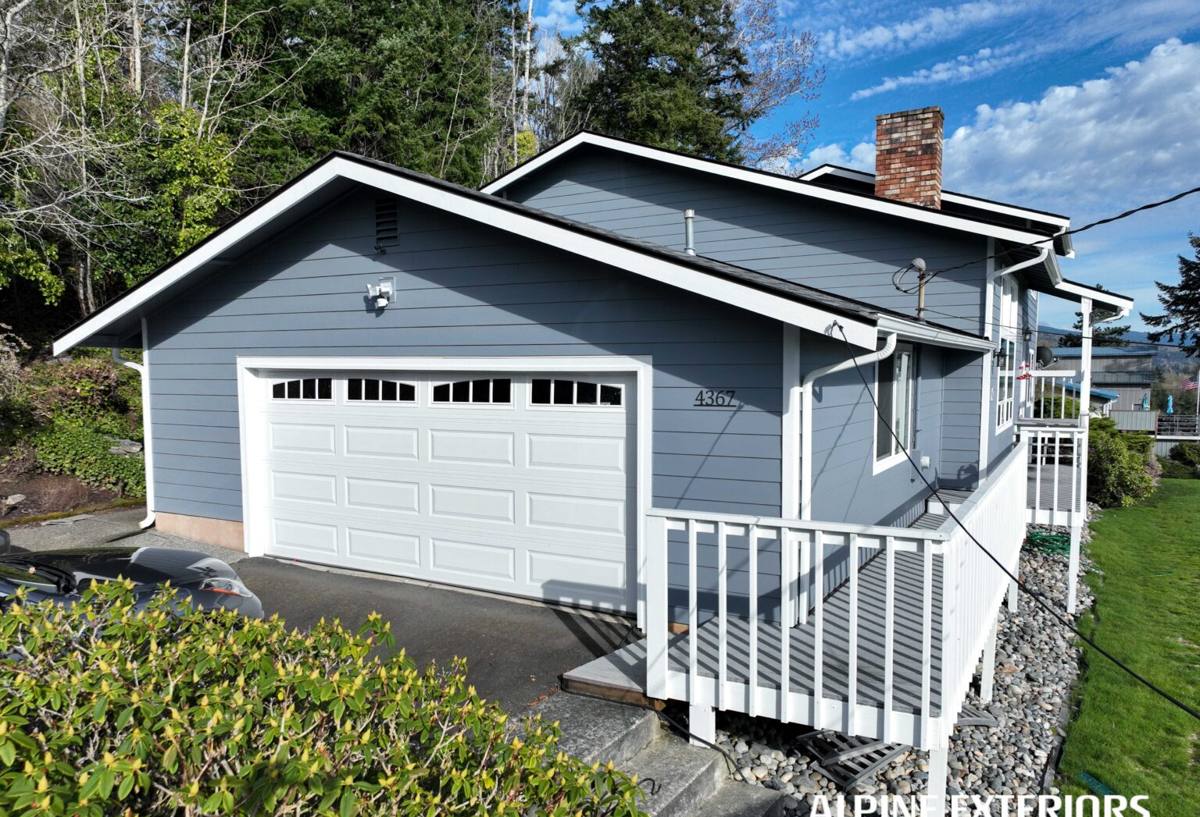
What Bellingham's Climate Actually Does to a Deck
Salt Air and Metal Fasteners
Proximity to the bay means airborne salt finds its way onto exposed wood and metal, even a mile or two inland. Standard electro-galvanized screws and joist hardware corrode faster in this environment than they would further from the water. Over a few years, corroding fasteners can streak the decking, weaken connections, and eventually fail structurally at the worst possible time — under load. Correct fastener selection isn't a cosmetic upgrade here; it's a structural one.
Driving Rain and Water Intrusion
Bellingham's rain doesn't just fall — a good share of it arrives at an angle, driven by wind off the water. That means water finds its way into places a calmer climate wouldn't test: ledger board connections, the gaps between decking boards, stair stringers, and any spot where end grain is exposed. A deck that isn't detailed for driving rain will trap moisture in exactly the places you can't see it happening until the damage is already done.
Moss, Algae, and a Long Wet Season
Whatcom County's moss season is long, and Sehome's mature tree cover in many spots means extra shade and extra debris on top of the general dampness. Moss and algae aren't just a slip hazard — they hold moisture against the decking surface, which accelerates rot in wood products and can degrade the surface layer of some composite decking over time if it's not cleaned. Deck design that ignores sun exposure, airflow, and drainage is setting the homeowner up for a maintenance headache from year one.
What a Correctly Built Deck Includes
A deck that's going to hold up in this environment isn't about any single fancy product — it's about getting a series of ordinary details right, consistently, throughout the structure.
- Ledger board flashing that actually sheds water away from the house rim joist, not just a bead of caulk behind the board
- Stainless steel or high-grade coated structural screws and joist hangers rated for coastal/marine exposure
- Post bases that hold posts off the concrete or ground, preventing standing water contact with end grain
- Proper board spacing for drainage and airflow underneath the decking
- Footings sized and set to the actual soil and frost conditions on the lot, not a generic minimum
- Stair and railing hardware matched to the same corrosion-resistance standard as the rest of the structure
- A drainage plan for the ground underneath the deck, not just the deck surface itself
Skipping any one of these doesn't usually cause an obvious problem in year one. It shows up in year five or six, as soft decking, a wobbly rail post, or a ledger connection that's been quietly rotting behind the siding.
Decking Material Choices for This Climate
There's no single "best" decking material for every Sehome home — it depends on budget, how much upkeep the homeowner wants to do, and the specific exposure of the deck (full sun, deep shade, close to grade, elevated, etc.). Here's how the common options actually compare in a wet, salt-air climate like ours.
| Material | Moisture & Moss Behavior | Maintenance | Typical Lifespan Here |
|---|---|---|---|
| Pressure-treated wood | Prone to moss/algae growth if not cleaned; needs sealing to resist water intake | Annual cleaning, periodic sealing/staining | 15–20 years with upkeep |
| Cedar | Naturally rot-resistant but still needs finish maintenance in constant damp | Regular sealing to hold color and resist moisture | 20+ years with consistent care |
| Composite decking | Resists rot well; can still grow surface algae in shaded, damp spots | Periodic washing; no sealing/staining needed | 25–30+ years, varies by product warranty |
| PVC decking | Fully resists moisture absorption; least susceptible to rot | Occasional washing | 25–30+ years, varies by product warranty |
We'll talk through these trade-offs honestly based on your specific lot — a heavily shaded deck under mature trees has different needs than one in full sun near the water, even a few blocks apart in Sehome.
Framing and Foundation Considerations on Sehome Lots
Sehome's terrain includes a fair number of sloped and uneven lots, along with a mix of older homes where the original deck or porch framing may not meet current structural standards. Before we build anything, we look at how the deck will actually be supported: soil conditions, the slope from the house to grade, and whether existing framing (on a repair or rebuild) is sound enough to build on or needs to come out entirely. Attaching a new deck to an old, undersized ledger board is one of the more common shortcuts that causes failures down the road, and it's not something we'll do just to save a step.
On sloped lots, we also plan drainage so runoff is directed away from the house foundation rather than pooling under the deck — a detail that matters more in a climate that gets as much rainfall as ours does.
Our Process for a Sehome Deck Project
- On-site assessment — we look at your existing deck or the build site, note sun/shade exposure, drainage patterns, and any structural issues.
- Material and design conversation — honest trade-offs on decking material, railing style, and layout based on your budget and how the deck will be used.
- Written estimate — clear scope, materials, and cost so there are no surprises mid-project.
- Permitting — we handle the permit process where required, so the deck is built to current code, not just to what "looks fine."
- Construction — framing, flashing, and fastening done to the marine-climate standard described above, not the minimum spec.
- Final walkthrough — we go over the finished deck with you, including any maintenance recommendations specific to the material you chose.
Maintenance That Actually Matters Here
Every deck in Bellingham benefits from a yearly look, but a few things matter more in Sehome's specific conditions than they would in a drier climate:
- Clear moss and debris from between boards before it holds moisture through the winter
- Check fastener heads and joist hardware periodically for early signs of corrosion, especially on older decks with standard (non-marine-grade) hardware
- Keep gutters and downspouts near the deck clear, since concentrated runoff onto or under a deck accelerates wear
- Reseal wood decking on the schedule appropriate to the product — skipping a cycle in a wet year does more damage here than it would somewhere drier
- Watch for soft spots near the ledger board and post bases, which are the first places rot typically shows up
Why a Crew That Already Works Sehome Matters
Building codes, typical soil conditions, and the practical realities of Bellingham's weather aren't things you learn from a manual — they're things you learn from building and repairing decks in this exact area, season after season. A crew that already works in Sehome knows which construction eras in the neighborhood tend to have undersized ledger connections, how the local drainage patterns behave on sloped lots, and which material choices actually hold up through a Whatcom County winter versus which ones just look good on a sunny install day. That local experience shows up in fewer callbacks and a deck that's still solid a decade in, not just at the final walkthrough.
If you're planning a new deck or need an honest look at one that's showing its age, we're glad to come take a look. Fill out the form below for a free, no-pressure estimate — we'll walk the site, answer your questions directly, and give you a clear picture of what the job actually involves before you decide anything.