 Bellingham Roofing
 Roof Replacement in the York Neighborhood
Homes in York sit close enough to the water and to Bellingham's tree canopy that roofs here take a specific kind of beating: salt-laden air off Bellingham Bay, wind-driven rain that finds its way under poorly lapped flashing, and long stretches of shade and moisture that turn into moss season almost every year. A roof replacement in this part of town isn't just a tear-off and reshingle job done the same way you'd do it in a drier inland neighborhood. It has to account for how York's older housing stock, mature trees, and coastal exposure actually wear a roof down over time.
We work on roofs throughout Whatcom County, and York is one of the neighborhoods where we see the same handful of problems repeat: moss working its way under shingle tabs, ventilation that was never sized for this climate, and valleys or step flashing that were installed correctly enough to pass but not correctly enough to last twenty years. A proper replacement here means solving those problems permanently, not just putting a new layer of material over the same underlying issues.
What Bellingham's Climate Does to a York Roof
Salt Air and Metal Fatigue
Proximity to the bay means airborne salt settles on roofing surfaces and accelerates corrosion on exposed metal — nails, flashing, vents, and gutter hardware. Standard electro-galvanized fasteners and trim can start showing rust streaks and pinholing years before they would inland. This is a material selection issue as much as an installation issue, and it's one of the first things we plan for on a York job.
Driving Rain and Wind-Driven Water
Storms coming off the water don't just fall straight down — wind pushes rain sideways and up under laps, ridge caps, and flashing that would be fine in a calmer climate. Roofs in York need underlayment and flashing details that assume water will be pushed uphill at some point during the year, not just details that shed water in a straight-down rain.
Moss Season
Whatcom County's wet, mild winters and shaded lots are close to ideal moss-growing conditions. Moss isn't just cosmetic — it holds moisture against the roofing surface, lifts shingle tabs as it grows, and works its way into fastener penetrations. A roof that isn't detailed and maintained with moss in mind will show granule loss and soft spots years earlier than it should.
Signs a York Home Needs a Full Replacement
- Granules collecting in gutters or at downspout outlets in noticeable amounts
- Shingles that are cupping, curling, or cracking, especially on south- and west-facing slopes
- Moss or moss staining that returns within a year or two of cleaning, even after treatment
- Daylight visible through the attic roof deck, or damp insulation after wind-driven storms
- Flashing around chimneys, skylights, or roof-to-wall transitions that's rusted, lifted, or gapped
- A roof approaching or past the manufacturer's expected service life for this climate — often shorter here than the labeled lifespan suggests
- Repeated interior leak repairs in the same general area, which usually points to a failing underlayment system rather than one bad shingle
Any one of these can sometimes be handled with a targeted repair. When several show up together, or when the roof is old enough that repairs are just delaying the inevitable, replacement is the more honest recommendation — and we'll tell you plainly which situation you're in.
What a Correct Replacement Involves Here
Tear-Off and Deck Inspection
We remove the existing roofing down to the deck rather than layering over it. This lets us actually see the plywood or plank sheathing underneath, replace any sections that are soft, delaminated, or water-stained, and confirm the deck is sound before anything new goes on. Covering up a damaged deck is one of the most common shortcuts that leads to problems five or ten years down the road.
Underlayment Built for Wind-Driven Rain
Given how much sideways rain York roofs deal with, we pay particular attention to underlayment coverage and lap direction, plus self-adhered ice-and-water membrane at eaves, valleys, and any low-slope transitions where water is most likely to be pushed uphill by wind.
Flashing Details
Chimneys, skylights, dormers, and roof-to-wall intersections are where most leaks actually start, not in the open field of shingles. We use corrosion-resistant flashing material appropriate for a coastal climate and install it with step flashing and counter-flashing done correctly, not caulked as a substitute for proper technique.
Ventilation Sized for the Climate
Balanced intake and exhaust ventilation keeps the attic dry and temperature-regulated, which matters twice over here: it prevents moisture buildup that feeds mold and rot, and it helps the roofing material itself last through Whatcom County's wet winters and warm summers instead of degrading from the underside.
Moss-Resistant Details
Where the site conditions call for it, we can incorporate zinc or copper strips near the ridge, which release trace metal ions that discourage moss growth as rain washes over them. It's not a substitute for occasional roof cleaning on heavily shaded lots, but it meaningfully slows regrowth.
Material Options for York Homes
| Material | Typical Lifespan Here | Considerations for This Climate |
|---|---|---|
| Architectural asphalt shingles | 20–30 years | Good value; choose algae-resistant (AR) shingles to slow moss and moisture staining |
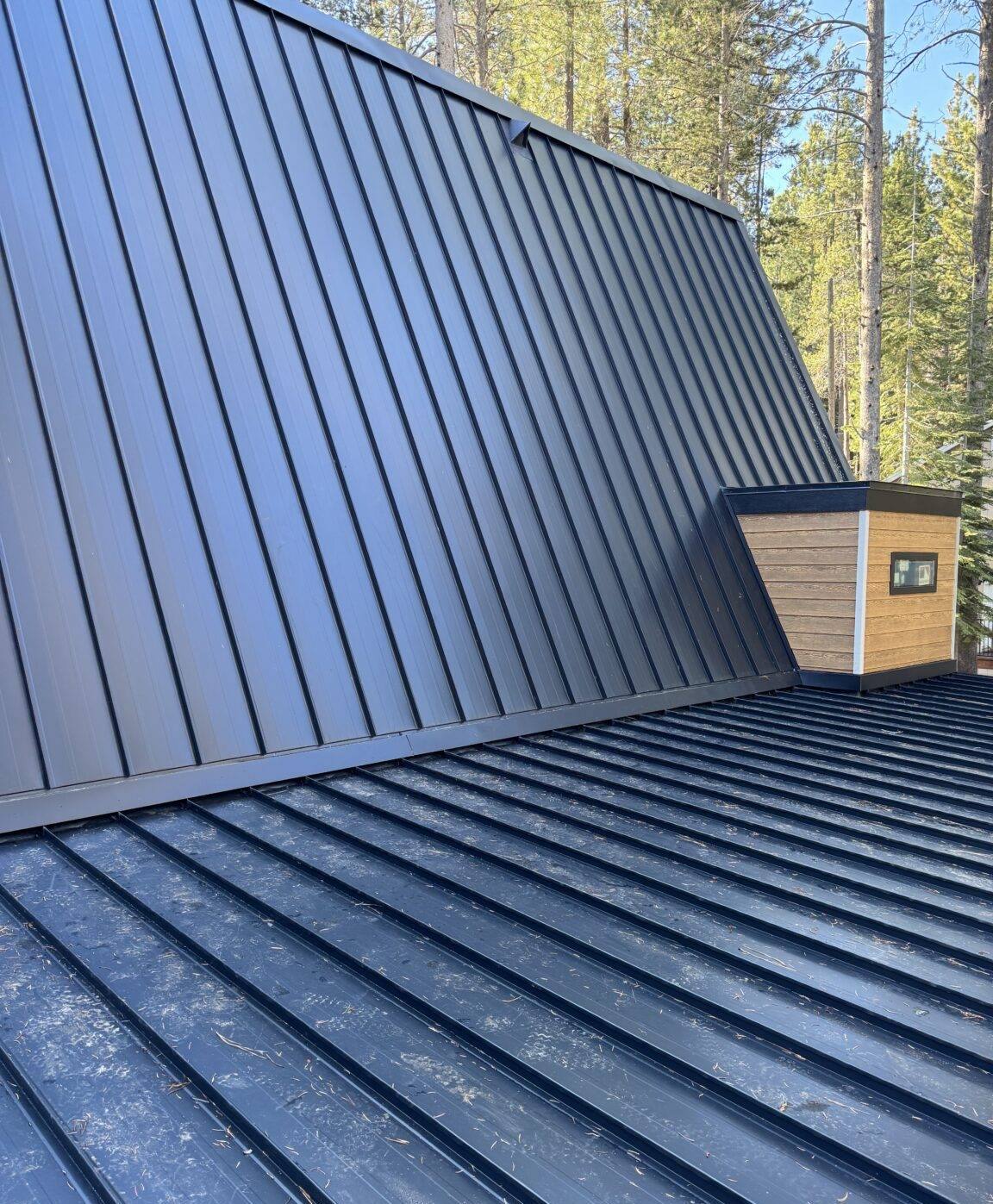
| Standing seam metal | 40–60 years | Handles wind-driven rain well; needs coastal-rated fasteners and coatings to resist salt-air corrosion |
| Synthetic/composite shingles | 30–50 years | Resists moisture absorption and moss better than wood; higher upfront cost |
| Cedar shake | 20–30 years with upkeep | Traditional look but needs regular maintenance in a moss-prone, damp climate |
We don't push one material on every home. The right choice depends on your roof's slope, how much shade the lot gets, your budget, and how much long-term maintenance you're willing to take on. We'll walk through the honest trade-offs for your specific roof rather than defaulting to whatever is easiest to sell.
Cost Factors for a York Roof Replacement
| Factor | Why It Matters |
|---|---|
| Roof size and pitch | Steeper roofs and larger square footage increase material and labor |
| Number of layers to remove | Tear-off of multiple existing layers adds disposal and labor cost |
| Deck condition | Rotten or soft sheathing found during tear-off requires replacement before new roofing goes on |
| Flashing complexity | Chimneys, skylights, dormers, and valleys all add detail work beyond open field shingles |
| Material selected | Asphalt, metal, synthetic, and cedar span a wide cost range |
| Ventilation upgrades | Adding proper intake/exhaust venting where none exists is worth the added cost |
Exact pricing depends on what we find once we're actually on the roof, which is why we start with an in-person inspection rather than a phone estimate. We'll give you a written scope and price before any work begins, and we'll flag anything that changes the number if we find deck damage or hidden issues once tear-off starts.
Why a Crew That Already Works York Matters
A roofer who works regularly in this specific part of Bellingham already knows which details matter most here — how much shade a given block tends to get, how exposed a lot is to wind off the bay, and which flashing and ventilation choices actually hold up rather than just meeting code minimums. That local pattern recognition shows up in fewer callbacks and a roof that's built for the conditions it will actually face, not generic conditions.
It also matters for permitting and inspection. Whatcom County and City of Bellingham requirements are things a local crew handles routinely rather than learning on your project. We pull the right permits, schedule inspections as needed, and make sure the finished roof meets current code — not just what was standard when the last roof went on.
Our Replacement Process
- Inspection and estimate. We walk the roof, check the attic if accessible, and give you a written scope with an honest price — no pressure, no gimmicks.
- Material selection. We discuss the trade-offs between options based on your roof, budget, and how much maintenance you want to take on.
- Scheduling around weather. We plan tear-off and installation around Bellingham's rain patterns to keep your home protected throughout the job.
- Tear-off and deck repair. Old roofing comes off, the deck is inspected, and any damaged sheathing is replaced before new material goes on.
- Underlayment, flashing, and ventilation. Each layer is installed with this climate's wind and moisture in mind, not just the manufacturer's minimum spec.
- Final walkthrough. We review the completed roof with you, explain any maintenance recommendations, and make sure you know what warranty coverage applies.
Maintaining Your New Roof in York's Climate
- Have gutters cleared at least twice a year so water isn't backing up under the eaves
- Keep overhanging branches trimmed back to reduce shade, debris, and moss pressure
- Schedule a moss treatment or gentle cleaning if growth returns, rather than waiting until it's heavy
- Walk the attic after major windstorms to check for new moisture or light intrusion
- Have flashing and penetrations checked periodically, since these fail before the field of the roof does
If you're weighing a repair against a full replacement, or you just want a straight answer on how much life is left in your current roof, we're happy to take a look. Reach out for a free, no-pressure estimate using the form below.