 Bellingham Roofing
 Ferndale's Coastal Climate Is Hard on Roofs
Ferndale sits close enough to the water that salt air is a real factor in how a roof ages, not just an afterthought. Wind off the Strait of Georgia and the surrounding coastal lowlands carries fine salt and moisture that settles on shingles, flashing, and fasteners day after day. Combine that with Whatcom County's long, wet fall-through-spring stretch and you get a roof that's rarely fully dry for months at a time. That constant dampness is exactly what moss, algae, and slow-moving rot need to get established.
None of this means a roof in Ferndale is doomed to fail early. It means the materials, ventilation, and installation details matter more here than they would in a dry inland climate. A roof replacement done right for this area is built around managing moisture and slowing biological growth, not just covering the house with new shingles.
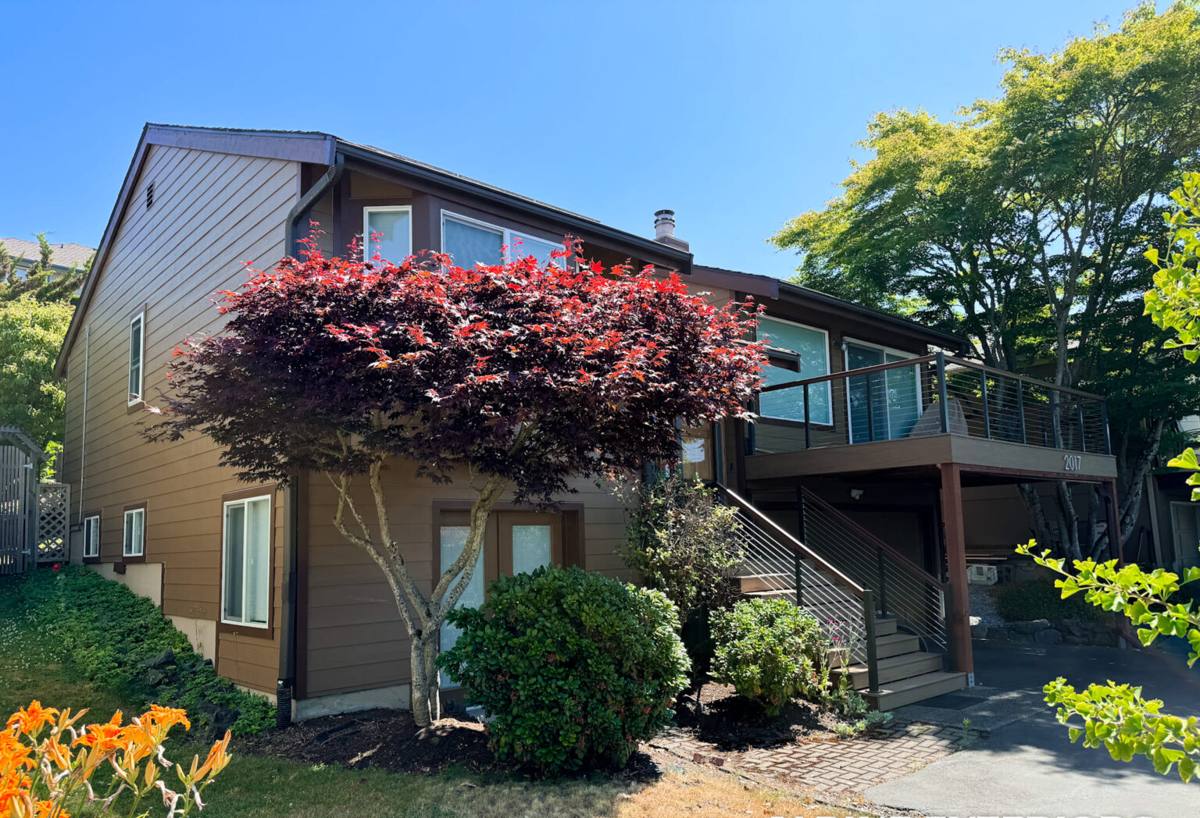
Signs a Ferndale Roof Needs Replacement, Not Just Repair
Most roofs give warning signs well before a leak shows up inside the house. In this climate, moss and granule loss tend to show up before structural problems do, which is actually a good thing — it gives homeowners a window to plan a replacement instead of reacting to water damage.
- Moss growing in mats on the roof surface, especially on north-facing slopes or shaded sections
- Granules collecting in gutters or downspouts, leaving shingles looking patchy or thin
- Shingle edges curling, cupping, or lifting, which lets wind-driven rain get underneath
- Soft or spongy spots when walking the roof, a sign the decking underneath has absorbed moisture
- Daylight visible through the attic roof boards, or damp insulation near the roofline
- A roof already carrying two layers of shingles, which limits repair options and hides deck condition
- Roof age past 20-25 years for standard composition shingle, even if it looks okay from the ground
Any one of these on its own might still be repairable. Several at once, especially combined with age, usually means a full replacement is the more cost-effective path — patch repairs on a roof that's failing broadly tend to cost more over a few years than one properly done replacement.
What a Correct Roof Replacement Involves
A roof replacement is more than swapping old shingles for new ones. In a wet, moss-prone area like Ferndale, several layers under the visible surface do most of the work protecting the house.
Tear-Off and Deck Inspection
We remove the old roofing down to the deck rather than layering over it. That's the only way to actually see the plywood or plank decking underneath, which is where hidden rot and soft spots usually hide after years of moisture creeping past aging shingles. Any damaged decking gets cut out and replaced before anything new goes down — installing new roofing over a weak deck just hides the problem for a future owner to deal with.
Underlayment and Moisture Barriers
Underlayment is the roof's backup layer if wind-driven rain gets past the shingles, which happens more often in coastal storm conditions than most homeowners realize. We pay particular attention to eaves, valleys, and low-slope sections, where synthetic or self-adhering membrane is used to resist the kind of sideways, driving rain this area gets regularly.
Flashing, Valleys, and Penetrations
Flashing around chimneys, skylights, vent pipes, and roof valleys is where the majority of leaks actually originate — not in the open field of shingles. Salt-air exposure accelerates corrosion on lower-grade metal flashing, so material choice and clean, correct installation here matters more in Ferndale than it would inland.
Ventilation
Proper intake and exhaust ventilation keeps the attic from trapping warm, moist air against the underside of the roof deck. Poor ventilation is a major contributor to premature deck rot and interior condensation problems, and it's often overlooked on older homes that were built or re-roofed before current ventilation standards were common practice.
Choosing a Roofing Material for Ferndale Conditions
There's no single "best" roofing material for every home — the right choice depends on budget, roof pitch, how much moss and moisture exposure the roof gets, and how long the homeowner plans to stay in the house. Here's how the common options compare for this climate specifically.
| Material | Moss & Moisture Resistance | Salt Air Durability | Typical Lifespan | Maintenance Needs |
|---|---|---|---|---|
| Asphalt composition shingle (standard) | Moderate — algae-resistant granules help but don't eliminate moss | Good with quality fasteners and flashing | 20-25 years | Periodic moss treatment and gutter clearing |
| Asphalt composition shingle (algae-resistant/premium) | Better — copper or zinc granules actively slow algae and moss growth | Good | 25-30 years | Lower, but not maintenance-free |
| Standing seam metal | Excellent — smooth surface sheds moisture and resists moss attachment | Very good with coastal-rated coatings and fasteners | 40-50+ years | Low; occasional fastener and seam checks |
| Cedar shake | Requires diligent upkeep — wood is naturally attractive to moss in shaded, wet conditions | Fair; salt and moisture accelerate weathering | 20-30 years with upkeep | High — regular treatment and inspection needed |
We'll walk through these trade-offs during your estimate rather than pushing one product. A steep, sun-exposed roof has very different needs than a low-pitch, shaded roof tucked under mature trees, which is common on a lot of Ferndale properties.
Our Roof Replacement Process
- On-site inspection and estimate. We walk the roof and attic, check the decking where accessible, and give you a written scope and price — no guessing from the ground or from photos alone.
- Material selection. We go over options based on your roof's pitch, sun/shade exposure, and budget, and answer questions honestly, including where a cheaper option is a reasonable choice.
- Scheduling and permitting. We handle the permit filing where required and plan the job around weather windows, since a full tear-off needs a reasonably dry stretch to do right.
- Tear-off and deck repair. Old roofing comes off, decking is inspected and repaired as needed, and the site is protected throughout — landscaping and gutters get covered, not just the roof.
- Underlayment, flashing, and material installation. Installed in the sequence that actually sheds water correctly, not just in whatever order looks fastest.
- Cleanup and magnetic sweep. Old material and debris hauled off, yard swept for stray nails and fasteners.
- Final walkthrough. We review the finished roof with you, explain the warranty coverage, and answer any remaining questions before we consider the job done.
What Affects the Cost of a Ferndale Roof Replacement
Every roof is priced individually, but the same handful of factors drive most of the cost difference between jobs:
- Roof size and pitch — larger and steeper roofs take more material, labor, and safety setup
- Number of layers to remove — tearing off two old layers costs more than one
- Decking condition — hidden rot found during tear-off adds material and labor to replace it
- Material choice — from standard asphalt shingle up through metal, price ranges vary significantly
- Roof complexity — valleys, dormers, chimneys, and skylights all add flashing work and time
- Access — steep sites, limited driveway access, or tall trees near the house can affect setup and disposal logistics
We'd rather give you a real number after seeing the roof than a broad online estimate that doesn't hold up once we're actually up there.
Permits and Working Around Whatcom County Requirements
Roof replacements in and around Ferndale typically require a building permit, and requirements can vary depending on the scope of work and whether structural repairs are involved. We handle the permit process as part of the job rather than leaving homeowners to sort it out, and we build inspection scheduling into the project timeline so it doesn't hold up the work. If your property has specific requirements — an HOA, a shoreline overlay, or similar — we'll ask early so it's accounted for in the plan, not discovered mid-project.
Why a Crew That Already Works in Ferndale Matters
Roofing crews that mostly work drier, inland climates sometimes underestimate how aggressively moss and moisture move in on a coastal Whatcom County roof. A crew that regularly works Ferndale and the surrounding Bellingham area already knows which details tend to fail first here — where flashing corrodes faster, which roof orientations grow moss the heaviest, and how much ventilation a given attic actually needs given the humidity. That local pattern recognition shows up in fewer callbacks and a roof that holds up the way it's supposed to, rather than needing early attention because it was built for a different climate.
Caring for Your Roof After Replacement
A new roof still needs basic upkeep in this climate — the material and installation quality set the ceiling on how long it lasts, but maintenance determines whether it actually gets there.
- Clear gutters and downspouts at least twice a year so water isn't backing up under the roof edge
- Treat or gently remove moss before it builds into thick mats, rather than waiting until it's established
- Trim back tree branches that keep sections of the roof shaded and damp
- Have flashing and roof penetrations checked periodically, since that's where leaks most often start
- Keep attic vents clear of insulation or debris so airflow keeps working as designed
If you're weighing a repair against a full replacement, or just want an honest read on where your current roof stands, we're happy to take a look and walk you through it. Fill out the form below for a free, no-pressure estimate.