 Bellingham Roofing
 Building a Deck in Happy Valley Starts With the Weather, Not the Wood
Happy Valley sits close enough to Bellingham Bay and the surrounding hills that its outdoor structures deal with a mix of conditions most decks in drier parts of the country never see: salt-tinged air drifting off the water, long stretches of driving rain, and shaded, slow-drying yards where moss takes hold and never really leaves. A deck built without those three things in mind will look fine the first year and start showing problems by the third or fourth. A deck built for them will still be solid a decade later.
This page is about deck building specifically for Happy Valley homes — not a generic rundown of decking options. The framing details, fastener choices, and drainage decisions that matter here are different from what a contractor might use in a dry inland climate, and getting them right the first time is a lot cheaper than fixing rot or rust later.
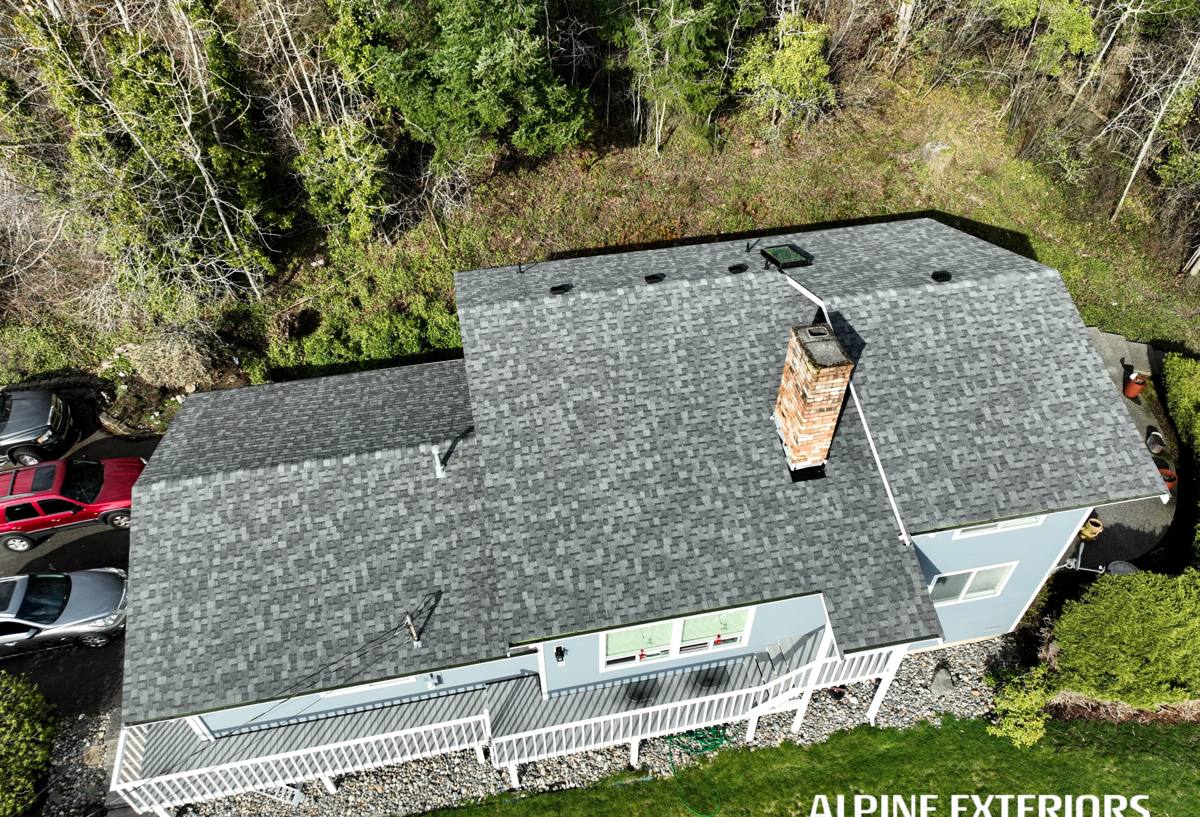
What Bellingham's Climate Actually Does to an Outdoor Deck
Whatcom County's marine climate is mild, which is part of why people love living here, but mild and damp is a tough combination for exterior wood and hardware. Three things in particular show up again and again on decks we've inspected and repaired in this area.
Salt Air and Metal Fasteners
Proximity to the bay means a low but steady level of salt in the air, even a few miles inland. Standard zinc-coated screws and nails corrode faster in that environment than most homeowners expect. Once a fastener starts rusting, it weakens the connection long before the wood around it shows any obvious damage — which is why fastener choice matters as much as decking material.
Driving Rain and Ledger Connections
Where a deck attaches to the house — the ledger board — is the single most common failure point we see on older decks in this area. Wind-driven rain gets pushed sideways and upward into gaps that would stay dry in a calmer climate. Without proper flashing, water works its way behind the ledger and into the house's rim joist, which is a structural problem, not just a cosmetic one.
Moss, Shade, and Slow-Drying Surfaces
Many Happy Valley lots have mature trees and hillside shade, which keeps decks damp for days after a storm rather than hours. That extended moisture window is exactly what moss and algae need to establish, and it's also what accelerates wood decay and makes surfaces slippery. Decking material, board spacing, and airflow underneath the deck all affect how fast a surface dries out.
Choosing the Right Decking Material for This Climate
There's no single "best" decking material — the right choice depends on how much upkeep you want to do, your budget, and how shaded or exposed the site is. Here's an honest comparison of what we typically discuss with Happy Valley homeowners.
| Material | How It Handles This Climate | Maintenance | Typical Lifespan Here |
|---|---|---|---|
| Pressure-treated pine/fir | Good rot resistance if properly sealed; needs re-staining to prevent moss and graying | Annual cleaning, re-seal every 2-3 years | 15-20 years |
| Cedar | Naturally rot- and insect-resistant, but still absorbs moisture in shaded spots | Regular cleaning and periodic oil/stain | 15-25 years |
| Composite decking | Doesn't rot or splinter; some early composite products trapped moisture and grew mold in shaded areas — modern capped composites handle this far better | Periodic washing to prevent surface algae film | 25-30+ years |
| Tropical hardwood (e.g., ipe) | Extremely dense and rot-resistant, sheds water well | Occasional oiling to maintain color; low structural maintenance | 30+ years |
We don't push one product line over another as a rule — we size the recommendation to the site. A sunny, open backyard has very different needs than a shaded, north-facing deck tucked under fir trees, which is common in parts of Happy Valley.
What a Correctly Built Deck Actually Includes
The decking boards are the part everyone sees, but they're the smallest factor in whether a deck lasts. The parts underneath and behind the surface are what determine whether you get 10 years or 30.
Footings Set Below Frost Depth
Footings need to be sized and set to local frost depth and soil conditions so the deck doesn't heave or settle unevenly over time. On sloped Happy Valley lots, this also means accounting for drainage around each footing so water doesn't pool against the concrete.
Proper Ledger Flashing
A correctly flashed ledger uses metal flashing and self-adhering waterproof membrane installed in the right order — under the house's siding or building wrap, not just caulked over the top. Caulk alone is a maintenance item, not a moisture barrier, and it fails silently.
Corrosion-Resistant Hardware Throughout
Given the salt air, we use stainless steel or high-grade coated fasteners and structural hardware rather than the minimum-spec fasteners some jobs get away with in drier regions. It costs a bit more upfront and saves a full rebuild later.
Joist Spacing and Airflow
Tighter joist spacing under composite decking, correct board gapping, and enough clearance underneath the deck for air to move all help surfaces dry out between rain events instead of staying damp for days.
Railings, Stairs, and Code Requirements
Any deck more than 30 inches off grade needs a code-compliant guardrail, and stairs need proper rise/run consistency and graspable handrails. These aren't optional upgrades — they're safety requirements, and they're also usually the first thing a home inspector flags during a sale. Railing material matters here too: untreated wood balusters exposed to driving rain and shade will show rot well before the deck surface does, so we typically match railing material durability to the decking itself rather than defaulting to the cheapest option.
Our Process for a Happy Valley Deck Project
The process is straightforward, but each step is where the climate-specific decisions actually get made:
- Site visit and assessment — we look at sun exposure, shade, slope, soil, and how the deck ties into the house before recommending any material.
- Design and material selection — sized to your budget and how much maintenance you actually want to do, not a one-size-fits-all package.
- Permitting — deck permits and inspections are typically required for structures over a certain height or attached to the house; we handle the paperwork.
- Footings and framing — built to frost depth and local structural requirements, with corrosion-resistant hardware throughout.
- Ledger flashing and waterproofing — done correctly the first time, since this is the hardest part to fix after the fact.
- Decking, railing, and stairs installation — finished to the material spec discussed at design stage.
- Final walkthrough — we go over basic care so the deck actually reaches its expected lifespan.
Maintenance Checklist for a Long-Lasting Deck in This Climate
A well-built deck still needs some seasonal attention in a climate like ours. This is the basic list we give homeowners:
- Sweep debris and standing leaves off the surface regularly, especially in fall — trapped organic matter holds moisture and feeds moss growth
- Rinse or gently wash the deck surface at least once a year to remove early algae and moss before it takes hold
- Check railing posts and stair stringers annually for soft spots, especially near ground contact points
- Re-stain or re-oil wood decking on the schedule appropriate to the product — don't wait until it's visibly gray
- Clear debris from under the deck periodically to keep airflow moving and drying time short
- Inspect the ledger flashing area near the house every year or two for any sign of water staining
Why Hiring a Crew That Already Works in Happy Valley Matters
A lot of the decisions that make a deck last in Bellingham — fastener grade, flashing detail, decking material for a shaded lot — aren't things you'll find called out in a generic national building guide. They come from having built and repaired decks in this specific climate long enough to know where problems actually start. A crew that already works in Whatcom County knows what driving rain off the bay does to an unflashed ledger, and what a shaded, tree-covered lot does to composite decking versus cedar. That local knowledge is the difference between a deck that needs real repair work in year five and one that's still solid at year twenty.
If you're planning a new deck or replacing one that's showing its age, we're happy to come take a look and talk through what makes sense for your specific lot. There's no pressure and no cost for the estimate — just a straight assessment of what your Happy Valley property actually needs. Use the form below to get started.