 Bellingham Roofing
 Roof Replacement in Cordata: Built for This Climate, Not a Generic One
Cordata homes take a specific kind of beating. Bellingham sits on Bellingham Bay in Whatcom County, and that means salt-laden air moving inland, long stretches of driving rain off the Sound, and a moss season that can run most of the year in shaded, north-facing sections of a roof. A roof replacement here isn't just about swapping old shingles for new ones — it's about building a roofing system that can shed water fast, resist the slow corrosion that salt air causes on metal components, and stay ahead of moss before it works its way under the shingle mat. This page covers what that actually looks like for a Cordata home, from the warning signs that it's time to replace rather than repair, to the materials and process that hold up here.
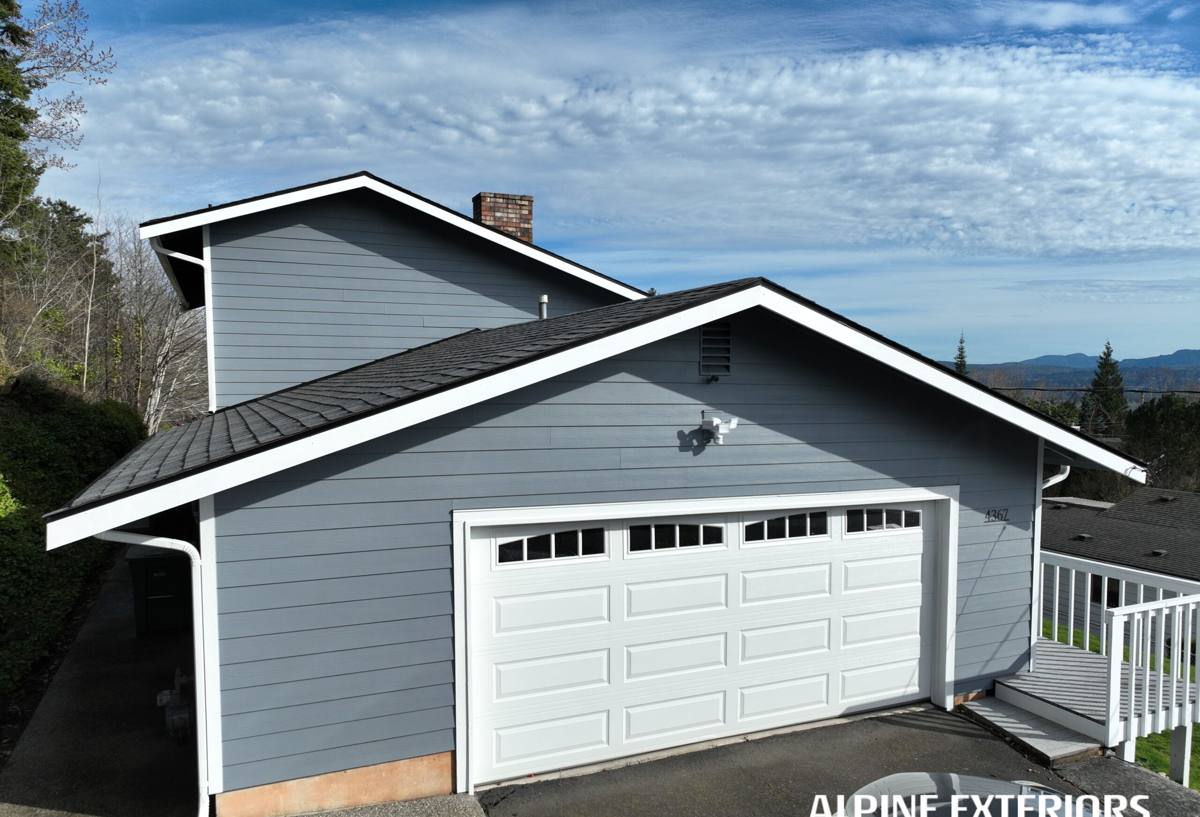
Why Bellingham's Climate Wears Roofs Down Faster
Salt Air and Metal Fatigue
Even a few miles inland from the bay, airborne salt accelerates corrosion on exposed metal — flashing, fasteners, vent caps, and gutter hardware. Standard galvanized nails and flashing that might last decades in a dry inland climate can start pitting and weakening years earlier here. It's a slow process, which is exactly why it goes unnoticed until a leak shows up around a chimney or vent pipe.
Driving Rain and Wind-Driven Water
Rain in this region rarely falls straight down. Wind off the water pushes it sideways, forcing water up under shingle edges, around valleys, and into any gap in flashing that a calmer climate would never expose. Roofs here need generous overlap, properly sealed valleys, and underlayment that can handle water intrusion, not just runoff.
The Long Moss Season
Shaded roof sections, especially those under trees or on the north side of a home, stay damp long enough for moss to establish and spread across most of the year in Whatcom County. Moss holds moisture against the roofing material, works its way under shingle tabs as it grows, and can lift edges enough to let wind and rain in. On an aging roof, moss isn't just cosmetic — it's actively shortening the roof's remaining life.
Signs a Cordata Roof Needs Replacement, Not Another Repair
Repairs make sense when the underlying roofing system is still sound. Replacement becomes the honest recommendation when the damage is systemic rather than isolated. Common signs we look for include:
- Granule loss heavy enough that shingles look patchy or bald in sun-exposed areas
- Shingles that are cupping, curling, or cracking across multiple sections of the roof, not just one spot
- Moss or algae staining that returns quickly after cleaning, indicating the shingle surface is already compromised
- Soft or spongy decking felt underfoot, or daylight visible through the attic sheathing
- Repeated leaks in different locations rather than one recurring spot
- A roof at or past the manufacturer's expected service life for its material and exposure
If a roof is showing two or more of these at once, patch repairs usually become a cycle of chasing new leaks every wet season rather than solving the underlying problem.
What a Correct Roof Replacement Actually Involves
A roof replacement done right is a full system rebuild, not just a new top layer. Skipping any of these steps is where most premature failures in this climate come from.
Full Tear-Off and Deck Inspection
We remove existing roofing down to the deck so it can be inspected directly. Soft, rotted, or delaminated sheathing gets replaced before anything new goes down — covering over damaged decking just traps the problem under a new roof.
Ice and Water Barrier at Vulnerable Points
Eaves, valleys, and roof penetrations get a self-adhering waterproof membrane underneath the underlayment. These are the areas wind-driven rain and ice most commonly force water into, and they're the first places a cut-rate installation skips.
Synthetic Underlayment Across the Field
A quality synthetic underlayment sheds water that gets past the shingle layer and holds up to the wet install conditions common here, unlike older felt products that can wrinkle or tear when installed damp.
Proper Flashing and Fastener Selection
Given the salt air, flashing and fasteners are chosen for corrosion resistance, not just upfront cost. Step flashing at walls, counterflashing at chimneys, and pipe boots are all points where a generic installation tends to cut corners.
Balanced Attic Ventilation
Intake and exhaust ventilation are sized and balanced together. Without it, trapped moisture condenses in the attic, which both rots decking from underneath and undermines the roof's warranty.
Choosing the Right Material for Cordata's Conditions
There's no single "best" roofing material — the right choice depends on your budget, your roof's exposure to shade and wind, and how long you want to go before the next replacement. Here's how the common options compare for a home in this climate:
| Material | Typical Lifespan Here | Moss/Moisture Behavior | Trade-Offs |
|---|---|---|---|
| Architectural asphalt shingle | 20-30 years | Algae-resistant granules help; still needs periodic moss treatment in shaded areas | Best balance of cost and performance for most homes |
| Standing seam metal | 40-50+ years | Sheds moss and moisture very well; smooth surface discourages growth | Higher upfront cost; fasteners must be corrosion-rated for salt air |
| Synthetic/composite shingle | 30-50 years | Resists moisture absorption better than wood; moss still needs occasional attention | Higher material cost than asphalt; fewer local installers |
| Cedar shake | 20-30 years with upkeep | Holds moisture and is highly susceptible to moss and rot in this climate | Requires the most ongoing maintenance; we're upfront that this is a real commitment, not a set-and-forget roof here |
For most Cordata homes, a high-quality architectural shingle with algae-resistant granules offers the best combination of upfront cost, appearance, and performance against moss. Homeowners planning to stay long-term or wanting to minimize future roof work often lean toward metal despite the higher initial investment.
Our Replacement Process, Start to Finish
- On-site inspection — we assess the current roof, decking condition, ventilation, and any problem areas before quoting anything
- Written estimate — clear scope of work, material options, and pricing, with no pressure to decide on the spot
- Scheduling around weather — we plan installs to avoid working a torn-off roof into an incoming rain system whenever possible
- Tear-off and deck repair — full removal, with any compromised sheathing replaced and documented
- Underlayment, flashing, and ventilation installed — the system layers that determine how the roof performs, not just how it looks
- Final shingle or material installation — installed to manufacturer specification to keep warranty coverage intact
- Cleanup and walkthrough — site cleared of debris and nails, with a final review of the finished roof
What Affects the Cost of a Roof Replacement
| Factor | Why It Matters |
|---|---|
| Roof size and pitch | Steeper roofs require more safety setup and labor time, increasing cost per square |
| Number of existing layers | Removing multiple old layers takes more labor and disposal than a single-layer tear-off |
| Decking condition | Rotted or soft sheathing found during tear-off adds material and labor not visible in an initial estimate |
| Material choice | Asphalt, metal, and composite options carry different material and installation costs |
| Roof complexity | Valleys, dormers, skylights, and multiple penetrations all add flashing work |
| Access and site conditions | Steep lots, limited driveway access, or nearby trees can affect equipment and disposal logistics |
We give a firm, itemized quote after inspecting the roof in person — not a phone estimate — because the deck condition and roof complexity genuinely change the price.
A Homeowner's Checklist Before Replacing a Roof
- Get a written estimate that breaks out material, labor, and any allowance for decking repair
- Confirm the contractor is licensed and insured to work in Washington State
- Ask what underlayment and ice/water barrier will be used, and where
- Ask how attic ventilation will be handled, not just the shingle brand
- Confirm what happens if rotted decking is found once tear-off begins
- Get the manufacturer warranty terms in writing, including what voids them
- Ask how the crew plans around weather during your installation window
Why Local Experience in Cordata Matters
A roofing crew that regularly works in and around Bellingham knows which details actually matter here versus what's fine to skip in a drier climate. That means defaulting to corrosion-resistant fasteners because of the salt air, sizing ice and water protection for real driving-rain exposure rather than the bare code minimum, and knowing which roof orientations in this area tend to hold moss longest. It also means understanding Whatcom County permitting and inspection requirements so a replacement doesn't stall on paperwork. None of that replaces a proper inspection of your specific roof, but it does mean fewer surprises during the job.
If your roof in Cordata is showing its age or you just want an honest opinion on repair versus replacement, we're happy to take a look. Fill out the form below for a free, no-pressure estimate — we'll walk the roof, explain what we find in plain terms, and give you a clear, itemized quote before any work begins.