 Bellingham Roofing
 Asphalt Shingle Roofing Built for Blaine's Coastal Weather
Blaine sits right on the water, tucked against the Canadian border at the northern edge of Whatcom County, and that location shapes what a roof has to survive here. Salt-laden air off Semiahmoo Bay and the Strait of Georgia, wind-driven rain that comes in sideways during winter storms, and long stretches of gray, damp weather that never quite let a roof dry out — all of it adds up to conditions that are harder on shingles than what you'd see further inland. An asphalt shingle roof done right for a Blaine home isn't just "installed to code." It's installed with this specific climate in mind, from the underlayment up.
This page covers what asphalt shingle roofing means specifically for homes in Blaine: what the local climate actually does to a roof over time, what a correct installation involves, how our process works, and why it matters to hire a crew that already knows this stretch of coastline.
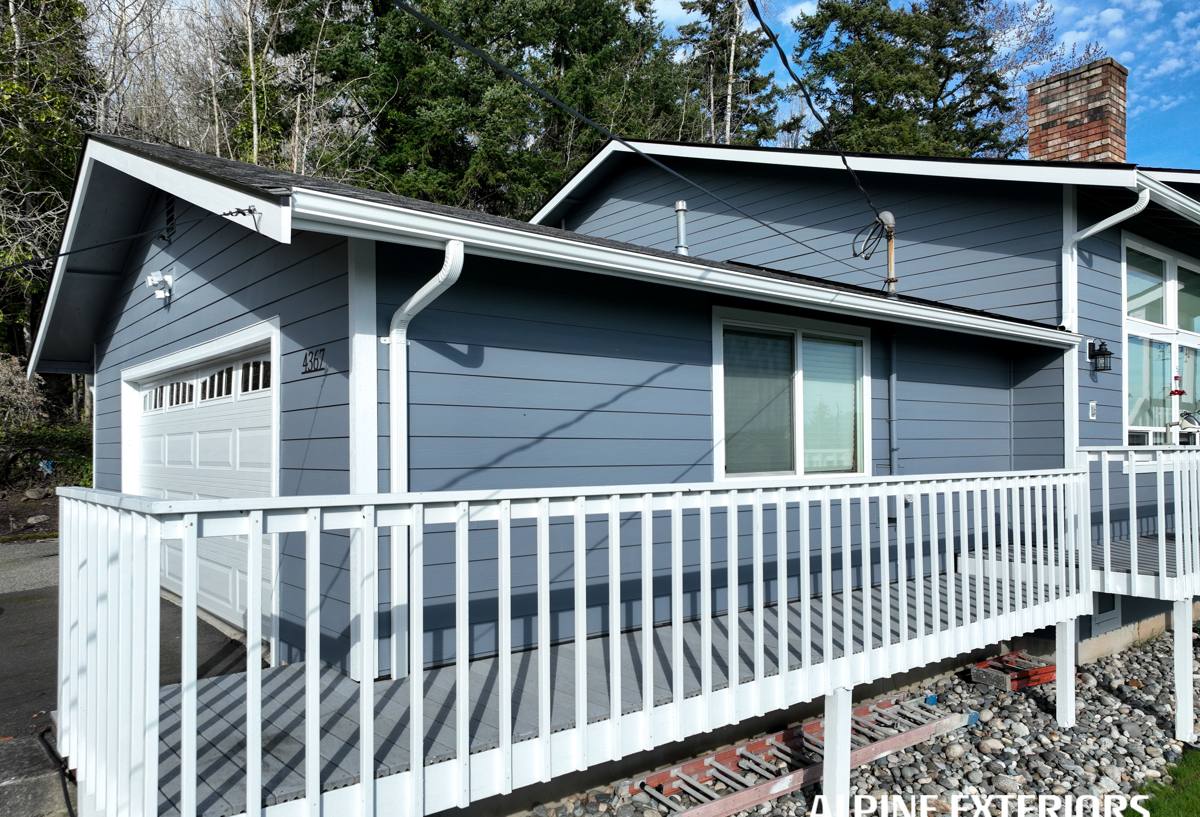
What Blaine's Climate Actually Does to a Roof
Salt Air
Homes close to the water deal with airborne salt that settles on every exterior surface, including the roof. Salt doesn't destroy asphalt shingles the way it corrodes bare metal, but it does accelerate the breakdown of exposed metal flashing, fasteners, and vents if they aren't rated for coastal exposure. Over years, under-spec'd metal components corrode faster near the water than they would ten or twenty miles inland, which is why material choice at the flashing and fastener level matters more in Blaine than in a landlocked neighborhood.
Driving Rain
Storms coming off the strait don't just drop rain straight down — they push it sideways, which means water gets tested at every seam, valley, and edge of a roof, not just the open field of shingles. A roof that would hold up fine under vertical rain can leak in Blaine if the underlayment, valley work, and flashing details weren't built for wind-driven water. This is one of the most common root causes of "mystery leaks" we get called out for on older homes here.
Moss and Algae
Whatcom County's damp, shaded, and mild climate is close to ideal for moss and algae growth on roofs, and homes in Blaine that sit under tree cover or on the north side of a hill see it worse. Moss holds moisture against the shingle surface, works its way under shingle tabs as it grows, and can lift edges over time — which is how a moss problem turns into a leak problem. Algae streaking is mostly cosmetic but signals a roof surface that's staying wet longer than it should.
Choosing the Right Asphalt Shingle for a Blaine Home
Not every asphalt shingle is built the same, and the right choice depends on your budget, how exposed your roof is to wind and salt air, and how long you want to go before the next replacement. Here's how the common options compare for a coastal Whatcom County home:
| Shingle Type | Typical Lifespan | Wind Rating | Best Fit For |
|---|---|---|---|
| 3-Tab Asphalt | 15-20 years | Lower | Budget-conscious projects, less wind-exposed roof planes |
| Architectural (Laminate) Asphalt | 25-30 years | Higher, varies by product | Most Blaine homes — better wind and impact performance |
| Algae-Resistant Architectural | 25-30 years | Higher, varies by product | Shaded lots or homes with a history of moss/algae staining |
| Impact-Rated Architectural | 25-30+ years | Highest | Roofs exposed to falling branches or open wind runs off the water |
For most homes in Blaine, we lean toward architectural shingles with algae-resistant granules. The upfront cost is higher than 3-tab, but the added durability and moss resistance tend to pay for themselves over the life of the roof, especially on north-facing or tree-shaded sections where moss takes hold fastest.
What a Correct Installation Actually Involves
An asphalt shingle roof is only as good as what's underneath it. A lot of roofing problems we get called to fix in Blaine trace back to shortcuts taken on the parts you can't see once the job is done.
Underlayment
Given how much wind-driven rain this area sees, we use synthetic or self-adhered underlayment rated for high-wind, coastal conditions rather than the minimum felt paper some crews still default to. This layer is the backup plan if wind ever drives water past the shingle surface.
Flashing and Valleys
Every roof-to-wall intersection, chimney, skylight curb, and valley is a place water concentrates. We use corrosion-resistant flashing metal appropriate for coastal exposure and make sure valleys are lined and lapped correctly for wind-driven rain, not just straight-down rain.
Ventilation
Attic ventilation affects how long shingles last from underneath, not just from weather above. A poorly ventilated attic traps heat and moisture, which shortens shingle life and can contribute to condensation issues in our damp climate. We check intake and exhaust balance as part of every re-roof, not as an upsell.
Nailing and Fastening
Shingles rated for high wind only perform to that rating if they're fastened correctly — right nail count, right placement, right depth. Coastal wind gusts off the water expose bad nailing fast, usually as lifted or missing shingles after the first real storm.
Our Process, Start to Finish
- Inspection and honest assessment — we look at the whole roof system, not just the shingles, and tell you plainly whether you need a repair or a full replacement.
- Written estimate — clear scope, materials, and pricing, no vague line items.
- Material selection — we walk through shingle options based on your home's exposure, shading, and budget.
- Tear-off and deck inspection — old roofing comes off and we check the deck underneath for rot or soft spots before anything new goes down.
- Underlayment, flashing, and shingle installation — built for wind-driven rain and coastal exposure, not just minimum code.
- Cleanup and final walkthrough — magnetic sweep for stray fasteners, debris hauled off, and a final look together before we call it done.
Moss, Algae, and Salt Air Maintenance
A well-installed asphalt shingle roof in Blaine still needs some ongoing attention because of the local conditions. Waiting until you see a leak means the moss or debris problem has usually been building for a while already.
- Keep gutters and valleys clear of needles, leaves, and moss debris, especially under tree cover
- Have moss growth treated and removed before it works under shingle tabs
- Trim overhanging branches to cut down on shade and debris buildup
- Have flashing and fasteners checked periodically for early corrosion, particularly on homes closest to the water
- Schedule a roof check after major windstorms to catch lifted or missing shingles early
- Confirm attic ventilation isn't blocked by insulation or storage
Most of this is quick, inexpensive maintenance compared to the cost of a leak that's been active long enough to reach the roof deck or framing.
Why It Matters to Hire a Crew That Already Works Blaine
Roofing crews that mostly work drier, inland areas don't always default to coastal-grade underlayment, flashing metal, or fastening practices, because they don't need to where they normally work. A crew that regularly works Blaine and the rest of Whatcom County's coastline builds those decisions in from the start, because we've seen firsthand what happens to a roof that wasn't built for salt air and driving rain. We also know which parts of a roof in this area tend to fail first — usually valleys, flashing, and shaded north-facing slopes — and pay closer attention there.
Familiarity with local permitting and typical home construction in the area also keeps a project moving without surprises. It's the difference between a roof that's technically installed and one that's actually built for where it sits.
Repair or Replace: How to Tell
Not every roof issue on a Blaine home means a full replacement. Here's a general guide to how we approach that call:
| Situation | Usually Means |
|---|---|
| A few lifted or missing shingles after a storm | Targeted repair |
| Moss buildup with tabs still intact underneath | Cleaning plus spot repair |
| Granule loss and widespread curling shingles | Roof is nearing the end of its service life — replacement worth planning for |
| Active leak with staining on interior ceilings | Needs inspection right away to find the source before it spreads |
| Roof deck soft spots found during inspection | Replacement, since deck repair usually requires removing the roofing anyway |
An honest inspection is the only reliable way to know which category your roof falls into, and that's exactly what we start with on every visit.
If you're weighing a repair, a full replacement, or just want a clear read on where your roof stands, we're glad to come take a look. Reach out for a free, no-pressure estimate using the form below.