 Bellingham Roofing
 Roofing Built for Birch Bay's Coastline, Not a Generic Climate
Birch Bay sits right on the water, and that changes what a roof has to survive. Homes a few miles inland in Bellingham deal with plenty of rain, but Birch Bay roofs also take on salt-laden air blowing off the water, near-constant wind exposure, and long stretches of shade and dampness that keep moss and algae active almost year-round. A roof replacement here isn't just about swapping old shingles for new ones — it's about choosing materials and details that hold up to a specific coastal environment, not a textbook Pacific Northwest one.
We've replaced roofs across Whatcom County long enough to know that a roofing system that performs fine in a drier, more sheltered part of Bellingham can fail early in Birch Bay if it's installed the same way. This page walks through what that means in practice: what the climate actually does to a roof out here, what a correct replacement involves, and how our process works from first estimate to final cleanup.
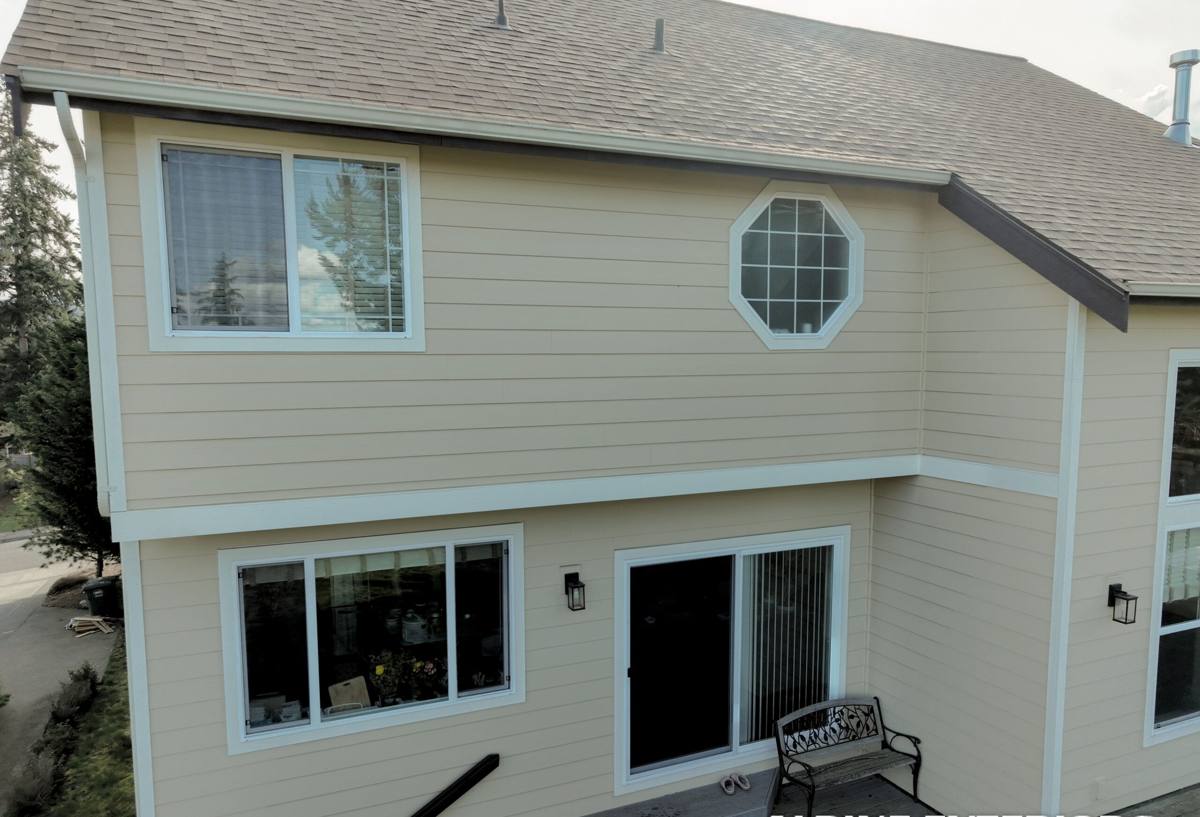
What Salt Air, Driving Rain, and Moss Actually Do to a Birch Bay Roof
Salt Air and Corrosion
Airborne salt accelerates corrosion on any exposed metal — flashing, fasteners, vent boots, and gutter hardware included. Standard galvanized fasteners and lower-grade flashing can start showing rust and pitting years before they would inland. Over time, corroded flashing is one of the most common hidden causes of roof leaks, because the failure happens at a seam or penetration point rather than out in the open field of the roof where it's easy to spot.
Driving Rain and Wind-Driven Water
Birch Bay's exposure to wind off the water means rain doesn't always fall straight down — it gets pushed sideways into laps, seams, and exposed fastener lines. A roofing system designed for calmer, more sheltered lots can let water find its way under shingles or panels during a windy storm, even if the roof looks fine from the ground. This is one of the biggest reasons underlayment choice and installation detail matter more here than in a typical inland Bellingham neighborhood.
Moss, Algae, and a Long Wet Season
Whatcom County's wet season runs long, and shaded, north-facing, or tree-covered sections of a Birch Bay roof can stay damp for weeks at a time. That's exactly the environment moss and algae need to take hold. Left unchecked, moss holds moisture against the roofing surface, lifts shingle edges, and works its way into seams — turning a cosmetic issue into a structural one over a few seasons.
Signs a Birch Bay Home Needs Replacement, Not Another Repair
Not every roofing problem calls for a full replacement, and we'll tell you honestly when a repair is the right call. But certain signs point to a roofing system that's past the point where patching makes sense:
- Granule loss heavy enough that you're finding grit in gutters and downspouts regularly
- Curling, cupping, or cracked shingles across multiple sections of the roof, not just one isolated spot
- Soft or spongy decking felt underfoot during inspection, indicating water has reached the wood
- Rusted or deteriorating flashing around chimneys, skylights, and vent penetrations
- Moss growth that returns quickly after cleaning, especially on shaded slopes
- Visible daylight or water staining in the attic, particularly near eaves and valleys
- A roof approaching or past the manufacturer's expected service life for its material and this exposure
If your roof shows one or two of these in isolation, a targeted repair may still make sense. If several show up together, that's usually a sign the underlying materials and underlayment are wearing out across the board — and patching individual spots just delays a full replacement while you keep paying for repairs along the way.
What a Correct Roof Replacement Involves
A roof replacement isn't just new shingles on old decking. Done correctly, especially in a coastal exposure like Birch Bay, it involves several layers working together:
Tear-Off and Deck Inspection
We remove the old roofing down to the deck so we can actually see what's underneath — not guess at it. Any decking that's soft, delaminated, or water-damaged gets replaced before anything new goes down. Skipping this step is one of the most common shortcuts in the industry, and it's the one most likely to cause problems within a few years.
Underlayment Selection
Given the wind-driven rain exposure here, we lean toward synthetic or self-adhered underlayment products with strong water-shedding performance in exposed areas — valleys, eaves, and low-slope transitions — rather than relying on minimum-code underlayment throughout. This is a material and labor upgrade, but it's the layer doing the real work if wind ever pushes water past the shingles themselves.
Flashing and Fasteners Rated for Coastal Exposure
Because of the corrosion risk from salt air, we use flashing and fastener materials selected for coastal durability rather than the lowest-cost galvanized option. This applies to step flashing, valley metal, vent boots, and any exposed hardware. It costs more up front and saves you a service call in five years when standard hardware would already be rusting.
Ventilation
Proper intake and exhaust ventilation keeps moisture from building up in the attic, which matters even more in a climate where the roof surface itself stays damp for long stretches. Poor ventilation traps humidity, which can lead to premature decking rot and shortens the life of the new roofing system from underneath, where you can't see it happening.
Roofing Material Options for a Birch Bay Coastal Property
There's no single "best" material for every home — it depends on your roof's slope, exposure, budget, and how much moss and algae resistance matters to you. Here's how the common options compare for this specific coastal environment:
| Material | Salt Air Performance | Moss Resistance | Maintenance |
|---|---|---|---|
| Architectural asphalt shingle (algae-resistant) | Good with coastal-rated flashing | Better than standard shingle; not immune | Periodic moss treatment recommended |
| Standing seam metal | Excellent with coastal-grade coatings and fasteners | Very good — hard surface sheds moisture faster | Low; occasional fastener and seam check |
| Standard 3-tab asphalt shingle | Fair; shorter service life in this exposure | Lower resistance | More frequent moss cleaning needed |
| Composite/synthetic shingle | Good; check manufacturer coastal warranty terms | Moderate to good depending on product | Similar to architectural shingle |
We'll walk through these trade-offs with you honestly during the estimate — including where a lower-cost option is genuinely fine for your specific roof and where it's likely to cost you more in the long run given Birch Bay's exposure.
Moss and Algae Prevention Built Into the Job
Rather than treating moss control as an afterthought, we build prevention into the replacement itself. That includes using algae-resistant shingle products where appropriate, installing zinc or copper strips near the ridge on shaded roofs to inhibit regrowth, and making sure valleys and low-slope sections are detailed so water actually drains instead of sitting. None of this eliminates the need for occasional roof cleaning in a climate like this one, but it significantly extends the time between cleanings and reduces how aggressively moss can take hold in the first place.
Our Process, Start to Finish
We keep the process straightforward and try to minimize surprises, especially around timeline and weather:
- Inspection and estimate — we walk the roof, check the attic, and give you an honest assessment of repair vs. replacement
- Material selection — we go over options suited to your roof's specific exposure and your budget, not a one-size answer
- Scheduling around weather — Whatcom County's rain patterns mean we plan tear-off days carefully and keep your home protected if conditions shift
- Tear-off and deck inspection — full removal of old roofing, with any damaged decking replaced before installation begins
- Underlayment and flashing installation — the layers that do the real water-shedding work, installed to coastal-exposure detail
- Roofing installation — new material installed to manufacturer specification and local code
- Ventilation check — intake and exhaust confirmed to be working as a system, not just present
- Cleanup and magnetic sweep — job site and yard cleared of debris and stray fasteners
- Final walkthrough — we go over the finished roof with you before calling the job done
What Affects the Cost of a Birch Bay Roof Replacement
We don't quote prices without seeing the roof, but these are the main factors that move a project up or down in cost:
| Factor | Why It Matters |
|---|---|
| Roof size and pitch | More surface area and steeper slopes increase material and labor time |
| Decking condition | Rotted or soft decking found during tear-off needs replacement before new roofing goes on |
| Material choice | Standing seam metal, architectural shingle, and standard shingle carry different material and labor costs |
| Number of penetrations | Chimneys, skylights, and vents each require additional flashing detail and labor |
| Access and site conditions | Tree cover, tight lot lines, or difficult roof access can add setup time |
| Ventilation upgrades | Adding or correcting intake/exhaust ventilation is worth pricing in if your current setup is inadequate |
We'll break these down clearly in your written estimate so you know exactly what you're paying for and why — not just a bottom-line number.
Why a Crew That Already Works Birch Bay Matters
Roofing crews that mostly work drier, more sheltered inland areas don't always think about salt air corrosion or wind-driven rain as a default consideration — because they don't run into it as often. We work across Bellingham and Whatcom County, including Birch Bay's shoreline properties, so coastal-grade flashing, upgraded underlayment at vulnerable points, and moss-conscious detailing aren't upgrades we have to be talked into. They're just part of how we build a roof out here.
That local familiarity also means we have a realistic sense of how weather windows work along this stretch of coastline, what permitting looks like for the area, and what tends to go wrong first on older Birch Bay roofs when they haven't been maintained. It's the difference between a contractor applying a general playbook and one who's already seen how this specific climate ages a roof.
Maintaining Your New Roof in a Coastal Climate
A well-installed roof still benefits from basic upkeep, especially here. We recommend keeping gutters and downspouts clear so water isn't sitting against the roof edge, having moss growth addressed before it spreads rather than after, and scheduling a periodic visual check of flashing and penetration points — the areas most exposed to salt air corrosion over time. None of this is intensive, but a little attention goes a long way toward getting the full service life out of your roofing investment in this environment.
If you're weighing a repair against a full replacement, or you just want an honest read on where your Birch Bay roof stands, we're happy to take a look. Reach out for a free, no-pressure estimate using the form below.