 Bellingham Roofing
 Board & Batten in a Neighborhood Built on Curb Appeal
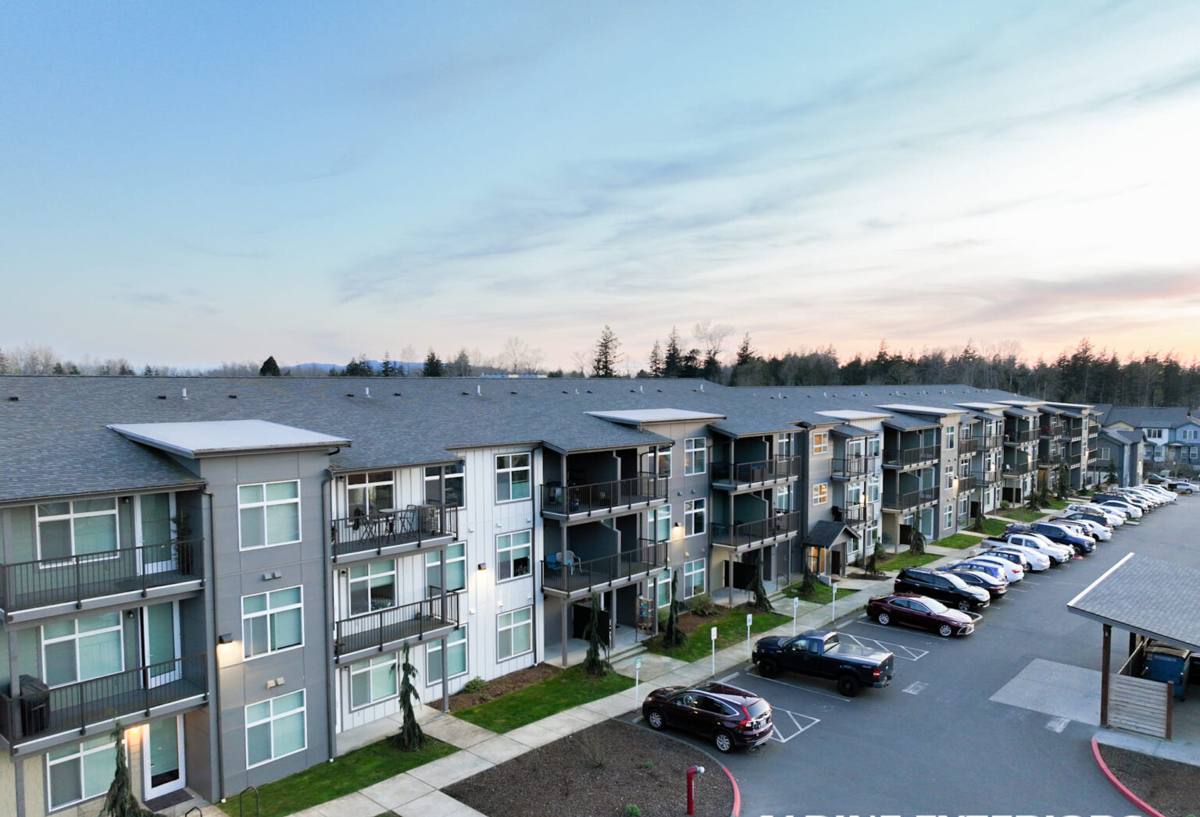
Barkley has a distinct look among Bellingham neighborhoods — a mix of newer construction, tidy streetscapes, and homes where exterior design was clearly part of the plan from day one. Board and batten siding fits that character well. The vertical lines read as clean and intentional, it pairs naturally with the craftsman and modern-farmhouse styles common in the area, and it works as a full exterior or as an accent against lap siding or stone. But board and batten is also one of the least forgiving siding profiles when it comes to water management, and that matters a lot once you factor in what a Bellingham winter actually does to a house.
This page is about board and batten specifically for Barkley homes — what the local climate demands from it, what a correct installation looks like, and how we approach the job when we take one on in this neighborhood.
What Bellingham's Climate Does to Vertical Siding
Whatcom County's marine climate is generally mild, but "mild" doesn't mean easy on a house. Three things matter specifically for board and batten:
Driving Rain at the Seams
Board and batten relies on vertical battens covering the joints between panels. Every one of those seams is a potential water entry point, and Bellingham's weather pattern — long stretches of steady, wind-driven rain off the Salish Sea — pushes moisture sideways into siding, not just straight down. A batten that isn't fastened, spaced, and flashed correctly will eventually let water track behind the panel rather than shed off the face of it.
Salt Air and Slow Corrosion
Homes closer to Bellingham Bay and the broader Salish Sea shoreline deal with a low but steady dose of salt in the air. It's not as aggressive as an oceanfront property, but over years it accelerates corrosion on unprotected fasteners, staples, and trim flashing. Materials and hardware that aren't rated for that exposure fail faster than their warranty paperwork suggests.
Moss Season
Whatcom County's damp, low-light stretch from fall through spring is prime moss and algae growth season, especially on the shaded or north-facing walls common on lots with mature tree cover. Moss holds moisture against a wall long after a storm has passed. On a siding profile with lots of horizontal ledges — like the top edge of every batten — that means more surface area collecting organic growth and staying wet longer than a flat lap profile would.
None of this makes board and batten a bad choice for a Barkley home. It means the installation details that are easy to shortcut are exactly the ones that determine whether the siding holds up through twenty Bellingham winters or starts showing problems in five.
Why We Install James Hardie for Board & Batten — and Nothing Else
We only install James Hardie fiber cement siding. We don't install LP SmartSide, vinyl, Cemplank, Allura, primed spruce, or cedar board and batten, and we think homeowners deserve a straight answer about why.
Vinyl board and batten is inexpensive and low-maintenance, but it's a thin extruded product that flexes with temperature swings, and the vertical battens are usually hollow trim pieces rather than a solid, integrated panel system — seams stay a weak point no matter how carefully they're installed. Wood board and batten (cedar or primed spruce) looks great new, but real wood in a wet marine climate needs disciplined recoating and caulk maintenance to avoid rot, and Whatcom County's damp season doesn't give it much time to dry out between storms. Engineered wood products like LP SmartSide use a resin-treated wood strand core that performs reasonably well when installation is flawless, but any breach in the factory coating — a fastener error, a poorly sealed cut edge — gives moisture a path into a wood-based substrate, and that's a hard thing to fully prevent on a real job site over the life of a house.
James Hardie board and batten is fiber cement: sand, cement, and cellulose fiber, cured into a dense, dimensionally stable panel that doesn't absorb water the way wood-based products do and won't warp, cup, or feed rot the way real wood can. It's also non-combustible, which matters increasingly to insurers and to homeowners thinking about wildfire smoke and ember exposure even in a wetter region like ours. It's not the cheapest option on the shelf, and it's heavier and less forgiving to install than vinyl — which is exactly why installation quality matters as much as the product choice.
HardiePanel Vertical Siding and Batten System
Hardie's board and batten look is built from HardiePanel vertical siding — large fiber cement sheets — with separate battens installed over the panel joints, or from Hardie's engineered batten trim system depending on the look you want. Panels come in a smooth or cedar-textured finish and are engineered for the Pacific Northwest's specific moisture and temperature range as part of Hardie's HZ10 product line for our climate zone.
ColorPlus Finish vs. Field Painting
We push clients toward Hardie's factory-applied ColorPlus finish over field-painted panels wherever the budget allows. ColorPlus is baked on in a controlled environment, resists fading and chipping better than most site-applied paint jobs, and comes with its own finish warranty. In a climate with as much rain exposure as Bellingham gets, a factory finish is one less variable that depends on weather conditions during install.
What a Correct Board & Batten Installation Actually Involves
Board and batten hides a lot of the work that determines whether it lasts. Everything that matters is under the battens, not on the surface.
| Detail | Shortcut Approach | Correct Approach |
|---|---|---|
| Wall drainage | Panel fastened flat to sheathing or house wrap with no gap | Rain screen furring strips or a drainable house wrap creating an air/drainage gap behind the panel |
| Panel joints | Butted tight and caulked, relying on sealant alone | Flashed or gapped per Hardie's fastening spec, with battens covering and protecting the joint |
| Fasteners | Standard or unrated nails/screws | Corrosion-resistant fasteners rated for coastal/marine exposure, driven to Hardie's specified depth and pattern |
| Window and door flashing | Panel butted to trim with caulk as the only barrier | Integrated flashing and weather-resistant barrier detailing at every penetration, siding as the second line of defense |
| Bottom edge / clearance | Panel run close to grade, deck, or hardscape | Proper clearance maintained above grade, decks, and roof lines to limit splash-back and standing moisture |
Every one of those "correct approach" items is more labor and more attention than the shortcut version, and none of it is visible once the job is finished and painted. That's the core problem with judging a board and batten install by looking at it — a rushed job and a correct one can look identical for the first year or two.
Our Process on Barkley Projects
When we take on a board and batten job in Barkley, the process looks like this:
- On-site assessment of the existing wall assembly, moisture exposure by elevation, and any current signs of trapped moisture or moss buildup
- Removal of existing siding and inspection of the sheathing underneath for hidden rot or water damage before anything new goes up
- Installation or repair of the water-resistive barrier and rain screen gap — this is the step that gets skipped most often on lower-bid jobs
- Hardie panel and batten installation to manufacturer fastening specs, with flashing detail at every window, door, and roofline intersection
- Final inspection walk-through with the homeowner before we consider the job done
Maintenance in a Moss-Prone, Salt-Air Climate
James Hardie board and batten is low-maintenance, not no-maintenance. In Barkley's climate we recommend an annual walk-around, ideally after moss season starts to recede in spring: check shaded and north-facing walls for moss or algae buildup, keep gutters clear so overflow isn't running down the wall face, and trim back vegetation that's holding moisture against the siding. A gentle rinse (never a pressure washer aimed directly at seams or battens) handles most buildup. Caulk joints at trim and penetrations are worth a visual check every couple of years, since caulk is the one component in the system that does wear out before the siding itself does.
Why a Crew That Already Works Barkley Matters
Board and batten installation quality comes down to judgment calls — how much of a drainage gap a specific wall needs, how a corner detail gets flashed, how close to grade a panel can safely run — and those judgment calls are informed by having actually worked the conditions in a given neighborhood. A crew that's installed siding across Bellingham and Whatcom County has seen how homes in this specific mix of tree cover, rain exposure, and coastal proximity actually perform over time, not just how a spec sheet says they should perform. That local pattern-recognition is part of what you're paying for, along with the labor itself.
What Board & Batten Costs to Do Right
Board and batten typically costs more than standard lap siding for the same square footage, mainly due to the added labor of installing individual battens and the trim detailing at corners and openings. Exact pricing depends on your project, but these are the main factors that move the number:
| Factor | Why It Affects Cost |
|---|---|
| Wall complexity | More corners, dormers, and roof intersections mean more cuts, flashing, and batten trim work |
| Tear-off vs. new construction | Removing old siding and repairing sheathing adds labor beyond the siding install itself |
| Rain screen installation | Adding furring strips or drainable wrap is extra labor but is the detail most responsible for long-term performance |
| Finish choice | Factory ColorPlus finish costs more upfront than field-painted panels but reduces future repainting costs |
| Accent vs. full coverage | Board and batten used as a partial accent costs less overall than a full-house application |
If you're weighing board and batten for a home in Barkley, or trying to figure out whether it's the right profile for your specific lot and exposure, we're happy to take a look and give you a straight assessment. Fill out the form below for a free, no-pressure estimate.