 Bellingham Roofing
 Storm Damage Roof Repair for York Homes
York is one of Bellingham's older, established neighborhoods, and that means a lot of its housing stock has rooflines, attic spaces, and roofing materials that were never built for the weather patterns we're seeing now. When a winter windstorm rolls off the Strait or a heavy rain event sits over Whatcom County for two or three days straight, older roofs in York tend to show the damage first — at the flashing, at the eaves, and anywhere moss has been quietly working into the shingle mat for years. This page covers what storm damage roof repair actually looks like for a York property: what to check after a storm, what a proper repair involves, and why local experience matters more than most homeowners realize.
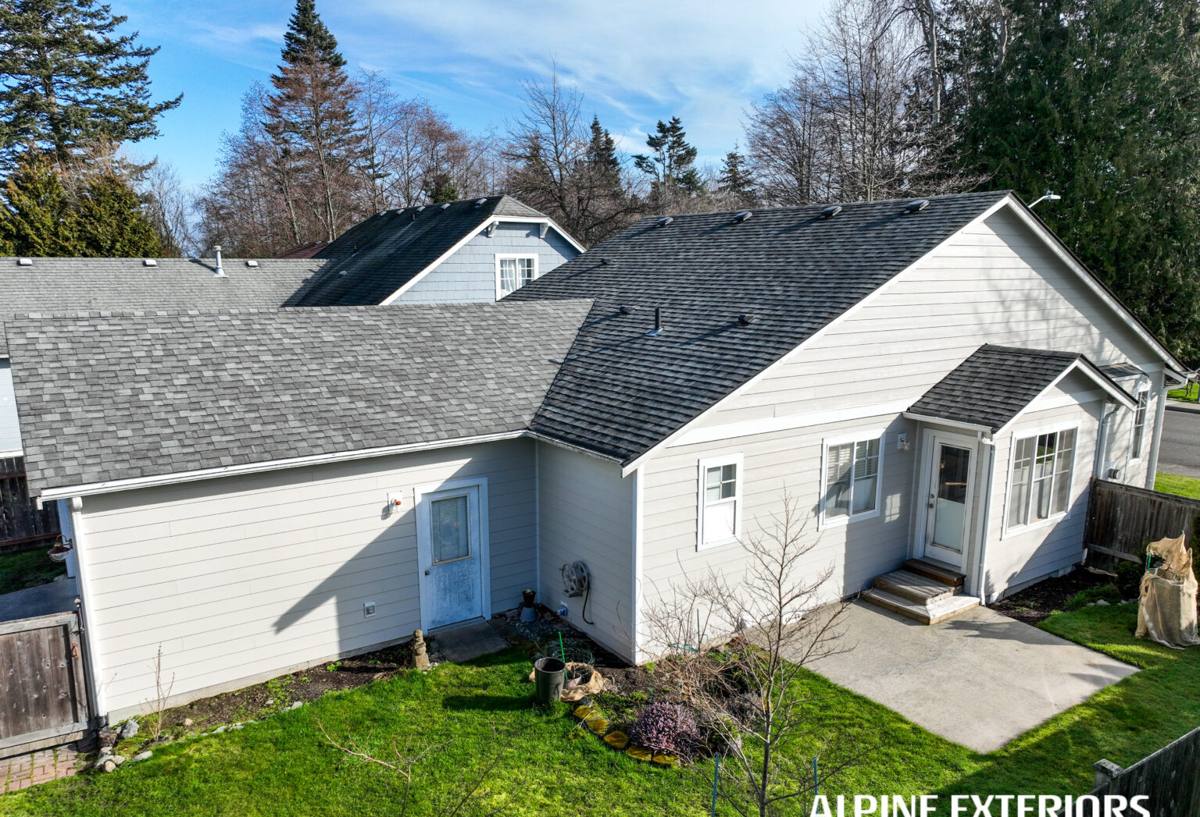
Why York Roofs Take a Particular Kind of Beating
Bellingham's storm damage isn't usually the dramatic kind you see in hurricane coverage. It's slower and more cumulative, which is exactly why it gets missed. Three things define what York roofs deal with:
Salt Air and Metal Fatigue
York sits close enough to Bellingham Bay that salt-laden air reaches roofs year-round, not just during storms. Salt air accelerates corrosion on exposed metal — flashing, drip edge, nail heads, and any older galvanized fasteners. A storm doesn't cause this corrosion, but it exploits it: a flashing seam that's already thinning from salt exposure is far more likely to fail during a wind-driven rain event than fresh metal would be.
Driving Rain, Not Just Rain
Whatcom County storms frequently bring wind-driven rain rather than straight-down rain. That distinction matters for roofing because driving rain gets pushed sideways and upward under shingle edges, around vent boots, and into any gap that a calm-weather rain would never reach. A roof that's "watertight" in normal conditions can still leak during a storm because the water is attacking from an angle the roof wasn't sealed against.
A Long Moss Season
Bellingham's moss season runs long — often eight months or more of conditions damp enough for moss and moisture-loving growth to establish on north-facing and shaded roof slopes, which are common on York's mature, tree-lined lots. Moss holds water against the roofing material, lifts shingle edges, and creates channels for wind-driven rain to exploit during a storm. A lot of what looks like sudden storm damage is actually moss-weakened roofing that finally gave way under storm stress.
What Storm Damage Actually Looks Like
Homeowners often expect storm damage to be obvious — a missing shingle, a visible hole. In practice, most of the storm damage repair calls we get in York involve less obvious problems that showed up as a leak days or weeks after the actual storm:
- Lifted or creased shingles along ridge lines and hips, where wind uplift is strongest
- Flashing pulled loose or bent at chimneys, skylights, and roof-to-wall intersections
- Granule loss from wind-blown debris, leaving bare asphalt exposed to UV and moisture
- Damaged or displaced vent boots and pipe collars, a common entry point for driving rain
- Gutter and downspout damage that redirects water back under the roof edge instead of away from it
- Moss mats torn loose by wind, taking granules and sometimes shingle tabs with them
- Fascia and soffit damage where wind pressure found a weak point at the roof edge
None of these require a full roof replacement on their own. But left alone through another storm cycle, any one of them turns into rot, insulation damage, or interior water staining — and that's when a repair job becomes a much bigger project.
Our Storm Damage Inspection Process
When we come out to a York property after storm damage is reported, we're not just looking for the obvious problem the homeowner called about. A storm rarely damages just one spot, and wind-driven rain has a way of finding secondary leaks that won't show up until the next storm if they're not caught now.
What We Check
- Roof surface, slope by slope — lifted, cracked, or missing shingles; granule loss patterns; nail pops
- All flashing points — chimney, skylight, sidewall, and valley flashing, checked for separation or corrosion
- Penetrations — vent boots, pipe collars, and any roof-mounted equipment, since these are common failure points in wind events
- Gutters and drainage — confirming water is actually leaving the roof rather than backing up under an edge
- Attic and interior signs — staining, damp insulation, or daylight visible through the decking, which point to leaks that haven't shown up on ceilings yet
- Moss and organic growth — identifying areas where moss has already compromised the shingle mat, since these are the spots most likely to fail in the next storm
We document everything with photos, which matters if the damage is significant enough to involve an insurance claim. We'll give a straight answer about what's storm-related, what's pre-existing wear, and what can reasonably wait — we don't pad a repair scope to make a job look bigger than it is.
What a Correct Repair Involves
Storm damage repair done right isn't just replacing what's visibly broken — it's making sure the repair holds up to the next storm, not just the current dry spell. That means:
- Matching replacement shingles as closely as possible in type, weight, and color to avoid a patchwork look and maintain consistent water-shedding performance
- Re-flashing rather than caulking over damaged flashing — sealant is a short-term patch, not a repair, on any flashing joint that's actually failed
- Checking and, where needed, replacing underlayment beneath the damaged area, since a torn or saturated underlayment layer will keep leaking even after the visible shingles are fixed
- Re-securing or replacing damaged fasteners with corrosion-resistant hardware, given how salt air shortens the life of standard galvanized nails in this area
- Clearing moss and treating the surrounding area so the repair isn't undermined by the same growth that likely contributed to the damage
- Confirming proper drainage around the repair so water is directed off the roof, not pooling against new material
A repair that skips any of these steps might look fine for a season, but it's set up to fail again in the next significant wind or rain event — which in Whatcom County isn't a rare occurrence.
Repair vs. Replacement: How We Decide
Not every storm-damaged roof needs full replacement, and we don't default to recommending one. The decision usually comes down to how much of the roof's remaining service life the storm damage has used up.
| Factor | Favors Repair | Favors Replacement |
|---|---|---|
| Extent of damage | Isolated to one slope or area | Spread across multiple slopes |
| Roof age | Roof is under 10-12 years old | Roof is near or past typical lifespan |
| Underlying condition | Decking and underlayment are sound | Rot, soft decking, or widespread moss damage found |
| Shingle match availability | Close match to existing shingle still possible | Shingle discontinued or significantly weathered/faded |
| Repair history | First significant repair on this roof | Multiple prior storm repairs in recent years |
If a roof is genuinely near the end of its service life, we'll say so directly rather than stacking another repair onto a roof that's going to need full replacement within a year or two anyway. That's a waste of money for the homeowner and it's not how we want to build a reputation in this neighborhood.
Insurance and Documentation
Significant storm damage — a fallen limb, widespread shingle loss, structural flashing failure — is often covered under homeowners insurance policies, though coverage details vary by policy and insurer. We're not adjusters and we don't represent that we can guarantee a claim outcome, but we can provide the documentation that makes a claim easier to support: dated photos, a written description of the damage, and an honest scope of repair. If you're unsure whether damage is significant enough to file a claim, it's worth having it inspected before deciding — some damage that looks minor from the ground turns out to be more extensive once we're actually up on the roof.
After-Storm Checklist for York Homeowners
After any significant wind or rain event, a quick check from ground level can tell you whether it's worth calling for an inspection:
- Shingles or shingle pieces visible in the yard or gutters
- Gutters pulling away from the fascia or sagging under debris
- Visible daylight gaps or dark patches on the roof surface from the ground
- New or worsening water stains on interior ceilings, especially near chimneys or skylights
- Musty smell in the attic, which can indicate moisture intrusion before visible staining appears
- Debris or moss mats dislodged and sitting in valleys or against the chimney base
Don't get on the roof yourself to check, especially after a storm when surfaces are wet and footing is unreliable — that's exactly the kind of situation a fall happens. A ground-level walk-around plus a professional inspection is the safer combination.
Why Local Experience in York Matters
Storm damage repair is one of those jobs where local knowledge genuinely changes the outcome. A crew that regularly works Bellingham roofs knows which flashing details tend to fail first on homes of a certain age, understands how the salt air off the bay affects fastener and metal choices, and recognizes moss damage patterns specific to this climate rather than treating every roof the same way a dry-climate crew might. We're not guessing at what Whatcom County weather does to a roof over time — it's what we see and repair regularly.
Get a Free, No-Pressure Estimate
If a recent storm has you wondering whether your York roof took damage, or you've noticed a new leak, gutter issue, or missing shingles, it's worth getting a straight assessment before the next storm finds the same weak spot. Fill out the form below for a free estimate — no pressure, no inflated scope, just an honest look at what your roof actually needs.