 Bellingham Roofing
 Windows in Cordata Face a Specific Set of Conditions
Cordata sits in north Bellingham, close enough to the water and the foothills that homes here get the full range of what Whatcom County weather throws at a building envelope: driving rain that comes in sideways during winter storms, salt-tinged air off Bellingham Bay, and long stretches of damp, shaded weather that keep moss and mildew active for most of the year. Windows are one of the first places that shows up. A window that was installed correctly, with the right flashing and the right materials, will shrug most of that off. A window that was installed with shortcuts will start telling on itself within a few wet seasons — soft trim, fogged glass, drafts, or a sill that never quite dries out.
This page is about window installation specifically for Cordata homes, not a generic overview. The mechanics of a correct install don't change from neighborhood to neighborhood, but the stakes do — in a marine climate with this much sustained moisture exposure, the margin for error on flashing and sealant work is thinner than it is in a drier region.
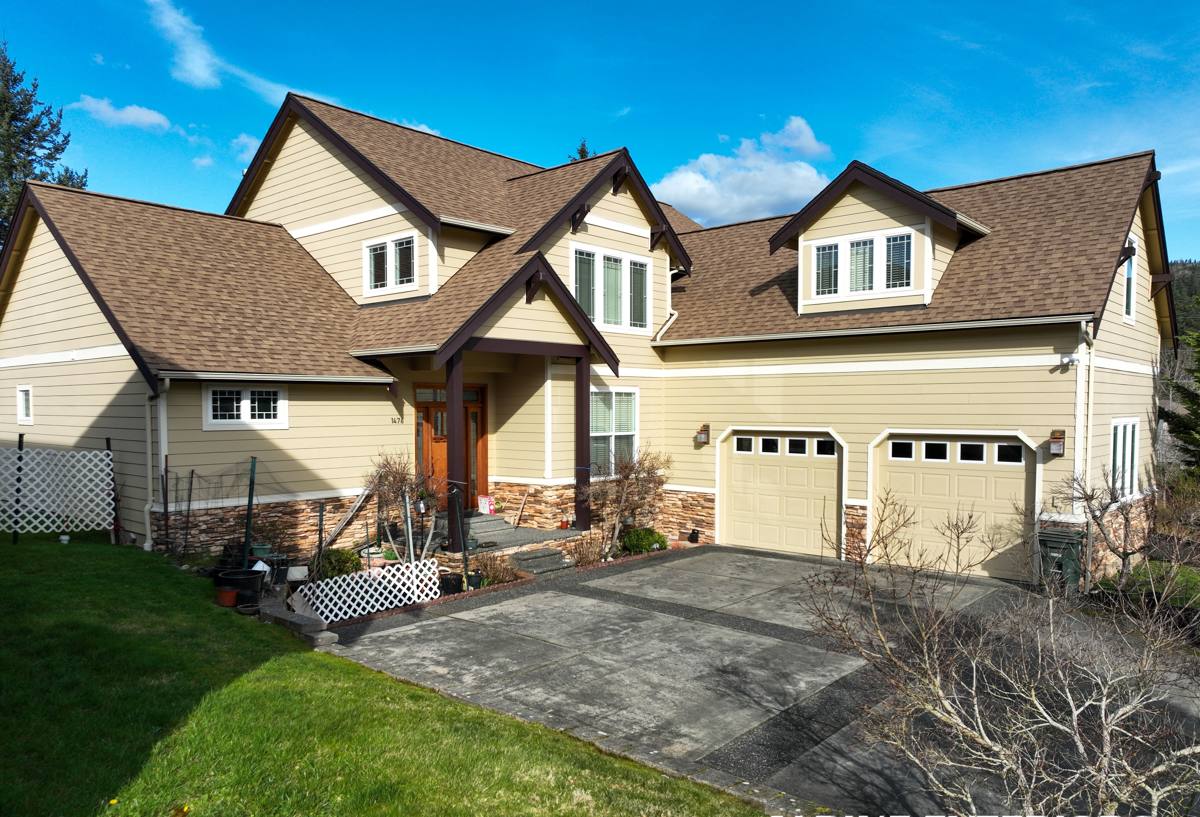
Common Window Problems We See on Local Homes
Whatcom County's mix of older ranch-era houses and newer construction means we see a wide range of window conditions in and around Cordata. A few patterns show up often enough to be worth calling out:
- Condensation between panes on older double-glazed units, a sign the seal has failed and the insulating gas has escaped
- Soft or discolored trim and sill wood, usually from long-term moisture intrusion around a poorly flashed frame
- Persistent moss or dark streaking on exterior sills and lower trim, which holds moisture against the wood far longer than open, sun-exposed surfaces
- Cold drafts at the sash or frame edge in older single-pane or early dual-pane windows
- Visible gaps or cracked caulk lines where the frame meets the siding, letting wind-driven rain track behind the cladding
Signs a Window Needs Replacing, Not Just Resealing
Not every issue calls for full replacement. Failed weatherstripping or cracked exterior caulk can often be repaired. But if the frame itself has soft or rotted wood, if the glass is permanently fogged, or if you can feel airflow through the sash even with it latched, resealing is just delaying the same repair. We'll tell you honestly which category a window falls into rather than selling a bigger job than the house needs.
What a Correct Installation Actually Involves
Window installation looks simple from the outside — old window out, new window in — but the part that determines whether it lasts is almost entirely hidden once the trim goes back on. In a climate that sees as much sustained rain as Whatcom County, the water management details matter more than the window itself.
Flashing and Weatherproofing
Every opening needs a sill pan or sloped sill flashing that directs any water that gets past the window back out, not into the wall cavity. Housewrap or building paper needs to be integrated with the window flange in the correct shingle-lap order — top piece over the one below it — so water sheds downward and outward the way gravity and wind-driven rain actually move on this coast. Skipping or reversing this order is one of the most common causes of hidden rot behind a window that looks fine from the street.
Frame Types We Work With
We install several frame materials depending on the home, budget, and how the existing opening is built. Each has real trade-offs worth understanding before you choose.
| Frame Material | Moisture Performance | Maintenance | Typical Lifespan |
|---|---|---|---|
| Vinyl | Won't rot; seams and welds are the main failure point | Low — occasional cleaning | 20–30 years |
| Fiberglass | Very stable in wet, temperature-swinging climates | Low | 30+ years |
| Wood-clad | Good if cladding and flashing are done right; interior wood needs protection | Moderate — exterior clad is low, interior finish needs occasional attention | 20–30 years with upkeep |
We don't push one material as universally "best." A wood-clad window can look right for an older Whatcom County home, but it demands more disciplined flashing and finish maintenance than vinyl or fiberglass. We'll walk through what fits your house and your tolerance for upkeep rather than defaulting to whatever's easiest to install.
Our Installation Process
The steps don't vary much project to project, but we don't skip any of them, and we don't rush the parts that get covered up.
- On-site assessment of each opening — checking for existing rot, out-of-square framing, or prior water damage before we quote anything
- Precise measurement of each window, since older Cordata homes often have openings that aren't perfectly standard sizes
- Careful removal of the old unit and inspection of the framing and sheathing behind it
- Repair of any rotted or compromised framing found during tear-out — this gets flagged and discussed with you before we proceed
- Installation of sill pan flashing and correctly lapped weather barrier integration
- Setting the new window level, plumb, and square, with proper shimming so it operates smoothly for years
- Insulating the gap around the frame without over-packing, which can bow the frame and cause operational problems
- Exterior sealant and trim work, and interior finish work to match the existing casing where possible
- Final walkthrough and operation check on every window before we call the job done
What Should Be Included in Any Quote
- Removal and disposal of old windows
- Framing inspection and repair pricing spelled out separately, not buried in the total
- Sill pan flashing and proper weather barrier integration — not just caulk around the flange
- Interior and exterior trim work
- Manufacturer warranty documentation and installer workmanship warranty terms in writing
Energy Performance in a Marine Climate
Whatcom County doesn't see the extreme cold of inland climates, but the combination of cool temperatures, high humidity, and near-constant cloud cover most of the year makes condensation control and consistent insulation more relevant than raw R-value chasing. Double-pane windows with a low-E coating and argon gas fill are the practical standard for most Cordata homes. Triple-pane can make sense on north-facing walls or homes right along wind-exposed corridors, but the added cost doesn't always pay back in this climate the way it might somewhere with harsher winters. We'll size the glass package to the actual exposure of each wall rather than upselling triple-pane across the board.
Cordata's Housing Mix and What It Means for Window Work
North Bellingham's Cordata area includes a range of housing stock, from older single-story homes built decades ago to newer construction from the last couple of building cycles. Older homes more often need framing repair discovered during tear-out, since original construction sometimes used less robust flashing details than current practice. Newer homes are more likely to have basic house wrap and flashing in place already, but that doesn't guarantee it was integrated correctly with the original windows — installation quality varies by builder and by year, not just by age of the home.
Either way, the fix is the same: assess what's actually behind the trim before quoting, and don't assume the existing flashing is adequate just because the home is newer.
Why a Crew That Already Works This Area Matters
A crew that regularly installs windows around Bellingham and Whatcom County has already seen how local moss growth behaves on north- and shade-facing sills, how wind-driven rain off the bay tends to hit certain wall orientations harder than others, and which flashing details actually hold up through a full wet season here versus on paper. That's not a marketing point — it changes real decisions on site, like where to add extra flashing attention or which sills need a slightly steeper slope to shed water fast enough. A crew unfamiliar with this climate can install a window correctly by a generic standard and still have it underperform here.
Maintenance After Your New Windows Are In
A correctly installed window still needs basic upkeep to get its full lifespan in this climate:
- Clear tracks and weep holes of debris and moss buildup at least once or twice a year
- Check exterior caulk lines annually for cracking or separation, especially after a hard winter
- Keep gutters and downspouts functioning well above windows, since overflow is a common source of water reaching the frame from above
- Wipe down sills periodically in shaded areas where moss and mildew tend to establish fastest
If you're weighing a window project for a Cordata home, we're happy to take a look and give you a straightforward, no-pressure estimate — including an honest read on whether repair or full replacement makes more sense for what you're seeing. Use the form below to get started.