 Bellingham Roofing
 Window Installation in Blaine: Built for Life on the Water
Blaine sits right on Semiahmoo Bay, at the very top of Whatcom County, and that location shapes everything about how windows perform here. Homes in Blaine take on wind and salt-laden air coming off the water, driving rain that blows in at an angle instead of falling straight down, and a long gray moss season that keeps everything damp for months at a time. Windows that were installed without accounting for that combination tend to fail early — fogging between panes, soft trim, sticking sashes, drafts that show up the first cold snap of the year.
We install windows across Whatcom County, and Blaine's coastal exposure is one of the more demanding environments we work in. This page covers what actually matters for a correct window installation in Blaine: what the climate does to windows over time, what a proper installation involves, the material and glass choices that make sense here, and what to expect when you work with us.
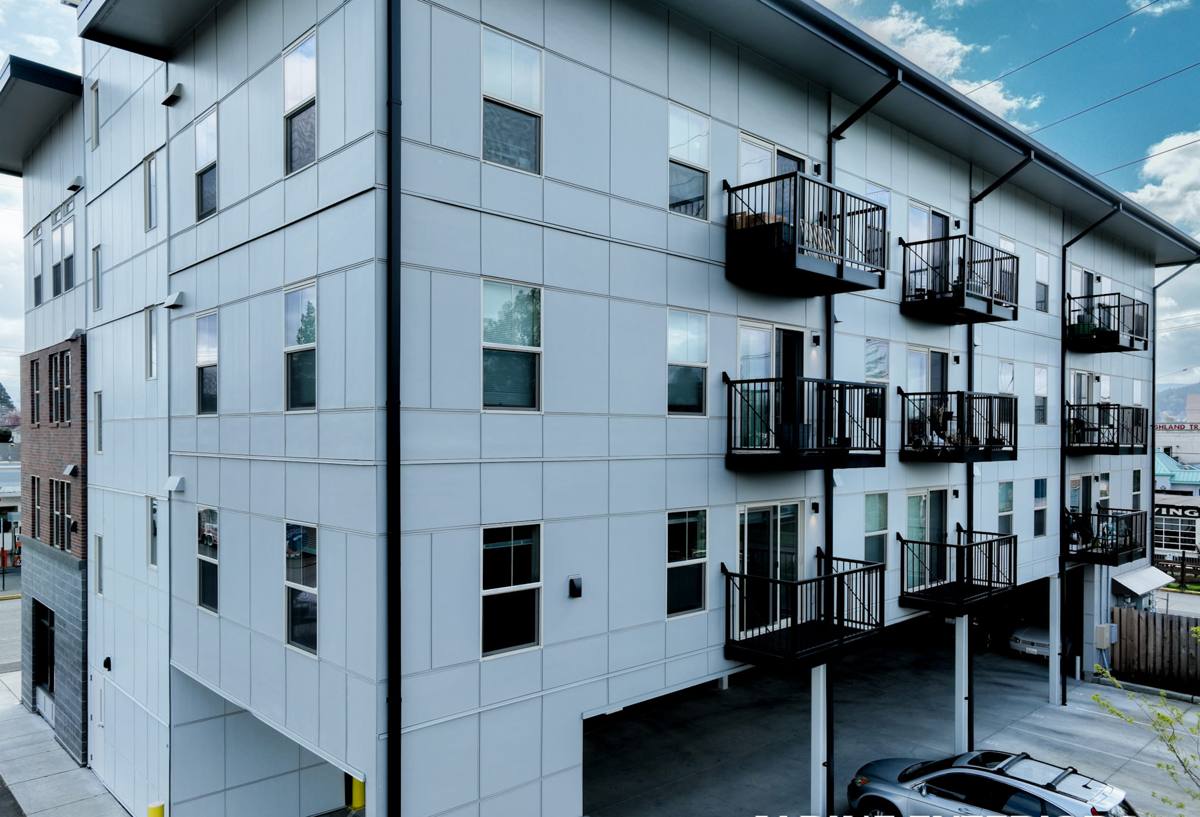
What Blaine's Coastal Climate Does to Windows Over Time
Every part of a window assembly is affected differently by salt air, wind-driven rain, and prolonged moisture exposure:
- Metal hardware and fasteners — salt air accelerates corrosion on hinges, cranks, locks, and screws that aren't rated for coastal exposure.
- Exterior trim and casing — wood trim that stays damp through a long moss season is more prone to rot if it isn't properly primed, sealed, and back-ventilated.
- Seals and gaskets — wind-driven rain pushes water at window seams from angles that light rain never tests. Weak sealant lines or poorly lapped flashing show their failures here first.
- Glass seals — insulated glass units near the water are under more thermal and moisture stress, and a marginal seal will fog sooner than the same unit installed a few miles inland.
None of this means windows can't hold up in Blaine — it means the materials, hardware, and installation details need to be chosen with that exposure in mind from the start, not treated as an afterthought.
Signs Your Blaine Home Needs New Windows
Some of these show up gradually, which is why they get ignored until a window is failing outright. Worth checking for:
- Fog, moisture, or a milky film between panes of double-pane glass — the seal has failed and can't be repaired, only replaced
- Visible corrosion or stiffness in locks, cranks, or hinges
- Soft, discolored, or peeling wood trim around the window frame
- Drafts you can feel with a hand near the sash, especially during a windy rain
- Windows that are difficult to open, close, or lock — frames can shift as wood swells and dries with the seasons
- Condensation forming on the inside of the glass regularly through fall and winter
- Visible daylight or gaps around the frame from outside
If you're seeing two or more of these on the same window, it's usually more cost-effective to replace than to keep patching.
What a Correct Window Installation Actually Involves
It's Not Just the Window — It's the Water Management Around It
The window unit itself is often the easy part. What determines whether an installation holds up in a place like Blaine is the flashing and sealing detail around the opening — the parts you don't see once the trim goes back on.
A correct installation includes:
- Removing the old window and inspecting the rough opening, sill, and surrounding framing for hidden rot or water damage before anything new goes in
- Repairing or replacing any damaged framing — installing a new window into a compromised opening just hides the problem
- Installing sill pan flashing so any water that does get past the window has a path back out, instead of sitting against the wood
- Properly lapping house wrap, flashing tape, and window flanges in the correct order (bottom to top) so water always sheds downward and outward
- Setting the window level, plumb, and square, then securing it per the manufacturer's fastening schedule — not just a few screws wherever convenient
- Sealing and insulating the gap between the window frame and the rough opening with the right materials, avoiding gaps or over-packed insulation that can bow the frame
- Finishing with weather-resistant exterior sealant and trim that's back-primed and properly caulked, not just caulked on the visible face
Skip any one of these steps and the window can still look fine for a year or two before problems show up — usually as rot, a soft spot in the siding, or a drafty room during the next windstorm off the bay.
Choosing the Right Window Materials for a Coastal Home
There's no single "best" window material — it depends on your home's exposure, your maintenance appetite, and your budget. Here's how the common options hold up in Blaine's conditions:
| Material | How It Handles Salt Air & Moisture | Maintenance | Typical Trade-Off |
|---|---|---|---|
| Vinyl | Won't rot or corrode; hardware quality varies by manufacturer | Low — occasional cleaning | Fewer color/finish options than wood or fiberglass |
| Fiberglass | Very stable in temperature swings and moisture; dimensionally strong | Low | Higher upfront cost than vinyl |
| Wood-clad | Good if the exterior cladding is intact; interior wood needs protection from condensation | Moderate to high | Cladding failure or seam gaps let moisture reach the wood core |
| Aluminum | Strong but conducts cold and can corrode without a marine-grade finish | Moderate | Prone to condensation and energy loss without thermal breaks |
For most Blaine homes, we lean toward vinyl or fiberglass frames with corrosion-resistant hardware, simply because they hold up with the least maintenance in salt air. If you want the look of real wood, wood-clad windows can absolutely work — they just need attentive caulking and periodic inspection where the cladding meets the frame, since that's the point where coastal moisture finds a way in.
Glass Considerations
Double-pane, low-E glass is the standard for good reason — it cuts heat loss and blocks a meaningful amount of UV without a large cost jump over single-pane. Triple-pane glass adds another layer of insulation and sound dampening, which is worth considering for rooms facing prevailing wind and traffic noise, but it adds weight and cost that isn't necessary on every window in the house. We'll walk through where triple-pane makes sense for your specific home rather than pushing it across the board.
Our Window Installation Process
- On-site assessment. We look at your existing windows, framing condition, and the home's specific exposure to wind and water before recommending anything.
- Honest recommendation. We'll tell you which windows need replacing now, which can wait, and which materials make sense for your budget and exposure — not the most expensive option by default.
- Measure and order. Windows are measured precisely for your openings; we don't force-fit stock sizes into out-of-square framing.
- Removal and inspection. Old windows come out carefully, and we check the rough opening for hidden rot or water damage before installing anything new.
- Installation with proper flashing and sealing. This is where most of the long-term performance is decided, and it's the step we don't rush.
- Interior and exterior finish work. Trim, caulking, and touch-up are completed to a clean, weather-tight standard.
- Final walkthrough. We test operation, check seals, and make sure everything is right before we consider the job done.
What Affects the Cost of Window Installation in Blaine
Every home is different, but the main variables that move the price are consistent. We give firm, itemized quotes after an on-site look — not a phone estimate — but this is generally what drives cost up or down:
| Factor | Why It Matters |
|---|---|
| Number and size of windows | Larger openings and full-home replacements have more material and labor per project, though per-window cost often drops with volume |
| Frame material | Vinyl is typically the most budget-friendly; fiberglass and wood-clad cost more upfront |
| Glass package | Standard low-E double-pane vs. triple-pane or specialty coatings changes cost per unit |
| Condition of the existing opening | Hidden rot or framing repair adds labor that can't always be known until the old window is out |
| Access and site conditions | Second-story windows, tight setbacks, or landscaping obstacles affect labor time |
| New construction vs. replacement | Retrofitting into existing siding and trim is a different scope than installing into open framing |
Broadly speaking, homeowners should expect a wide range depending on these factors — a single vinyl replacement window is a very different project than a whole-house upgrade to fiberglass with triple-pane glass. We'll give you real numbers once we've seen the home.
Why It Matters That We Already Work in Blaine
A crew that's worked windows in Blaine already understands things a general contractor from outside the area has to learn on the job: how wind off the bay hits certain elevations of a house harder than others, how long moss season really runs in this part of Whatcom County, and which flashing details actually hold up against driving coastal rain rather than just passing a dry-day inspection. That familiarity shows up in fewer surprises during the job and fewer callbacks after it.
It also means we're realistic with you about timing. Window installation is weather-dependent work — openings are exposed to the elements for at least part of the day — and a crew that knows Blaine's weather patterns can schedule around the worst of it instead of gambling on a forecast.
Maintaining Your Windows After Installation
Good installation buys you a long service life, but a little upkeep protects that investment, especially this close to the water:
- Rinse salt residue off frames and glass periodically, particularly after storms
- Keep weep holes (the small drainage openings along the bottom of the frame) clear of debris and moss
- Inspect exterior caulking annually and touch up any cracked or separated sealant before winter rains set in
- Operate hardware occasionally through the off-season so locks and cranks don't seize up
- Watch for moss or algae buildup on sills and trim, and clean it off before it holds moisture against the wood
If your windows in Blaine are drafty, fogged, hard to operate, or you're just planning ahead for a home that's been standing up to coastal weather for years, we're glad to take a look. We'll give you a straightforward assessment and a free, no-pressure estimate using the form below.