 Bellingham Roofing
 Storm Damage Roof Repair for Sudden Valley Homes
Sudden Valley sits in the trees along Lake Whatcom, southeast of Bellingham, and that setting is a big part of why storm damage shows up differently here than it does on a bare rooftop out on open ground. Mature tree canopy, hilly terrain, and long stretches of shade combine with Whatcom County's marine climate — driving rain, gusty winter storms, and a moss season that never really ends — to put a specific kind of wear on Sudden Valley roofs. Repairing that damage correctly means understanding those conditions, not just patching whatever is visible from the ground.
We work storm damage calls throughout the Bellingham area, and Sudden Valley's mix of wooded lots and lake-influenced weather is a pattern we recognize quickly. That familiarity matters when you're trying to get a damaged roof assessed, documented, and repaired before a follow-up storm turns a manageable problem into a bigger one.
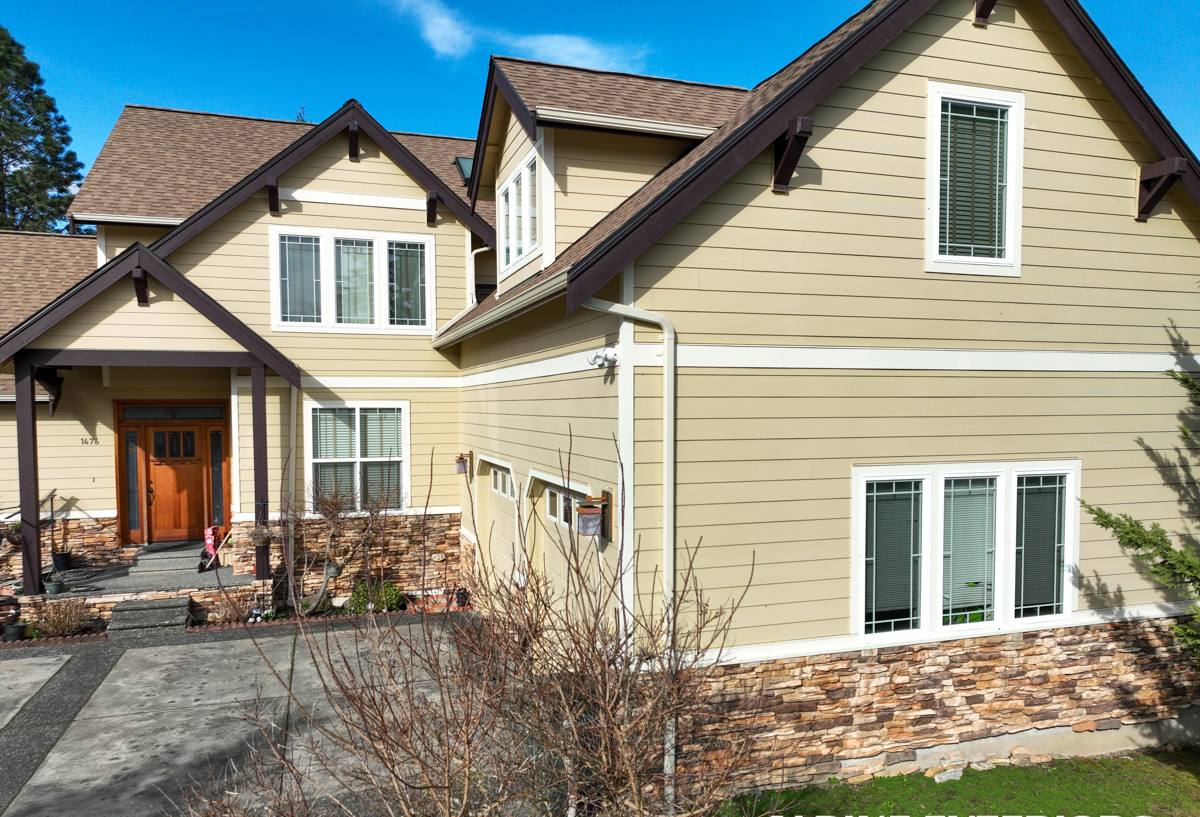
Why Storms Hit Sudden Valley Roofs the Way They Do
Tree Cover and Wind-Driven Debris
The same trees that make Sudden Valley a desirable place to live are also the leading cause of storm damage there. High wind events don't need to be dramatic to do harm — a gust strong enough to snap a limb thirty feet up can put real force behind it by the time it lands on a roof plane. Smaller debris, needles, and cones collect in valleys and behind chimneys year-round, and after a storm that debris load often doubles or triples overnight.
Driving Rain and Wind Direction
Storms moving across the lake and up through the valley don't always hit a roof straight down. Wind-driven rain gets pushed sideways under shingle tabs, into open flashing seams, and up under ridge caps that would shed a normal vertical rain without issue. This is one of the most common reasons a homeowner sees an interior leak after a storm with no obvious hole or missing shingle to explain it.
Shade, Moisture, and Moss
Because so much of Sudden Valley sits under tree cover, roofs here dry out slower than roofs in open, sun-exposed parts of Whatcom County. That extra moisture retention is exactly what moss and moss-related algae need to establish. Moss on its own is a maintenance issue, but moss that's been growing under a storm-loosened shingle edge accelerates rot in the decking beneath it — which is why storm repairs in this neighborhood often turn up moss damage that predates the storm itself.
What Actually Counts as Storm Damage
Not every roof problem after a storm is storm-caused, and part of doing this job honestly is telling the difference. Storm damage is damage with an identifiable, sudden cause — wind, impact, or wind-driven water — as opposed to gradual wear that a storm simply exposed. Common storm-related findings on Sudden Valley roofs include:
- Shingles lifted, creased, or torn loose at the tab by wind uplift
- Impact damage from falling branches — cracked shingles, dented vents, or punctured decking
- Flashing pulled away or bent at chimneys, skylights, and roof-to-wall transitions
- Granule loss and bruising from wind-blown debris, which shows up as bare patches
- Ridge cap or hip shingles blown off along the roof's high points
- Gutter and fascia damage from limb strikes, which can affect roof edge drainage
Separately, we'll flag pre-existing wear — brittle shingles, moss-softened decking, worn boot flashings — because a storm often just finds the weakest point on a roof rather than creating a new one. You deserve to know which is which, especially if you're deciding whether to file an insurance claim.
What a Correct Storm Repair Involves
A storm repair that's done right isn't just replacing what's visibly broken. It starts with getting eyes on the whole roof — not just the damaged section — because wind and impact damage rarely stays confined to one spot. A proper repair covers:
Full-Roof Inspection, Not Just the Obvious Spot
We check the entire roof plane by plane, including areas a homeowner can't see from the ground, before scoping a repair. A single visible tear is often accompanied by lifted tabs nearby that haven't fully separated yet but will in the next windstorm.
Decking and Underlayment Check
If water got under the shingle layer, the decking underneath needs to be checked for soft spots or rot before new shingles go back on. Covering damaged decking with new shingles just hides the problem until it reappears as a ceiling stain.
Matching Materials Correctly
Shingle color and profile change over time with UV exposure, so a patch repair on an older roof won't always blend in perfectly — we'll tell you honestly what to expect rather than promise an invisible match we can't deliver.
Flashing and Ventilation, Not Just Shingles
Wind-driven rain damage is frequently a flashing problem, not a shingle problem. We re-seat or replace flashing at penetrations and transitions as part of the repair, and we check that ridge and soffit ventilation weren't compromised, since damaged ventilation contributes to the moisture buildup that feeds moss and rot.
Repair vs. Replacement: How We Make the Call
| Factor | Leans Toward Repair | Leans Toward Replacement |
|---|---|---|
| Extent of damage | Isolated to one section or slope | Spread across multiple planes |
| Roof age | Under roughly half its expected life | Near or past expected service life |
| Decking condition | Solid, dry decking under the damage | Soft, rotted, or moss-compromised decking |
| Material availability | Matching shingles still obtainable | Discontinued or badly weathered mismatch |
| Underlying moss/wear | Minimal prior moss or granule loss | Significant pre-storm moss or wear found |
We walk through this with you plainly. If a repair will genuinely hold up given your roof's age and condition, we'll say so — we don't push replacement on a roof that a proper repair can fix.
Our Process for Sudden Valley Storm Calls
1. Fast, Honest Assessment
We inspect the roof, document what we find with photos, and give you a clear explanation of the damage and options — no pressure, no upsell.
2. Temporary Protection When Needed
If a roof has active exposure — a hole, a large area of missing shingles, or damaged flashing letting water in — we can put temporary protection in place to stop further water intrusion while a permanent repair is scheduled.
3. Insurance-Ready Documentation
If you're filing a claim, we provide the kind of documentation adjusters expect: dated photos, a written scope of damage, and a clear description of cause. We work from the same roof either way — our job is an honest assessment, not a number inflated for a claim.
4. The Repair Itself
Once scope is agreed on, we complete the repair with materials matched as closely as possible to your existing roof, including flashing, ventilation, and decking work where needed — not just a shingle swap.
5. Debris and Site Cleanup
Storm repairs generate more debris than routine roof work — old shingles, damaged flashing, and often tree limbs. We clear the work area and the ground around it before we leave.
Why Local Storm Experience Matters in Sudden Valley
Sudden Valley's private, HOA-governed streets and wooded lots mean access and logistics aren't always as simple as a typical Bellingham address — trailers, ladders, and material staging need to be planned around narrower roads and tree cover. A crew that's already worked this neighborhood knows what to expect before the truck arrives, which means less time spent figuring out logistics and more time spent on the roof.
Just as important is pattern recognition. A crew that's repaired a handful of Sudden Valley roofs after a storm has usually already seen how wind funnels through that particular terrain, which roof orientations take the worst of the driving rain, and which shaded slopes are most prone to moss-related decking damage. That experience shortens the diagnostic part of the job and reduces the chance of a callback for damage that was missed the first time.
After a Storm: What to Check and Do
- Stay off the roof — storm-damaged roofing and wet, moss-covered surfaces are a fall hazard
- Photograph any visible damage from the ground, including fallen limbs near the roofline
- Check the attic or top-floor ceilings for new stains, damp spots, or drips
- Note the date and rough time of the storm for insurance purposes
- Clear gutters and downspouts of debris if it's safe to do so from ground level
- Avoid tarping or DIY repairs on a steep or wet roof — call a professional instead
- Get an inspection promptly; a small storm-loosened area left through another rain event or windstorm tends to get worse fast
Preventing the Next Storm From Doing More Damage
Once a storm repair is done, a few maintenance habits go a long way in a canopy-heavy neighborhood like Sudden Valley. Keeping overhanging limbs trimmed back reduces both impact risk and the shade that feeds moss growth. Periodic moss treatment and gentle debris removal — done without pressure-washing, which can strip granules and shorten shingle life — keeps valleys and gutters clear so wind-driven rain has somewhere to go. And a roof that's already a little worn going into storm season is worth a pre-storm check, since it's far cheaper to address a weak spot before wind finds it than to repair the damage after.
Get a Free, No-Pressure Estimate
If your Sudden Valley home has visible storm damage — or you just want a roof checked out after a rough windstorm — we're glad to take a look and give you a straight answer about what it needs. Fill out the form below for a free estimate; there's no obligation and no pressure to move forward until you're ready.