 Bellingham Roofing
 Window Replacement Built for Sunnyland's Weather
Sunnyland sits close enough to Bellingham Bay that salt-laden air reaches window frames and hardware year-round, and it takes the same driving rain and long, damp moss season that the rest of Whatcom County deals with every winter. That combination is hard on windows in ways that don't always show up right away. Seals fail quietly. Aluminum and steel hardware pits and corrodes. Wood sashes that look fine from the curb can be soft at the bottom rail. If you're planning a window replacement in Sunnyland, the job needs to account for all of that, not just swap old glass for new.
This page is about window replacement specifically for homes in this neighborhood — what the climate does to windows here, what a correct installation looks like, and how we run the job from estimate to cleanup.
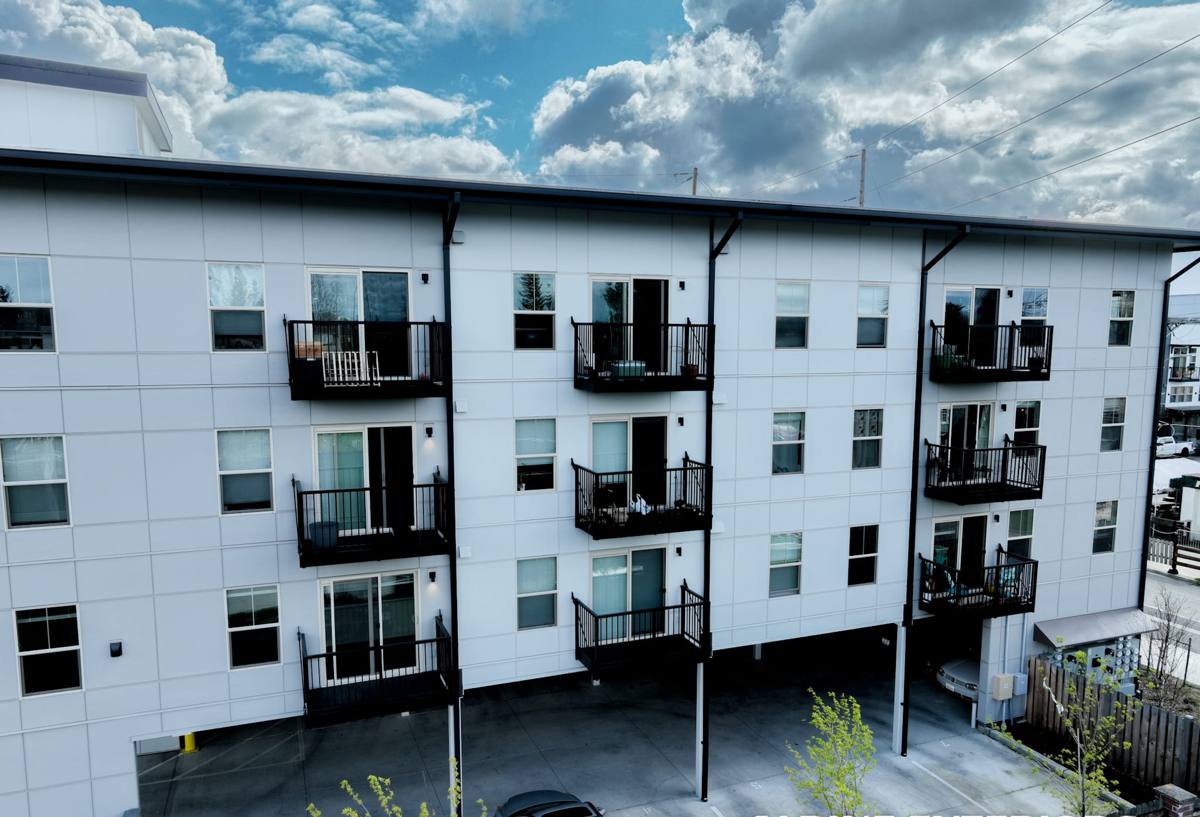
What Bellingham Bay Weather Does to Windows
Salt Air and Metal Hardware
Homes closer to the water deal with airborne salt that settles on window exteriors and works into hinges, locks, and cranks. Over years, that accelerates corrosion on lower-grade hardware and can pit aluminum frames faster than you'd see a few miles inland. It's one reason we pay attention to hardware finish and frame material when we scope a replacement here, not just the glass package.
Driving Rain and Wind-Driven Water
Whatcom County storms don't just drop rain straight down — wind pushes it sideways into window assemblies, testing flashing and sealant joints that a calmer climate would never stress. A window that's watertight in a light shower can still leak during a sideways winter storm if the flashing detail underneath is wrong. This is almost always an installation issue, not a product defect, which is why we spend more time on flashing than on brand name.
Moss, Shade, and Trapped Moisture
Sunnyland's tree cover and long gray season keep north- and shade-facing walls damp for months at a stretch. Moss and algae don't just grow on roofs — they take hold on window sills, trim, and cladding that stays wet, and that constant moisture accelerates wood rot at the bottom of frames and sills long before glass or seals fail. A window replacement in a shaded spot needs sill and trim details that shed water fast, not just a new sash dropped into an old, softening opening.
Signs a Sunnyland Home Needs New Windows
Some of these show up gradually, which is why homeowners often live with a failing window for a year or two before addressing it. Watch for:
- Fogging or a permanent haze between panes — the seal has failed and the gas fill (if any) is gone
- Soft, spongy wood at the sill or bottom corners of the frame
- Windows that are hard to open, close, or lock, especially after a cold snap
- Visible daylight or a draft you can feel with your hand along the frame edge
- Condensation forming on the inside of the glass regularly through fall and winter
- Paint that's bubbling or peeling only around the window opening, not the rest of the wall
- A noticeable jump in heating costs with no other explanation
- Visible corrosion, pitting, or a chalky white residue on aluminum frames or hardware
Any one of these can be a minor fix. Several together usually means the window and its surrounding frame have reached the point where patching costs more, over time, than replacing.
What a Correct Window Replacement Job Involves
It Starts Underneath, Not With the Window
The window itself is often the easy part. What determines whether it leaks in five years is the flashing, the moisture barrier behind the trim, and how the new unit ties into the existing wall assembly. On a home dealing with wind-driven rain and salt air, we treat the opening — not just the window — as the thing we're repairing. That means checking the sheathing and framing around the opening for rot before anything new goes in, and using flashing and sealant details that are built for sideways rain, not just vertical.
Full-Frame vs. Insert (Pocket) Replacement
There are two basic approaches, and the right one depends on the condition of your existing frame:
- Insert replacement fits a new window into the existing frame, keeping your exterior trim intact. It's faster and less invasive, and it's the right call when the existing frame is still solid and square.
- Full-frame replacement removes the window down to the rough opening, including the old frame. It costs more and takes longer, but it's the only correct option when there's rot, the frame is out of square, or you're changing the window's size or style.
We tell homeowners honestly which one their windows need. Pushing an insert into a frame with hidden rot just seals moisture damage behind new trim — it looks fixed and isn't.
Frame Material
Material choice matters more here than in a drier climate, because of the combination of salt exposure, constant moisture, and temperature swings between damp winters and warm summer days.
| Frame Material | How It Handles Bellingham's Climate | Maintenance |
|---|---|---|
| Vinyl | Won't rot or corrode from salt air; performs well in wet climates at a moderate price | Low — occasional cleaning |
| Fiberglass | Very stable through temperature and moisture swings; strong resistance to corrosion | Low |
| Wood (clad exterior) | Warm appearance, but the exterior clad layer must stay intact — any breach exposes wood to constant damp | Higher — watch cladding seams and sills |
| Bare aluminum | Prone to pitting and corrosion in salt-influenced air over time; we generally steer homeowners away from it here | Higher — hardware and finish need monitoring |
We're not against any manufacturer's product line — the tradeoff with bare aluminum is a maintenance and corrosion issue in this specific coastal-influenced climate, not a defect. It's a standard we apply because of what salt air and constant moisture do to that particular material over the long run.
Choosing Glass for Sunnyland's Climate
Glass package matters as much as frame material for comfort and condensation control in a climate this damp and gray.
Double vs. Triple Pane
Double-pane, Low-E glass with argon gas fill is a solid baseline and the most common choice for Whatcom County homes. Triple-pane adds another layer of insulation and can help reduce interior condensation on the coldest, wettest weeks of the year, at a higher cost and added weight — worth discussing if your home has a history of condensation problems or faces a shaded, damp side of the property.
Low-E Coatings
Low-E coatings reduce heat loss through the glass and cut down on UV fading of interior floors and furniture — useful in a climate where windows stay closed against rain for long stretches and interior humidity has fewer chances to vent out.
Our Process, Start to Finish
1. On-Site Assessment
We look at each window opening individually — not just the glass, but the sill, trim, and framing behind it — and flag anything that needs full-frame replacement versus insert.
2. Straightforward, Written Estimate
You get a clear breakdown by window, material, and labor, with no pressure to decide on the spot.
3. Correct Installation
Flashing and moisture barrier details first, window second, trim and finish work last — in that order, every time.
4. Cleanup and Walkthrough
We walk every window with you before we consider the job done, and clear the site of old windows and debris.
Why Hire a Crew That Already Works in Sunnyland
A crew that already works this neighborhood knows what to expect before they pull the first old window: which orientations tend to hold moisture longest, what Whatcom County permitting requires for window changes on older homes, and how local weather patterns stress an installation over its first winter. That's not something a crew unfamiliar with the area picks up from a single job. It shows up in fewer callbacks and fewer surprises once the first real storm season hits.
It also matters for scheduling and follow-up. A local crew can get back out to check a window after a hard storm, address a warranty question in person, or fit a project around Bellingham's weather windows instead of working around a long drive.
What Drives Window Replacement Cost
| Factor | Why It Affects Price |
|---|---|
| Insert vs. full-frame | Full-frame requires more labor, trim work, and sometimes framing repair |
| Frame material | Vinyl is typically the most affordable; fiberglass and clad-wood cost more upfront |
| Glass package | Triple-pane and specialty coatings add cost over standard double-pane Low-E |
| Number and size of openings | Larger or custom-sized windows cost more than standard sizes |
| Hidden rot or framing damage | Discovered damage adds repair labor and materials once the opening is exposed |
| Access and site conditions | Upper-story or hard-to-access windows take longer to install safely |
Every home is different, and the only accurate number comes from actually looking at your windows. We give a broad range on request, but a firm quote always follows an on-site look.
Protecting Your Investment After Installation
New windows still need basic upkeep in this climate, especially on shaded or bay-facing walls:
- Clean sills and tracks a couple of times a year to keep moss and organic debris from holding moisture against the frame
- Check exterior caulking annually, particularly after a hard winter, and touch up any cracked or separated joints
- Wipe down hardware occasionally if your home is close to the water, since salt residue accelerates wear on cranks and locks
- Keep gutters and downspouts clear so runoff isn't sheeting directly across window heads
None of this takes much time, but skipping it is how a well-installed window ends up with the same moisture problems as the one it replaced.
If your Sunnyland home has windows showing any of the signs above, or you're just ready to stop feeling drafts every winter, we're happy to take a look. Use the form below to request a free, no-pressure estimate — we'll tell you honestly what your windows need and what it'll cost to fix it right.