 Bellingham Roofing
 New Construction in Silver Beach: Getting Windows Right From the Start
Building new in Silver Beach means you get one real shot at doing the window installation correctly before siding, trim, and interior finishes close everything up. Unlike a replacement job on an older home, there's no way to "fix it later" without tearing into finished work. The framing, flashing, and window-to-wall connections you get during construction are the ones your home will live with for decades, through wet Whatcom County winters and everything a Bellingham storm season throws at a house.
We work new-construction window installs in Silver Beach alongside builders and homeowners who want the job done once, done right, and documented so it holds up to inspection and to the weather. This page covers what that actually involves.
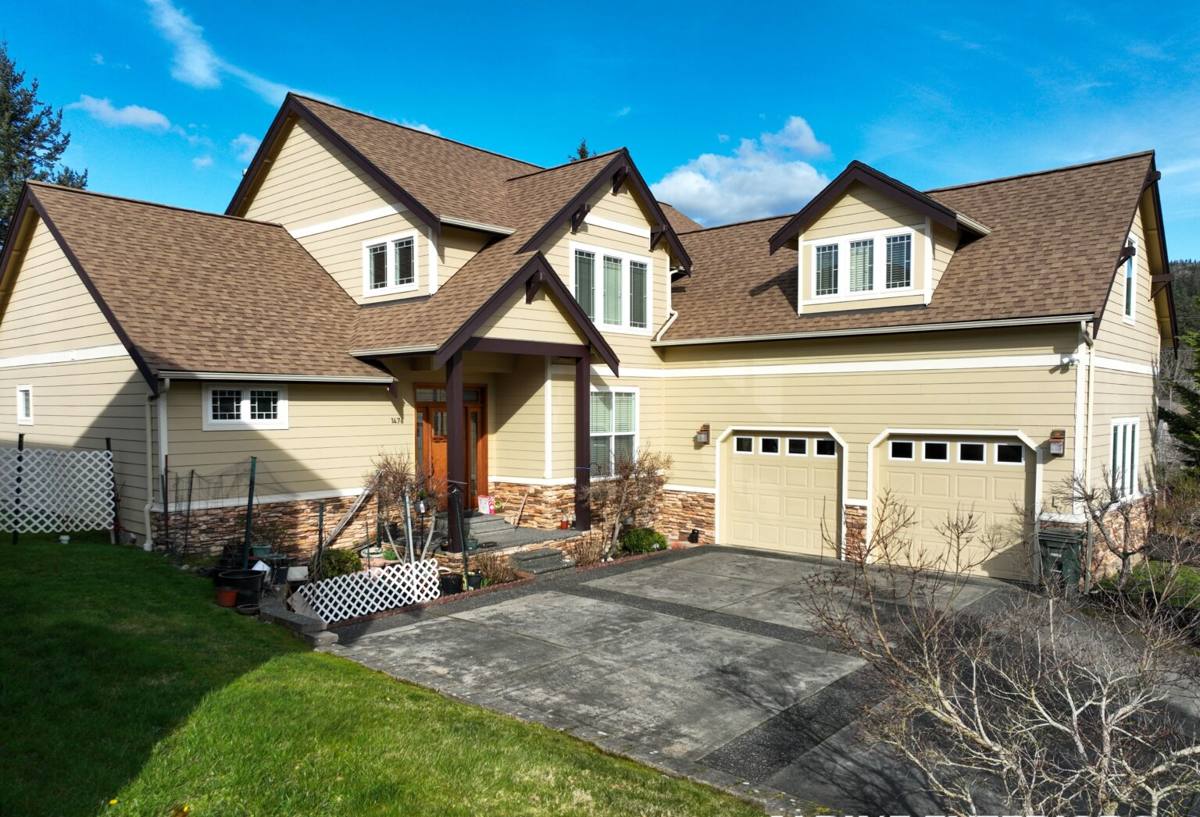
New-Construction vs. Replacement: Why the Job Is Different
A lot of homeowners assume windows are windows. On a new build, they're not installed the same way as a replacement window in an existing wall, and the difference matters for how well the house stays dry.
- New-construction windows have a nailing fin (or flange) around the frame that gets integrated directly into the wall's weather-resistive barrier (WRB) before siding goes on.
- Replacement windows are typically installed into an existing opening without disturbing the surrounding wall, relying more on the old flashing and trim already in place.
- New construction gives us access to the rough opening, the sheathing, and the WRB layer directly — which means the flashing detail can be built in properly instead of retrofitted.
- Timing matters: install too early and the opening isn't ready; too late and you're fighting the builder's schedule or exposed sheathing that's already taken on moisture.
Because the opening is exposed during a new build, mistakes at this stage — a skipped flashing step, a gap left in the WRB overlap, a fastener in the wrong spot — get sealed behind siding and can take years to show up as a leak. Getting it right the first time is the whole game.
What Bellingham's Climate Demands From a New Window Install
Whatcom County's marine climate is mild compared to a lot of the country, but "mild" doesn't mean easy on a house. Silver Beach homes deal with damp air off the water, wind-driven rain that doesn't fall straight down, and a moss season that can stretch from early fall through late spring. New-construction windows need to be installed with all three in mind.
Salt Air and Metal Components
Homes closer to Bellingham Bay and the water pick up salt-laden air that accelerates corrosion on unprotected metal — fasteners, flashing tape edges, and hardware. We spec corrosion-resistant fasteners and flashing materials rated for coastal exposure rather than the cheapest stock option, because a corroded fastener at a window flange is a slow leak waiting to happen.
Wind-Driven Rain and Flashing
Rain in this region rarely falls straight down. Wind pushes it sideways and up under sills and trim, which means flashing has to be built to shed water outward and downward at every layer, not just sit there as a barrier. A window installed to a drier-climate standard will eventually let water track back into the wall assembly here.
Moss, Algae, and Shade
Between tree cover and the long stretch of overcast, wet months, moss and algae growth on window sills, trim, and nearby surfaces is a fact of life in this area. It's mostly a maintenance issue, but it's also a signal — persistent moisture sitting on a sill or trim board means water isn't draining away the way it should, which is exactly what correct flashing and sill pan work is meant to prevent.
Doing the Water Management Right
This is the part of a new-construction window install that matters most and shows the least once the house is finished. Everything below happens before the window is even visible from outside.
Sill Pan Flashing
Every opening gets a sloped or pan-style flashing at the sill before the window ever goes in. This gives any water that gets past the window — and some always will, eventually — a way to drain back out to the exterior instead of soaking into the framing.
Integrating With the Weather-Resistive Barrier
The window's flashing has to shingle-lap correctly with the house's WRB: each layer overlapping the one below it so water is always directed outward and down, never trapped behind a layer above it. This is the step that gets rushed on a tight schedule, and it's the one we won't skip.
Head Flashing and Drip Caps
Above the window, a properly lapped head flashing or drip cap keeps water running down the wall from ever reaching the top of the frame. Combined with correct sill and jamb flashing, this creates a continuous drainage path around the entire opening.
Choosing Frame Materials and Glass for This Climate
There's no single "best" window brand — what matters more is choosing a frame material and glass package that fits how wet and humid it gets here, and having it installed correctly. We'll walk through the honest trade-offs rather than push one product line.
| Frame Material | Moisture Behavior | Maintenance | Typical Fit for Silver Beach |
|---|---|---|---|
| Vinyl | Doesn't rot or corrode; expands/contracts with temperature | Low | Solid, budget-friendly option for most new builds |
| Fiberglass | Very stable in wet/humid swings, minimal expansion | Low | Strong long-term choice near the water |
| Wood-clad | Interior wood look with an exterior-clad shell; clad must stay intact to protect the wood | Moderate | Works if flashing and clad seams are installed and maintained carefully |
| Aluminum | Durable but conducts heat/cold and can corrode without proper coating near salt air | Moderate | Better suited to non-marine-exposed areas or with marine-grade coatings |
On glass: most Silver Beach homes do fine with a quality dual-pane, low-E unit. Triple-pane adds cost and is more common in colder inland or mountain climates where the extra insulation value pays off faster; here it's more of a comfort and noise-reduction upgrade than a necessity. We'll size the glass package to your budget and to how the window is oriented — a west-facing wall catching afternoon sun and driving rain has different needs than a sheltered north wall.
Our Process for Silver Beach New Construction
- Plan review — we look at the window schedule and rough opening sizes before framing locks in, catching sizing or placement issues early.
- Builder coordination — we schedule around your general contractor's timeline so windows go in at the right point: after sheathing and WRB, before siding.
- Rough opening check — we verify openings are square, correctly sized, and dry before setting a single window.
- Flashing and sill pan install — the water management work described above happens here, layer by layer.
- Window setting and fastening — units are set plumb, level, and square, then fastened per manufacturer spec.
- Final flashing tie-in and inspection — head flashing and WRB integration are completed and checked before siding crews cover the work.
- Interior and exterior trim — once the house is weathered in, we finish trim work and confirm operation of every window.
Cost Factors for New-Construction Window Installs
Every new build is different, but these are the factors that actually move the price on a Silver Beach job:
| Factor | Why It Affects Cost |
|---|---|
| Number and size of openings | More and larger windows mean more material and labor hours |
| Frame material | Vinyl, fiberglass, and wood-clad carry different material costs |
| Glass package | Low-E coatings, gas fills, and triple-pane options add cost per unit |
| Wall height and access | Second-story or hard-to-reach openings take more setup time |
| Custom shapes or sizes | Non-standard openings (arched, oversized, specialty shapes) cost more than stock sizes |
| Schedule coordination | Tight builder timelines or weather delays can affect labor scheduling |
We're upfront that a broad, honest range for a full new-construction window package varies a lot based on these factors — which is exactly why we walk the plans with you and give a real number instead of a generic estimate.
Before Your Windows Go In: A Homeowner Checklist
- Confirm the window schedule (sizes, quantities, locations) matches your actual plans before framing locks in
- Ask what flashing method and materials will be used at sills, jambs, and heads
- Confirm fasteners and flashing components are rated for coastal/marine exposure if you're near the water
- Make sure your installer is coordinating directly with your builder's schedule, not working in isolation
- Ask whether sill pan flashing is standard on every opening, not just an upgrade
- Get the warranty terms in writing — both the manufacturer's window warranty and the installer's workmanship warranty
- Ask to see the flashing detail before siding covers it up, or get photos documented at that stage
Why a Crew That Already Works Silver Beach Matters
New-construction window work depends on tight coordination with builders, a clear read on local weather timing, and flashing details built for this specific climate — not a generic install that happens to be located in Bellingham. A crew that already works in Silver Beach knows the kind of exposure homes get here, has a working relationship with local builders and trades, and isn't guessing at how wind-driven rain or a long moss season will treat an opening that isn't flashed correctly.
That local experience shows up in small decisions — where to add extra flashing on a wall that catches more weather, which fastener spec holds up near the water, how to sequence the work around a Bellingham winter build schedule — that a crew unfamiliar with Whatcom County conditions might not think to make.
If you're planning a new build in Silver Beach and want windows installed by a crew that treats the flashing and water management as the real job, not an afterthought, we're happy to walk your plans and give you a straightforward, no-pressure estimate. There's a form below to get that conversation started.