 Bellingham Roofing
 Why Roofs in Barkley Wear Differently Than Roofs Inland
Barkley sits close enough to Bellingham Bay and the surrounding waterways that salt-laden air is a constant, low-grade stress on roofing materials — even on days when you can't smell it. Combine that with Whatcom County's long, wet winters and the tree cover common around Barkley's residential streets, and you get a roof that's dealing with three problems at once: corrosion-prone metal components, saturated underlayment and decking, and moss that never fully dries out between rains. A roof built for a drier, sunnier climate simply doesn't hold up the same way here.
That's the case for treating a Barkley roof replacement as a local job, not a generic one. The materials, the ventilation plan, and the flashing details all need to account for what this specific neighborhood's weather does to a roof year after year.
What Driving Rain and Salt Air Actually Do to a Roof
Driving Rain
Bellingham's storms rarely come straight down. Wind off the water pushes rain sideways under shingle tabs, around chimney flashing, and into any gap where two roof planes meet. Over time this finds weak spots in valleys, step flashing, and pipe boots long before the shingles themselves wear out. A roof replacement is the point where all of that flashing gets redone correctly, not just patched around.
Salt Air
Salt in the air accelerates corrosion on exposed fasteners, drip edge, and any bare metal flashing. Galvanized components that would last decades inland can start showing rust streaks much sooner this close to the water. It also means metal roofing, gutters, and flashing all need to be spec'd with the coastal exposure in mind, not treated as an afterthought.
Moss Season Is Longer Here Than Most Homeowners Realize
Between the shade from mature trees around many Barkley lots and the sheer number of damp, overcast days Whatcom County gets, moss and algae have far more time to establish than they would in a drier climate. Moss holds moisture against the shingle surface, works its way under tabs, and lifts them over time — which is exactly how a small moss problem turns into a leak. On an aging roof, moss in the valleys and along the north-facing slopes is usually the first visible sign that the roof deck underneath is holding more moisture than it should.
What a Correct Roof Replacement Actually Involves
A roof replacement is more than swapping old shingles for new ones. Done right, it's a full rebuild of the roof's ability to shed water and breathe. Here's what should happen on every job, regardless of the material chosen:
- Complete tear-off to the decking — never a layover, which traps moisture and hides deck damage
- Deck inspection and replacement of any soft, delaminated, or water-stained sheathing
- New underlayment rated for the region's rainfall, with extra protection at eaves and valleys
- All-new flashing at chimneys, walls, skylights, and valleys — reused flashing is a common source of early leaks
- Balanced intake and exhaust ventilation, sized to the actual attic, not a one-size-fits-all vent count
- Drip edge and gutter apron suited to coastal exposure
- Final material installed to manufacturer spec, including nailing pattern and exposure
Skipping any one of these steps is how a roof that looks fine for the first year or two starts showing problems by year five — usually right where corners were cut.
Choosing a Roofing System for a Barkley Home
There's no single "best" material for every house — it depends on the roof's pitch, how much shade and moss exposure it gets, and what the homeowner wants to maintain long-term. Here's how the common options compare for this specific climate:
| Material | Moss & Algae Resistance | Salt-Air Durability | Typical Lifespan Here |
|---|---|---|---|
| Architectural asphalt shingle (algae-resistant) | Good with proper ventilation | Good — fasteners and flashing matter most | 25–30 years |
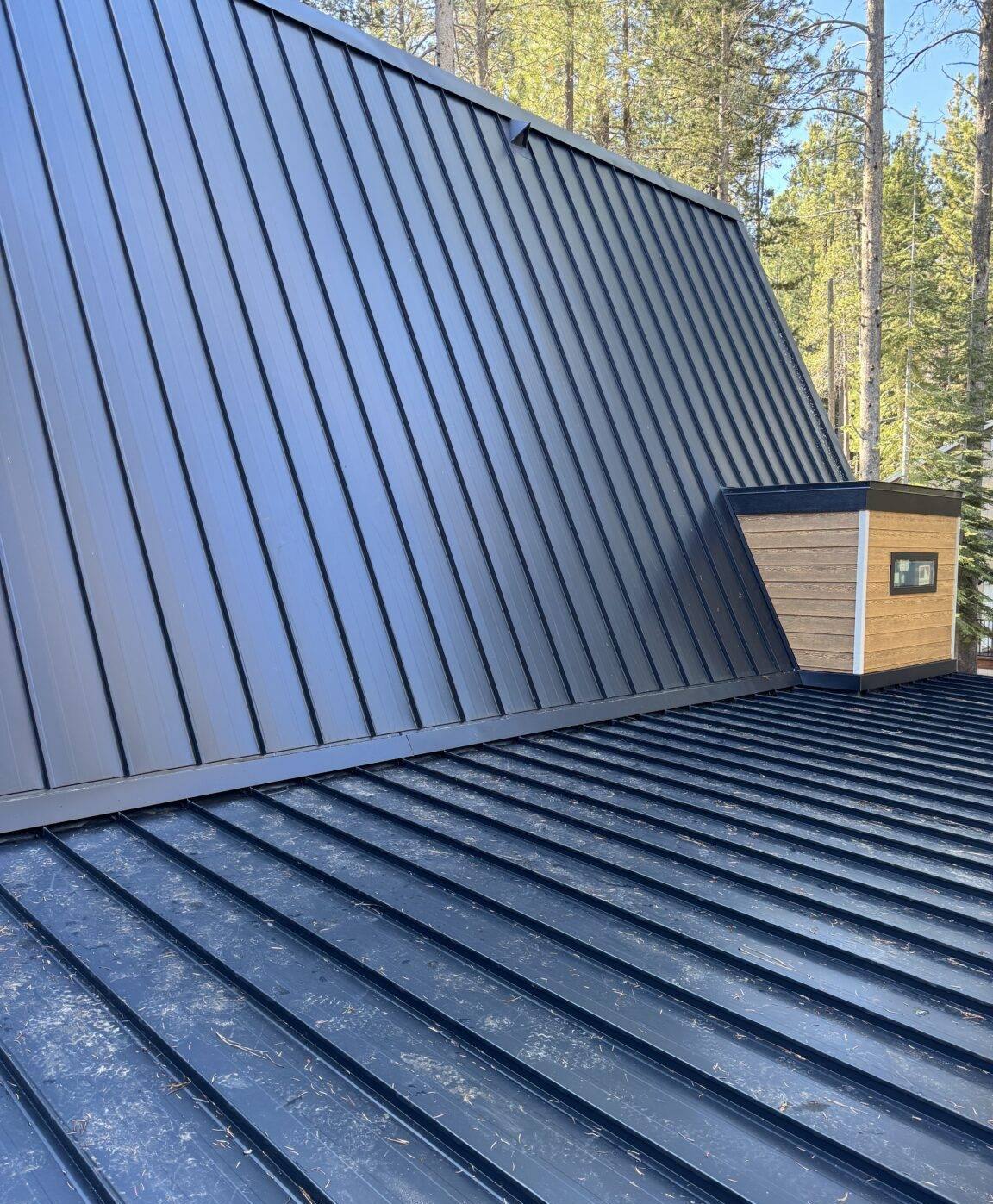
| Standing seam metal | Very good — sheds moss growth | Requires coastal-rated coating and fasteners | 40–50+ years |
| Cedar shake | Needs regular maintenance to resist moss | Moderate — more upkeep near salt air | 20–25 years with upkeep |
| Synthetic composite shake/slate | Very good, low maintenance | Good | 40–50 years |
We install architectural shingle and metal roofing most often in this area because they hold up best against the moss-and-salt combination with the least ongoing maintenance. Cedar shake has real appeal for a lot of homeowners, but we're upfront that it demands more attention in a climate this wet — that's a maintenance conversation we have honestly, not a sales pitch either way.
Ventilation and Moisture Control Matter More Here Than the Shingle Brand
A roof can have the best shingle on the market and still fail early if the attic underneath is trapping moisture. In a climate with Bellingham's rainfall and humidity, poor ventilation shows up as premature shingle aging from the underside, sheathing rot, and mold — problems that have nothing to do with the roofing material itself. Part of every replacement bid should include a real look at intake vents (usually at the soffit) and exhaust (ridge or box vents), and a plan to balance the two. Sealing up a roof tight without fixing ventilation just traps the moisture that Bellingham's climate is already working to get in.
Signs a Barkley Roof Is Due for Replacement
Roofs rarely fail all at once — there are usually warning signs for a year or two beforehand. Worth checking for:
- Granules collecting in gutters or at downspout outlets
- Shingles curling, cupping, or losing their flat profile
- Moss buildup in valleys or on north-facing slopes that keeps coming back after cleaning
- Daylight visible through the attic roof deck
- Soft or spongy spots when walking the roof
- Rusty streaking around metal flashing or fasteners
- Interior water stains after wind-driven storms
- Roof is 20+ years old and hasn't been fully replaced
Any one of these on its own might just need a repair. Several together, especially on an older roof, usually mean replacement is the more honest recommendation than another round of patching.
Our Replacement Process
Homeowners generally want to know what's actually going to happen to their house, in what order:
- On-site inspection of the current roof, attic, and ventilation — we'll tell you honestly if repair is a reasonable option before we ever recommend full replacement
- Written estimate covering material options, tear-off scope, and any deck repair contingencies
- Permitting handled before work starts, per local requirements
- Property protection — landscaping, siding, and driveway covered before tear-off begins
- Full tear-off and deck inspection, with photos of any deck damage found before it's covered up
- Underlayment, flashing, ventilation, and final material installed to spec
- Full cleanup, including a magnetic sweep for stray nails
- Final walk-through so you can see the completed work before we consider the job done
What Drives the Cost of a Barkley Roof Replacement
Every roof is different, so a real number only comes from an on-site look. But the factors that move the price are consistent:
| Factor | Why It Matters |
|---|---|
| Roof size and number of planes | More square footage and more valleys/hips mean more material and labor |
| Pitch and access | Steeper roofs and difficult access require more safety setup and time |
| Layers to remove | Tearing off multiple existing layers takes longer than a single layer |
| Deck condition | Rotted or soft sheathing found during tear-off adds material and labor |
| Material choice | Asphalt, metal, and composite materials carry different costs and install times |
| Ventilation upgrades | Adding or correcting intake/exhaust venting is often needed on older homes |
Be cautious of any bid that's dramatically lower than the others without an explanation — it usually means something on this list, often deck repair or proper flashing, has been left out of the scope.
Why a Crew That Already Works Barkley Matters
A roof replacement done by a crew unfamiliar with this specific microclimate tends to under-spec ventilation, skip coastal-rated fasteners, or assume moss is a cosmetic issue rather than a moisture problem. A local Bellingham crew has already seen how Barkley roofs age — which valleys collect moss first, which flashing details fail under wind-driven rain, and which materials are worth the extra upfront cost given how long they'll actually last here. That's not something a national franchise pricing job by square footage alone accounts for.
If your Barkley home's roof is showing its age, we're happy to take a straightforward look and give you an honest read on repair versus replacement — no pressure, no inflated estimate to scare you into a bigger job than you need. Use the form below to request a free estimate.