 Bellingham Roofing
 Why Ferndale Homes Wear Out Siding Differently
Ferndale sits close enough to Bellingham Bay and the Strait of Georgia that salt-laden air is a real factor in how exterior materials age, not just a coastal talking point. Add Whatcom County's long wet season, driving rain that comes in sideways off the water, and the shaded, moss-friendly conditions found on many wooded lots between Ferndale and the surrounding valley, and you get a climate that is genuinely tough on siding. Homes here don't fail from one dramatic storm. They fail slowly, from years of moisture sitting where it shouldn't, paint that can't keep up, and organic growth that traps dampness against the wall.
That combination is exactly why siding choice matters more in Ferndale than it would in a drier inland climate. A product that performs fine in Eastern Washington can struggle here. We've built our entire business around installing one product system that's engineered for this kind of exposure, and this page is about what a correct siding replacement looks like for a Ferndale home specifically.
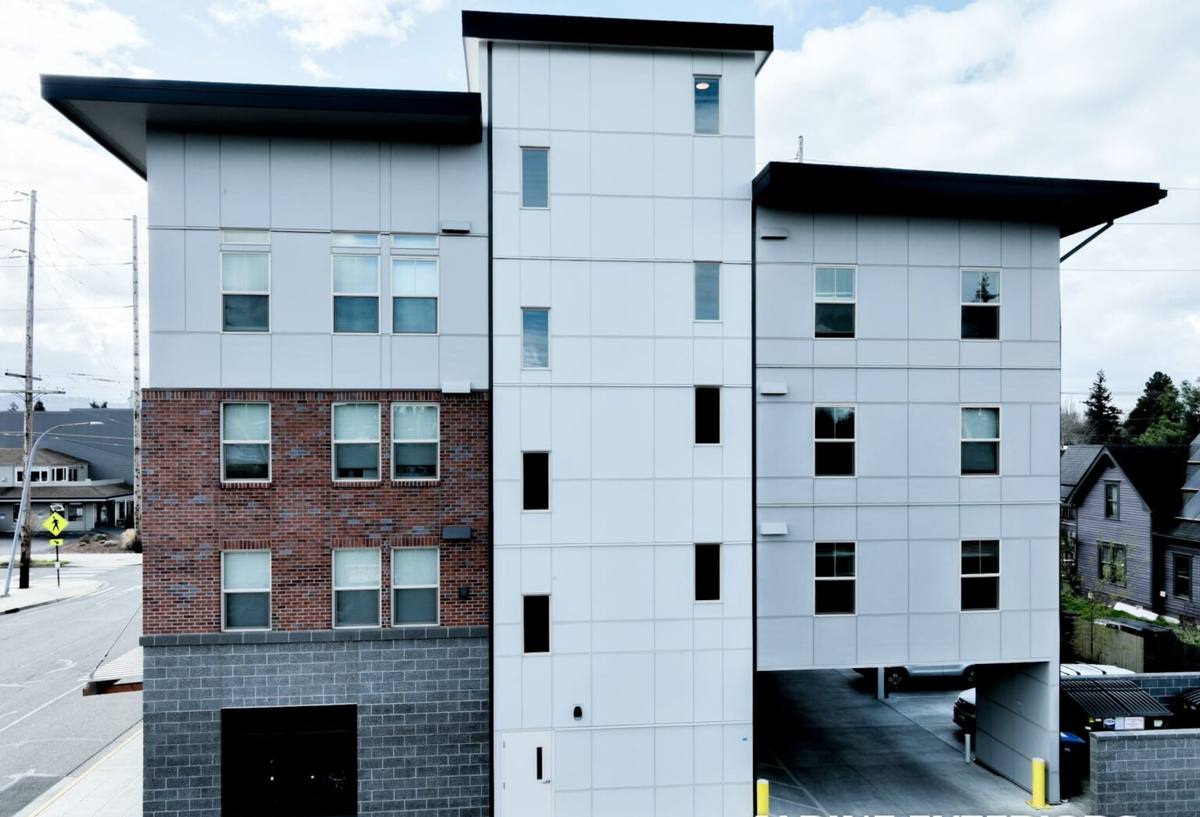
What Salt Air, Rain, and Moss Actually Do to Siding
Salt Air
Airborne salt accelerates corrosion on fasteners, flashing, and any exposed metal trim, and it can degrade certain coatings and finishes faster than inland weather would. Siding near the water needs a finish system and hardware that's rated to handle that exposure over decades, not just survive a few winters.
Driving Rain
Wind-driven rain doesn't just fall on siding, it pushes into every seam, lap joint, and penetration point. Homes on more exposed lots, or those facing prevailing weather off the Strait, take a harder hit on their west and southwest walls. Poor lap spacing, under-caulked trim, or missing flashing details show up here first, usually as staining or soft spots years before anything is visibly "broken."
Moss and Sustained Dampness
Whatcom County's tree cover and long stretches of overcast, damp weather create ideal conditions for moss, algae, and mildew to take hold on north-facing and shaded walls. Moss itself isn't just cosmetic — it holds moisture directly against the siding surface for extended periods, which is a slow but steady stress on any material that isn't dimensionally stable or properly sealed.
Why We Only Install James Hardie Fiber Cement
We made a deliberate decision to install one siding system across every job: James Hardie fiber cement. We don't install vinyl, LP SmartSide, Cemplank, Allura, primed spruce, or cedar, and we're upfront with homeowners about why, because we think you deserve an honest answer instead of a sales pitch.
Wood-based and engineered-wood siding products can perform well when detailed and maintained correctly, but they carry more risk in a climate like this one — moisture intrusion at cut edges, susceptibility to rot and pest damage over time, and a maintenance schedule (recoating, caulking, inspection) that most homeowners underestimate when they buy the house. Vinyl sidesteps some of that, but it has its own trade-offs: it can warp or become brittle with age and temperature swings, its color is baked in rather than a true factory finish, and it's not a non-combustible material.
James Hardie fiber cement is cement, sand, and cellulose fiber — it doesn't rot, it isn't food for pests, and it's non-combustible. Hardie's HZ5 product line is specifically engineered for wetter, harsher climates like ours, and the ColorPlus factory finish is baked on under controlled conditions, which gives it more consistent, longer-lasting color performance than field-applied paint. That's the whole reason we standardized on it: fewer moisture-related failure points, a finish built for this weather, and a warranty structure that reflects the manufacturer's confidence in the product.
What a Correct Ferndale Siding Job Actually Involves
The siding itself is only part of the equation. Most siding failures we see on older Ferndale homes trace back to what's underneath it, not the material on the surface. A proper replacement addresses the whole wall assembly.
Tear-Off and Sheathing Inspection
Full removal of the old siding lets us actually see the sheathing, framing, and any existing damage instead of covering it up. Any soft, rotted, or water-damaged sheathing gets replaced before anything new goes on — installing new siding over compromised sheathing just hides a problem that will keep getting worse.
Weather-Resistive Barrier and Flashing
A correctly lapped weather-resistive barrier, properly integrated window and door flashing, and rainscreen or drainage detailing where appropriate are what actually stop driving rain from reaching the structure. This is the layer that matters most in a high-rainfall coastal climate, and it's also the layer that's invisible once the job is done — which is exactly why it's worth asking a contractor detailed questions about it before you hire them.
Fastening and Lap Spec
James Hardie publishes specific fastener, nailing pattern, and clearance requirements, and following them to spec is what preserves the manufacturer's warranty and keeps the assembly performing as engineered. Corner and trim details also matter for keeping water moving away from the wall rather than pooling at joints.
Finish and Color
ColorPlus factory-finished panels arrive with the finish already cured, which reduces on-site painting and gives more even, durable color from day one. For trim and accent areas, Hardie's prefinished options keep the whole exterior in one coordinated, long-lasting finish system.
Our Process for a Ferndale Home
- On-site assessment — we walk the exterior, check exposure on each elevation (especially west/southwest walls and shaded north sides prone to moss), and look at existing siding condition and any visible moisture issues.
- Sheathing and structure check — where we suspect damage, we confirm it before quoting so there are no surprise costs mid-project.
- Product and color selection — we walk through Hardie's plank profiles, textures, and ColorPlus color options suited to the home and the neighborhood.
- Tear-off and prep — full removal, sheathing repair as needed, and correct installation of the weather barrier and flashing system.
- Installation to Hardie spec — proper fastening, lap spacing, and trim detailing, with attention to the drainage path at every joint.
- Final walkthrough — we go over the finished job with you before we consider it complete.
Why a Crew That Already Works Ferndale Matters
Siding installation isn't one-size-fits-all across Whatcom County. A crew that regularly works Ferndale and the surrounding Bellingham area already knows which elevations tend to take the worst weather, how moss behaves on shaded lots in this specific climate, and what kind of moisture problems show up in homes of a given age and construction type in this area. That local pattern recognition shows up in better decisions during the assessment and prep stages — the parts of the job you don't see once the siding is up, but that determine whether it lasts twenty years or five.
It also means accountability. A local crew is easy to reach if a question comes up after the job, and has a reputation in the community worth protecting.
Cost Factors to Understand Before You Get Quotes
Siding replacement pricing varies by home size, siding condition, sheathing repair needs, and product selection. The table below outlines the main factors that move the price, so you know what questions to ask when comparing quotes.
| Factor | Why It Matters |
|---|---|
| Home size and elevation count | More square footage and more complex rooflines mean more material and labor |
| Existing siding removal | Multiple layers or difficult-to-remove materials add tear-off time |
| Sheathing condition | Rot or moisture damage found underneath adds repair cost, but skipping it costs far more later |
| Siding profile and texture | Lap width, texture (smooth vs. cedar-textured), and trim complexity affect material and labor |
| Color and finish selection | ColorPlus factory finish vs. field-painted trim can affect cost and long-term maintenance |
| Site access and lot conditions | Wooded lots, steep grades, or tight access common in this area can affect labor time |
Questions to Ask Any Contractor Before Hiring
- Are you a certified or factory-trained installer for the siding system you're proposing?
- What is your plan for the weather-resistive barrier and flashing at windows and doors?
- Will you inspect and, if needed, replace sheathing before installing new siding?
- What warranty applies to the product, and what warranty applies to your labor?
- Can you explain why you install the specific siding brand or product you're proposing?
- How do you handle moss-prone or heavily shaded elevations differently, if at all?
Signs Your Ferndale Home May Need Siding Replacement Soon
Not every issue means a full replacement, but these are worth having looked at by a professional rather than waiting: visible warping or buckling in panels, soft spots when you press on the siding, persistent moss or dark staining that returns quickly after cleaning, cracked or peeling paint that won't hold, and rising energy bills that suggest the wall assembly isn't insulating or sealing the way it should. Catching these early, before moisture reaches the sheathing, usually means a simpler and less costly project.
If you're in Ferndale or elsewhere around Bellingham and want a straight answer about your siding's condition, we're happy to take a look. Reach out for a free, no-pressure estimate — we'll walk the exterior with you, explain what we see, and give you a clear picture of what a correct replacement would involve for your home.