 Bellingham Roofing
 Why Window Performance Is Different in Ferndale
Ferndale sits close enough to the water that homes here deal with a specific combination of weather stress: salt-laden air drifting in off the Strait, long stretches of driving rain pushed sideways by wind, and a wet, shaded moss season that can run half the year. None of that is unique to any one house — it's just the baseline for anything built or installed outdoors in this part of Whatcom County. Windows sit right at the edge of that exposure, and it shows. Frames chalk and pit faster than they would inland, seals give out sooner, and any gap in the flashing detail becomes an invitation for moisture to work its way into the wall assembly.
Energy-efficient windows aren't just about lower heating bills, though that's a real part of it. In this climate, the glazing and frame system you choose also determines how well the window resists condensation, how long the seals last under constant damp-dry cycling, and whether the installation itself sheds water the way it's supposed to. A window that's efficient on paper but installed without attention to local conditions can still end up with fogged glass, soft trim, or a drafty reveal within a few years.
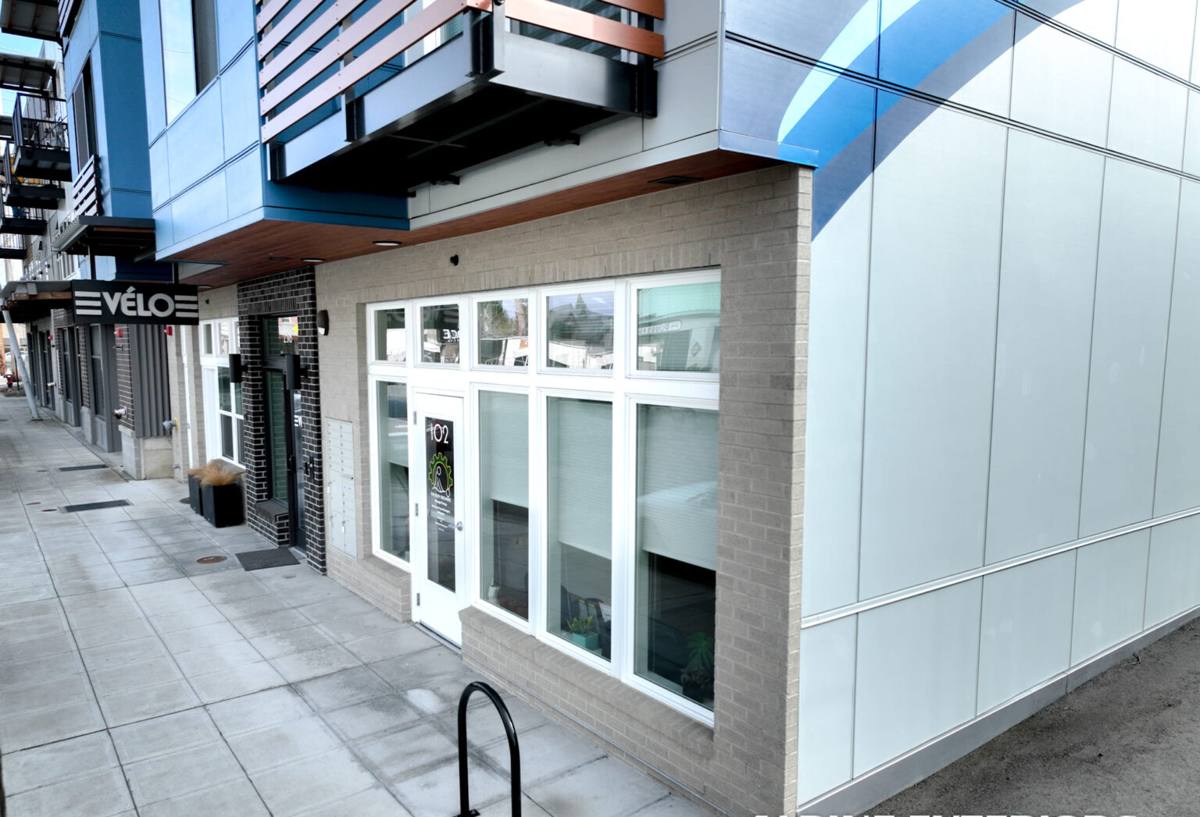
What Ferndale's Climate Actually Does to a Window
Salt Air
Airborne salt is corrosive to unprotected metal hardware, fasteners, and some aluminum components. It also accelerates the breakdown of low-grade vinyl and finishes over time. This isn't a dramatic failure — it's a slow one, showing up as pitting, chalking, or hardware that starts to stick or bind years before it should.
Driving Rain
Wind-driven rain doesn't just fall on a window, it gets pushed into every horizontal seam and gap. A window with a good energy rating but a sloppy sill pan or missing back-dam detail will still leak. Water intrusion around window openings is one of the more common sources of hidden rot we find in older Whatcom County homes, and it's almost always a flashing or sealant failure, not a defect in the window unit itself.
Moss and Sustained Moisture
Shaded, north-facing walls and anything near overhanging trees hold moisture longer here than in drier climates. That extended damp period is what lets moss and mildew take hold on sills, trim, and cladding — and sustained moisture contact is hard on caulk, wood trim, and any window component not rated for continuous wet exposure.
What "Energy-Efficient" Actually Means
The term gets used loosely in advertising, so it's worth breaking down into the numbers that actually matter for a coastal Whatcom County home:
- U-factor — measures how well the window resists heat loss. Lower is better. This is the number most directly tied to your heating bill in our cooler, wet winters.
- Solar Heat Gain Coefficient (SHGC) — how much solar heat passes through the glass. In our region, moderate SHGC glass is usually the right call since we don't have the intense summer sun that drives cooling-load decisions in hotter climates.
- Condensation Resistance — how well the window resists interior condensation forming on the glass and frame during cold, humid stretches. This matters more here than in drier inland climates, and it's often overlooked when homeowners shop on price alone.
- Air leakage rating — how much air passes through the assembly when closed. Directly affects both comfort and how hard driving rain can push moist air into the frame cavity.
A window that performs well on all four fronts, installed correctly, is what actually delivers the comfort and efficiency gains homeowners are looking for. Get one of those wrong — especially condensation resistance or the installation detailing — and the energy savings on paper won't match what you feel in the house.
Frame Materials: What Holds Up Near the Water
| Frame Material | Coastal Performance | Maintenance | Typical Trade-Off |
|---|---|---|---|
| Vinyl (quality-grade) | Good — won't corrode, handles moisture well | Low | Lower-end vinyl can chalk and become brittle with UV and salt exposure over time |
| Fiberglass | Excellent — dimensionally stable, resists salt and moisture | Low | Higher upfront cost than vinyl |
| Wood-clad | Good exterior protection if the cladding and seals stay intact | Moderate to high | Any breach in the cladding exposes wood to our wet climate; needs attentive upkeep |
| Aluminum (uninsulated) | Poor for energy performance; prone to condensation and corrosion near salt air | Moderate | We generally don't recommend uninsulated aluminum for this climate — thermal performance and condensation resistance are weak points here, not a knock on the material's use elsewhere |
We steer most Ferndale homeowners toward quality vinyl or fiberglass because they hold up against the salt-air and moisture cycle without the ongoing upkeep that wood-clad units demand. That's a maintenance and moisture-behavior call, not a statement that other materials can't work — plenty of well-maintained wood-clad windows perform fine. It comes down to how much upkeep you want to sign up for.
Signs Your Current Windows Are Costing You More Than You Think
- Visible condensation or fogging between the panes — a sign the seal has failed and the gas fill (if any) is gone
- Cold drafts near the frame even when the window is fully latched
- Soft or discolored trim and sill areas, especially on north- or west-facing walls
- Windows that are hard to open, close, or lock — often hardware corrosion or frame swelling
- Visible moss or persistent green growth on sills or lower trim
- Noticeably higher heating bills compared to similar-sized homes nearby
Any one of these on its own isn't necessarily urgent. Several together, especially on the weather-facing side of the house, usually means the window system has reached the point where repair isn't going to buy you much more time.
Our Installation Process
Assessment First
We start by looking at the existing opening, not just the window. That means checking the sill pan, sheathing, and flashing condition before we ever talk product. If there's hidden rot or a flashing detail that failed, replacing the window without addressing that just repeats the same failure down the line.
Removal and Opening Prep
Old units come out carefully to protect the surrounding wall finish. We inspect the rough opening for moisture damage at this stage — it's the one point in the project where that framing is fully visible.
Moisture Management
This is the step that matters most in a driving-rain climate. Proper sill pan flashing, back-dam detailing, and integration with the wall's water-resistive barrier are what actually keep wind-driven rain out over the long run — more so than the window unit itself. We install to shed water down and out, not rely on caulk alone to hold a seal.
Setting and Sealing
Windows are shimmed level and square, fastened per manufacturer spec, and insulated around the frame gap. Exterior sealant is applied at the correct joints — not everywhere, since sealing the wrong joint can trap moisture instead of shedding it.
Final Check
We test operation, confirm the seal, and walk the exterior detailing before calling the job done.
Why a Crew That Already Works Ferndale Matters
A window installer who mostly works drier, inland climates can put in a technically correct install and still miss the details that matter here — the sill pan slope, the back-dam height, how the flashing ties into existing siding that's already dealt with years of salt air and rain. A crew that regularly works Whatcom County's coastal side has already seen how these homes fail when the detailing is off, and builds the install to avoid it.
Local knowledge also matters for product selection. We're not choosing frame materials and glass packages off a national average — we're choosing them based on how they hold up a few miles from the water, in a climate with a long wet season and real moss pressure on shaded walls.
Cost Factors to Expect
| Factor | How It Affects the Job |
|---|---|
| Frame material | Vinyl generally costs less upfront than fiberglass or wood-clad; fiberglass typically has the longest service life in coastal conditions |
| Number and size of openings | More openings and larger units increase both material and labor cost |
| Existing moisture damage | Rot or flashing failure found during removal adds repair scope before the new window goes in |
| Glass package | Upgraded low-E coatings or gas fills add cost but improve U-factor and condensation resistance |
| Access and site conditions | Second-story or hard-to-access openings take more time and equipment |
We don't quote sight-unseen. Every home's window count, condition, and exposure is different, and a fair number comes from actually looking at the openings.
Getting Started
If your windows are drafty, fogged, or just past their useful life, we're happy to take a look and give you a straightforward assessment — what's actually wrong, what your options are, and what it would cost to fix it right. Reach out for a free, no-pressure estimate using the form below.