 Bellingham Roofing
 Why Silver Beach Puts Siding to the Test
Homes near the water in Bellingham deal with a different set of pressures than houses a few miles inland. Silver Beach sits close enough to Bellingham Bay that salt-laden air is a constant, low-grade attack on anything nailed to the outside of a house. Add in Whatcom County's driving winter rain — the kind that comes sideways off the water instead of straight down — and a moss season that can run eight or nine months out of the year under tree cover, and you have a climate that finds every weak point in a siding system within a few years, not a few decades.
Board and batten is a popular choice in this neighborhood because the style suits the mix of craftsman, farmhouse, and modern homes along the shoreline. But the same vertical lines and butted joints that make it attractive also make it unforgiving if the material or the installation is wrong for the exposure. This page is about what board and batten needs to actually hold up in Silver Beach, not just look good the first summer.
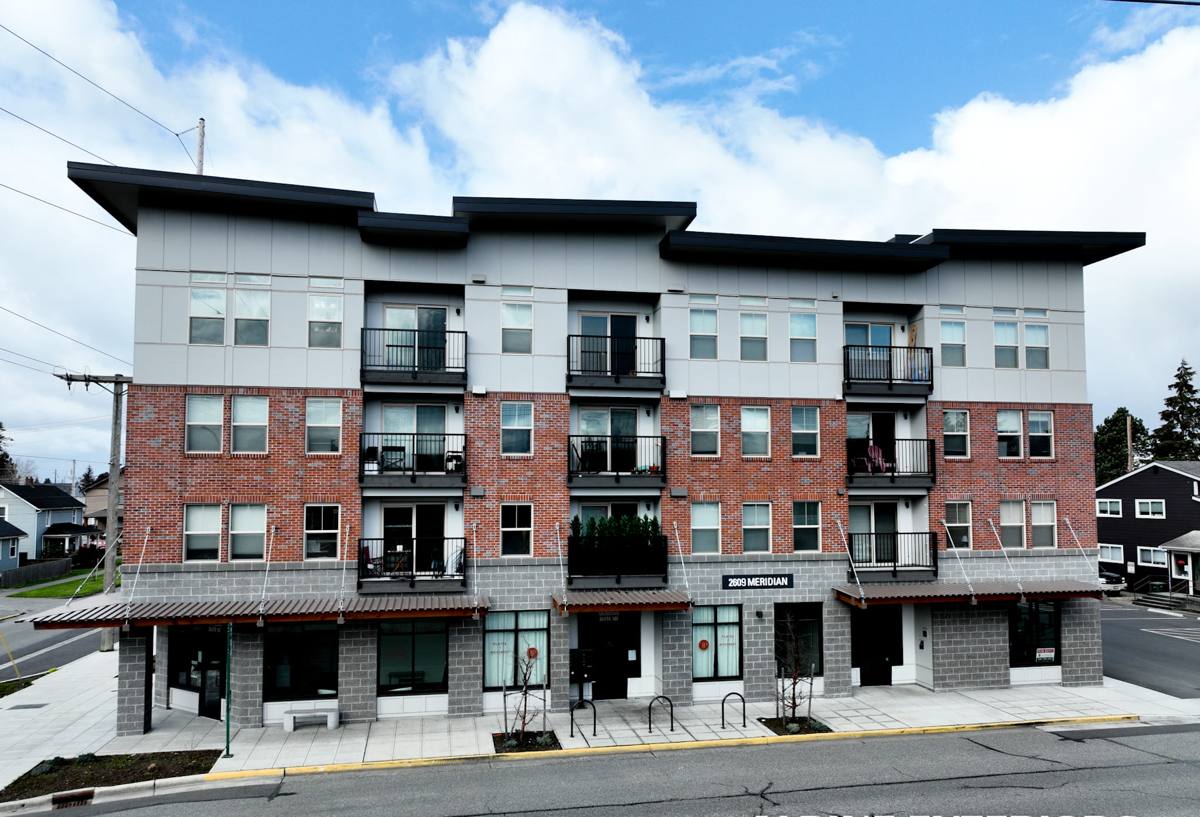
What Board & Batten Siding Actually Is
Board and batten is a vertical siding pattern: wide flat boards installed side by side, with a narrower strip — the batten — covering each seam. Historically it was a practical way to close gaps in barn and cabin construction with minimal material. Today it's chosen mostly for the look: strong vertical lines, deep shadow lines at the battens, and a clean, modern-farmhouse profile that reads well on both new builds and remodels around Bellingham.
The catch is that every seam covered by a batten is also a place water can get behind the cladding if the batten isn't sealed and fastened correctly, or if there's no drainage plane behind it. In a low-rain climate that's a minor issue. In a marine climate with driving rain and salt air, it's the detail that determines whether the siding lasts fifteen years or fifty.
Why It Fits Silver Beach Architecturally
A lot of the homes in this part of Bellingham were built or remodeled with an eye toward the water view — larger windows, simpler rooflines, and exterior styling that leans modern or transitional. Vertical board and batten complements that look better than traditional lap siding does, which is part of why we get asked for it specifically in this neighborhood more than in some other parts of our service area.
Why We Only Install It in James Hardie Fiber Cement
We install board and batten siding exclusively in James Hardie fiber cement. We don't install it in vinyl, in primed spruce or cedar, or in engineered wood products like LP SmartSide. That's a deliberate standard, not a sales pitch, and it's worth explaining honestly.
Vertical vinyl board and batten is inexpensive and low-maintenance in the sense that it never needs painting, but it's also a thin plastic product that expands and contracts significantly with temperature swings, and it can warp or become brittle over time — problems that show up faster with direct salt exposure and constant damp than they do in a dry inland climate. Real wood board and batten has genuine curb appeal, but it needs consistent repainting and caulking to survive driving rain, and moss and mildew take hold quickly on wood surfaces that stay damp under tree cover — which describes a lot of Silver Beach. Engineered wood siding closed the maintenance gap somewhat, but it's still a wood-based product at its core, and its performance depends heavily on keeping cut edges sealed and water away from the substrate — a hard standard to guarantee on a home that takes weather off the bay year-round.
James Hardie fiber cement is cement, sand, and cellulose fiber — it doesn't rot, it isn't a food source for moss or mildew growth the way bare wood is, and it's non-combustible. Hardie's factory-applied ColorPlus finish is baked on rather than field-applied, which matters in a climate where paint failure is one of the most common siding complaints we see. It's not the cheapest board and batten option on the market, but it's the one we're willing to warranty and stand behind on homes that take this much weather.
What a Correct Installation Involves
Board and batten fails in wet climates almost always for the same reasons: no drainage gap behind the cladding, wrong fastener choice, or sealant used to do a flashing detail's job. Getting it right in a Silver Beach setting means:
- A weather-resistive barrier installed correctly behind the siding, lapped so water sheds outward and never gets trapped against the sheathing
- A rainscreen gap — vertical furring strips — behind the boards so any moisture that does get past the surface can drain and dry instead of sitting against the wall assembly
- Corrosion-resistant fasteners rated for the exposure, not standard fasteners that will streak or fail early in salt air
- Correct fastener placement and spacing per Hardie's published installation instructions, since under- or over-driven nails are one of the most common causes of premature siding failure
- Proper flashing at every window, door, and horizontal trim transition — the places water actually gets in, far more often than through the field of the siding itself
- Batten seams and joints detailed so caulking is a backup, not the primary defense against water intrusion
None of this is unique to Silver Beach — it's how board and batten should be installed anywhere. What's different here is that the margin for error is smaller. A missed flashing detail that might take ten years to cause a problem in a drier climate can show up in three or four years this close to the water.
Comparing Board & Batten Materials for This Climate
| Material | Moisture & Salt Air Performance | Maintenance | Typical Lifespan Here |
|---|---|---|---|
| James Hardie fiber cement | Does not rot; resists moss and mildew growth; factory finish holds up to salt air and driving rain | Occasional wash; repaint only when the homeowner chooses a color change | 30+ years to warranty limits with correct install |
| Vinyl board and batten | Won't rot, but can warp, fade, or become brittle with temperature swings and constant damp | Low, but panels can't be spot-repaired without visible mismatch | 15–25 years, often less on direct water exposure |
| Primed wood (cedar/spruce) | Prone to moisture absorption, cupping, and moss/mildew growth under tree cover | Repainting and caulk maintenance every few years | 10–20 years without diligent upkeep |
| Engineered wood (e.g. LP SmartSide) | Better than raw wood, but still wood-based; performance depends on sealed edges and controlled moisture exposure | Moderate; edge sealing and paint upkeep matter | 20–30 years with strict maintenance |
Our Process for Silver Beach Projects
We approach every board and batten job in this neighborhood the same structured way:
- On-site assessment — we look at sun exposure, tree cover, prevailing wind and rain direction off the water, and the condition of the existing wall assembly before we recommend anything.
- Tear-off and substrate check — old siding comes off so we can inspect sheathing for hidden rot or moisture damage rather than covering up a problem.
- Weather barrier and rainscreen installation — the drainage plane goes in correctly the first time, since it's invisible once the siding is up.
- Board and batten installation to Hardie spec — fastener type, spacing, and flashing details are followed to the manufacturer's requirements, not shortcut for speed.
- Final inspection and walkthrough — we go over the finished work with the homeowner and point out anything they should know for long-term upkeep.
Living With Board & Batten in a Salt Air, Moss-Season Climate
A correctly installed Hardie board and batten system is genuinely low-maintenance, but "low-maintenance" isn't "no-maintenance" anywhere near Bellingham Bay. A short annual routine keeps it performing the way it should:
- Rinse the siding once or twice a year to clear salt residue, especially on the water-facing side of the house
- Keep gutters clear so overflow doesn't run down the siding face during heavy rain events
- Trim back tree limbs and shrubs that hold moisture against the wall and encourage moss growth
- Check caulking at trim joints and penetrations annually and have it renewed if it's cracking or pulling away
- Have any impact damage or fastener issues repaired promptly rather than left through another wet season
Why Local Experience in Silver Beach Matters
Siding work near the water isn't the same job as siding work a few miles inland in Whatcom County, even though the material list looks identical on paper. A crew that regularly works Silver Beach already understands how far salt air travels inland from the bay on this stretch of shoreline, how much shade specific streets get from mature tree cover, and which orientations take the worst of the winter storms. That local pattern recognition shows up in small decisions — where to add extra flashing, which side of the house needs a tighter rainscreen detail, how aggressive the moss growth is likely to be — that a crew unfamiliar with the neighborhood has to learn on your house instead of bringing with them.
It also means we're not guessing about how our own work holds up. We see the board and batten siding we've installed in this area again on service calls and follow-ups, which keeps us honest about what actually performs here versus what just looks good in a brochure.
Get a Straight Answer for Your Home
If you're weighing board and batten siding for a home in Silver Beach, we're happy to walk the exterior with you, talk through what your specific exposure needs, and give you a straightforward estimate — no pressure, no upsell to a product we wouldn't put on our own homes. Use the form below to request a free estimate.