 Bellingham Roofing
 Blaine's Siding Problem Isn't Like Bellingham's
Blaine sits at the northern edge of Whatcom County, right on Drayton Harbor and Semiahmoo Bay, a few minutes from the Peace Arch border crossing. That waterfront position changes what siding has to survive here. Homes a block or two off the water take on salt-laden air that settles into every seam, joint, and fastener a siding crew leaves exposed. Add the Pacific Northwest's long wet season and the shaded, damp yards common on Blaine's older lots, and you get a climate that pushes ordinary siding toward moss, soft spots, and premature paint failure faster than it would inland.
None of that is exotic weather. It's the same marine climate that runs up and down this stretch of coast. But it is demanding, and it rewards a siding system and an installation crew that are actually built for it, rather than one that just happens to be available.
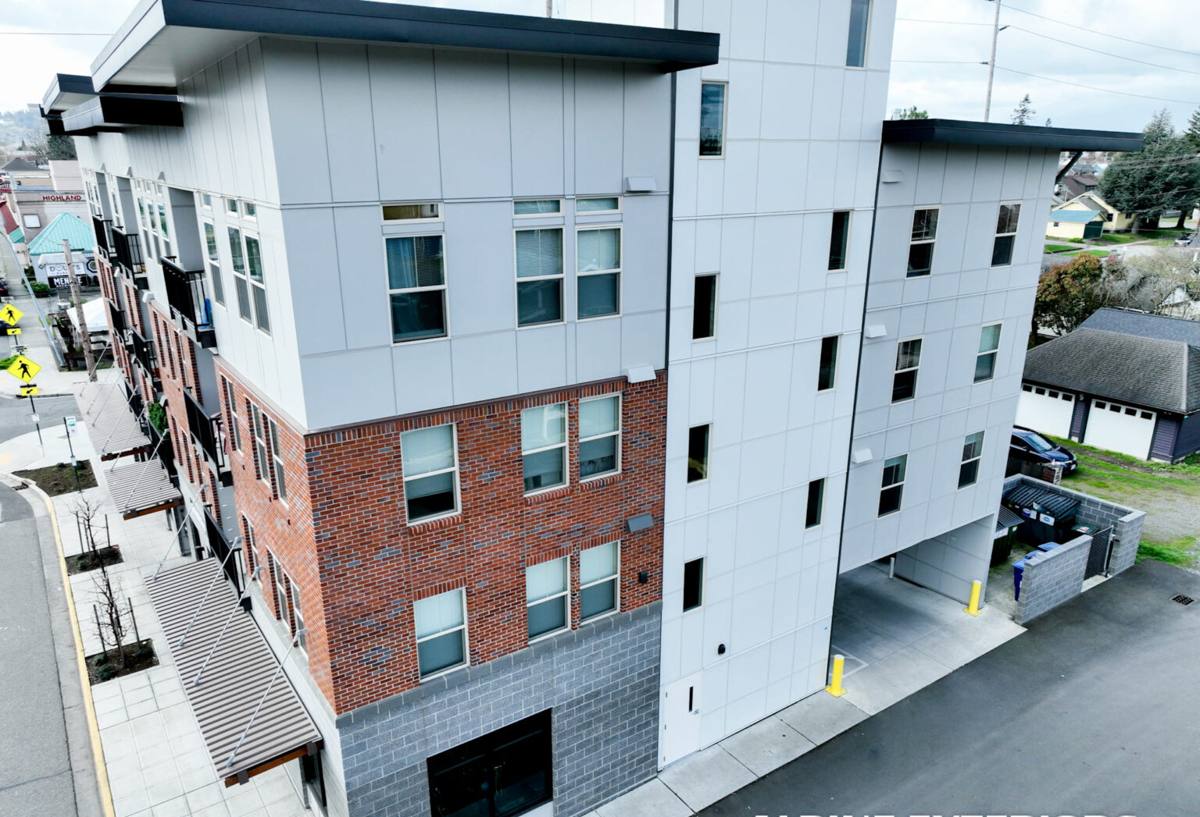
Why We Only Install James Hardie Fiber Cement
We standardized on James Hardie siding for every home we work on, including Blaine, because it holds up to salt air and moisture exposure in a way that fits this climate without asking homeowners to babysit it. Fiber cement doesn't rot, it doesn't provide the organic food source that vinyl's grime layer or bare wood can, and it carries a Class A non-combustible rating. For a coastal border town where houses sit close to the water and to each other, that combination matters more than it does in a drier inland market.
HardieZone HZ5: Built for This Region
James Hardie engineers its siding by climate zone, and the Pacific Northwest falls into the HZ5 category, formulated for high-moisture, freeze-thaw-capable regions. HZ5 boards are manufactured with moisture management and crack resistance tuned for exactly the pattern Blaine sees: long stretches of damp weather punctuated by wind-driven rain off the water. It's not a marketing label, it's a different mix specification than what Hardie sells in Arizona or Texas.
ColorPlus Finish vs. Field-Applied Paint
Most of what we install carries Hardie's ColorPlus factory finish, a baked-on, multi-coat finish applied under controlled conditions before the boards ever reach a jobsite. In a salt-air environment, that matters because factory finishes resist fade and film breakdown better than paint rolled on outdoors after installation, and they come with their own finish warranty separate from the substrate warranty. For a Blaine home taking direct salt spray on its weather side, that finish durability is doing real work, not just showing well on day one.
What a Correct Installation Actually Requires Here
Fiber cement siding is only as good as the assembly behind it. James Hardie's own installation instructions are specific about clearances, fastening, and flashing, and in a wet coastal climate skipping any of it shows up as a problem within a few winters, not a few decades.
Rain Screen and Drainage Behind the Boards
We install a drainable house wrap or rain screen assembly behind Hardie siding rather than fastening it flat against the sheathing. That gap lets any moisture that gets past the cladding drain and dry out instead of sitting against the wall assembly. In a town that sees as much sustained damp weather as Blaine does, a wall that can't dry out is the single biggest driver of hidden rot, and it's invisible from the curb until it isn't.
Clearances, Caulking, and Fastening
Hardie's specs call for minimum clearances from grade, roof lines, and decks, gaps at butt joints that get properly caulked or trimmed rather than jammed tight, and corrosion-resistant fasteners driven to the correct depth. Overdriven nails crack the board's edge and create a moisture entry point that salt air and rain will find quickly. This is where a lot of the difference between a siding job that lasts and one that needs early repairs actually lives, in details nobody sees after the trim goes on.
Flashing at Windows, Doors, and Penetrations
Every window, door, hose bib, and vent penetration is a place water can get behind the cladding. Correct step flashing, head flashing, and sealant at these transitions is non-negotiable on a home exposed to driving, wind-pushed rain, which is the normal weather pattern for Blaine's waterfront-facing lots for a good part of the year.
Comparing Siding Options for a Marine Climate
We get asked why we don't offer alternatives. Here's an honest look at how the common choices perform under Blaine's specific conditions: salt exposure, sustained moisture, and heavy moss pressure.
| Material | Salt Air / Moisture Behavior | Moss & Algae Resistance | Typical Field Lifespan |
|---|---|---|---|
| James Hardie Fiber Cement | Does not rot; engineered moisture resistance (HZ5) | Resistant surface; standard cleaning keeps it clear | 30+ years with proper install |
| Vinyl Siding | Panels don't rot, but seams and J-channels trap moisture and salt film | Grime and salt residue promote moss/algae growth over time | 15-25 years, earlier fading and warping near coast |
| Cedar / Wood | Absorbs moisture; needs consistent sealing to resist rot | High, especially in shaded, damp yards | 10-20 years without diligent maintenance |
| LP SmartSide (engineered wood) | Wood-based core is moisture-sensitive at cut edges and joints | Moderate; edge sealing is critical and easy to miss | 20-30 years, heavily dependent on install quality |
Every product on that list has a legitimate use case somewhere. In Blaine's specific combination of salt exposure and moss-friendly dampness, fiber cement's non-organic composition and engineered moisture resistance are the reasons we build around it exclusively.
Moss, Salt Film, and What Ongoing Maintenance Looks Like
Even the right siding needs some upkeep in this climate. Moss and algae don't rot fiber cement the way they can compromise wood, but they will sit on the surface and hold moisture against it if left unchecked, especially on north-facing walls and anything shaded by trees or fences. Salt film from onshore air can dull a finish over time if it's never rinsed off.
- Rinse siding with a garden hose once or twice a year, more often on walls facing the water or shaded from direct sun
- Keep gutters clear so overflow doesn't run down the wall and feed moss growth at the base of the siding
- Trim back shrubs and trees so air can move across the wall and it can dry between rain events
- Watch caulked joints at trim, windows, and butt seams and have them touched up if they crack or pull away
- Address any moss or algae with a gentle wash rather than pressure blasting, which can force water behind boards
None of this is heavy maintenance. It's the same kind of seasonal attention most Whatcom County homeowners already give their gutters and decks, just extended to the siding.
How Our Process Works on a Blaine Home
The steps don't change much from house to house, but the details we watch for do, because every home's exposure to wind and water is a little different.
- Walkthrough and assessment — we look at wall exposure, existing moisture damage, trim condition, and how the house is currently draining water away from the walls
- Product and color selection — matching HardiePlank, HardiePanel, or HardieShingle profiles and ColorPlus finishes to the home's style and the homeowner's preference
- Tear-off and sheathing check — removing existing siding and inspecting sheathing for rot before anything new goes on, since covering a compromised wall defeats the purpose
- Weather barrier and rain screen installation — the drainage layer that does the quiet work for the next several decades
- Siding installation to Hardie spec — correct clearances, fastening, and joint treatment throughout
- Flashing and trim detail — windows, doors, and penetrations sealed and flashed before final trim
- Final walkthrough — reviewing the finished work and warranty paperwork with the homeowner
Why Hiring a Crew That Already Works Blaine Matters
Siding installation instructions read the same everywhere, but applying them correctly depends on understanding the wind exposure, drainage patterns, and moisture load of the specific house in front of you. A crew that regularly works Blaine and the rest of Whatcom County's coastline has already seen how homes on exposed lots take wind-driven rain differently than homes set back from the water, and how yards shaded by evergreens hold dampness longer into the season. That's the kind of judgment that shows up in where extra flashing goes, how tight a caulk joint is left, and which walls get flagged for closer attention, not just in following a spec sheet.
The Warranty Behind the Work
James Hardie backs its fiber cement products with a transferable limited warranty on the substrate, and ColorPlus finishes carry their own separate finish warranty. Warranty coverage assumes installation followed Hardie's published requirements, which is another reason correct installation isn't optional — it's what keeps the manufacturer's coverage intact if something ever does go wrong down the line.
If your Blaine home's siding is showing moss buildup, chalky salt residue, cracked caulking, or soft spots near the base, we're happy to take a look and talk through what James Hardie siding would involve for your specific house. Reach out for a free, no-pressure estimate — there's a form right below to get started.