 Bellingham Roofing
 Deck Repair Built for Birchwood's Climate, Not a Generic Checklist
Birchwood homes take a specific kind of beating that's different from what a deck sees inland or in a drier climate. Between the salt-tinged air moving in off the water, the long stretches of driving rain that define a Whatcom County winter, and a moss season that can run six months or more, a deck here is under near-constant moisture pressure. A repair approach copied from a dry-climate playbook — patch the board, slap on some sealant, call it done — doesn't hold up. We've worked on decks throughout the Bellingham area long enough to know what actually fails first here, and we repair to that reality, not to a national average.
This page is about one job: repairing decks for homes in and around Birchwood. Not a full rebuild, not a new build — repair, done right, for the conditions this neighborhood actually sees.
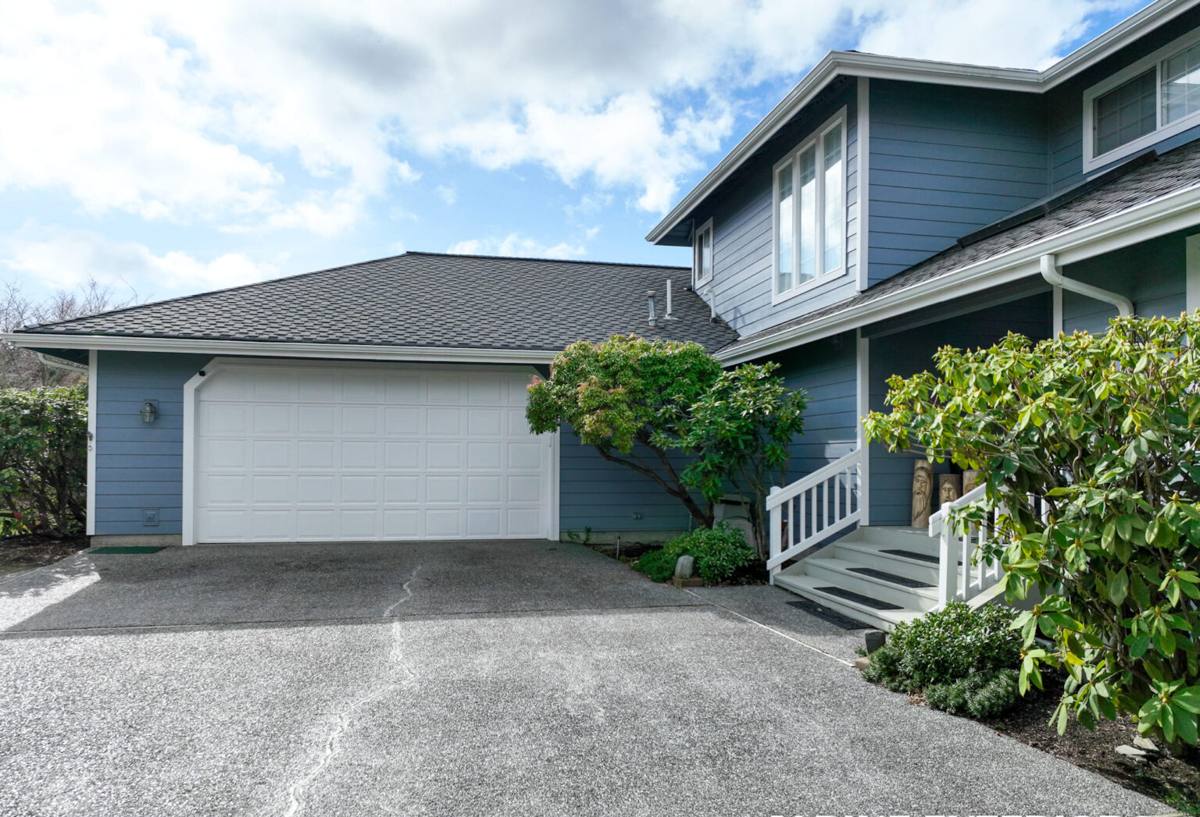
What Birchwood's Climate Does to a Deck
Moisture Is the Root Cause of Almost Everything
Nearly every deck repair call we get traces back to water that had somewhere to sit instead of somewhere to go. Bellingham's rainfall is frequent rather than extreme — long soaking rains rather than short heavy downpours — which means wood, fasteners, and structural framing are wet for extended periods rather than briefly. Over years, that steady dampness works into joints, ledger connections, and anywhere water can pool instead of shed.
Salt Air Accelerates Metal Fatigue
Homes closer to the water pick up a fine salt content in the air that speeds up corrosion on fasteners, joist hangers, and railing hardware. Galvanized coatings that would last decades in a dry inland climate can start showing rust bleed-through and pitting years earlier in a coastal-influenced environment like this. Once a fastener starts corroding, it loses holding strength quietly — you often don't see it until a board feels loose or a railing has some give in it.
Moss and Algae Are More Than Cosmetic
A moss season that stretches across fall, winter, and much of spring means organic growth has a long runway to establish itself on horizontal deck surfaces, especially in shaded corners or under trees. Moss isn't just unsightly — it holds moisture directly against the wood surface, blocks airflow that would otherwise let boards dry between rains, and its root structure can work into small checks and cracks in the wood, widening them over time.
Signs a Birchwood Deck Needs Repair, Not Just Cleaning
- Boards that feel spongy, springy, or soft underfoot, especially near the house or at board ends
- Rust streaking below fastener heads or joist hangers
- Railings or posts with noticeable movement when pushed
- Gaps opening up between decking boards beyond normal seasonal movement
- Persistent moss or algae that returns within weeks of cleaning
- Discoloration or staining at the point where the deck ledger meets the house
- Stair stringers that flex or squeak more than they used to
- Visible cracking or splitting concentrated on the sun-and-rain-exposed side of the deck
Any one of these on its own might be minor. Several together, or any sign near the ledger board connection to the house, is worth a professional look before it becomes a safety issue rather than a maintenance item.
What a Correct Deck Repair Actually Involves
Diagnose Before Anything Gets Replaced
The first step is figuring out why a board or connection failed, not just swapping the part that looks bad. If a board rotted because water was pooling against a poorly flashed ledger, replacing the board without fixing the flashing means the new board fails on the same timeline. We check framing, fastener condition, and drainage path as part of every repair, not just the visible surface damage.
Match Materials to How the Deck Will Actually Be Used
Repairs should use fasteners and hardware rated for the exposure the deck actually gets — which, in this climate, generally means stainless steel or high-grade coated fasteners rather than standard galvanized, especially for homes with more direct coastal exposure. It's a small cost difference upfront against a real difference in how long the repair lasts.
Address Drainage, Not Just the Symptom
A huge share of long-term deck problems come down to water that has nowhere to go. Part of a proper repair is making sure decking gaps, ledger flashing, and any under-deck drainage are actually doing their job — not just replacing rotted wood and leaving the same water path in place to cause the same damage again.
Structural Connections Get the Same Attention as Visible Boards
Ledger bolts, joist hangers, post bases, and stair stringer connections matter more than the decking surface itself, because that's what's actually holding the structure up. A deck can have brand-new boards on top of a compromised structural connection and still be unsafe. We treat the structure as the priority, with surface repair as the visible follow-through.
Repair vs. Replace: How We Help You Decide
| Situation | Repair Usually Makes Sense | Replacement Should Be Considered |
|---|---|---|
| Isolated soft or damaged boards | Yes — spot replacement is straightforward | Only if damage is widespread across most of the surface |
| Rusted fasteners, sound wood | Yes — hardware swap resolves it | Not usually necessary on its own |
| Ledger board rot at the house connection | Sometimes, if caught early | Often — this is a structural safety point worth doing right |
| Railing or post movement | Yes, if posts and footings are sound | If footings have shifted or rotted |
| Deck is over 20-25 years old with recurring issues | Case by case | Often more cost-effective long term |
| Persistent moss with visible surface softening | Depends on depth of damage | If softening extends through board thickness |
We'll always give you a straight answer on which side of that line your deck falls on — including telling you when a repair is the honest, cost-effective call rather than pushing a bigger job.
Our Process for Birchwood Deck Repair Jobs
1. On-Site Inspection
We walk the full deck — surface, railings, stairs, and, where accessible, the framing underneath — to identify both what's visibly failing and what's likely to fail next based on how the deck was built and how it's been exposed.
2. Plain-Language Assessment
You get a clear rundown of what needs repair now, what's worth monitoring, and what's cosmetic versus structural. No inflated scope, no pressure toward a full replacement if a targeted repair will genuinely hold up.
3. Repair Plan and Estimate
We put together a scope and a written estimate before any work starts, so you know what's included and roughly what it will cost before committing.
4. The Work Itself
Repairs are done with attention to the underlying cause — corrected drainage, upgraded fasteners where the old ones failed prematurely, and structural connections checked and secured, not just the visible boards swapped out.
5. Walkthrough
Before we consider the job finished, we walk it with you so you can see exactly what was done and ask any questions about maintenance going forward.
Maintenance That Extends the Life of a Repair
A good repair lasts a lot longer with a small amount of seasonal upkeep, especially in a climate with a moss season this long. A few habits make a real difference:
- Clear leaves and debris from between boards regularly in fall, when they trap moisture against the wood
- Treat visible moss growth early, before it establishes and spreads across the surface
- Check railings and stair connections for movement once or twice a year
- Keep gutters and downspouts near the deck clear so runoff isn't draining directly onto or under it
- Reseal or restain on the schedule appropriate to the finish product, rather than waiting until it visibly fails
None of this replaces a proper repair when something is actually damaged, but it stretches the time between repairs considerably.
Why Local Experience Matters for This Job
A deck repair crew that works Birchwood and the greater Bellingham area regularly has already seen how local exposure — the salt air, the persistent rain, the long moss window — plays out on decks of different ages, orientations, and construction styles in this specific area. That's different from general carpentry experience. We know which connections tend to be the weak point on older Whatcom County builds, which fastener upgrades are worth the cost here specifically, and which repairs are genuinely durable against this climate versus which ones just look finished for a season or two.
That local pattern recognition is what separates a repair that holds up for another decade from one that needs revisiting in two years.
Get a Straight Answer on Your Deck
If you're seeing soft spots, rust staining, loose railings, or moss that won't quit coming back, it's worth having someone take an honest look before it turns into a bigger job. We offer free, no-pressure estimates for deck repair work in Birchwood and the surrounding Bellingham area — use the form below to get one scheduled.