 Bellingham Roofing
 Board & Batten Siding in Birchwood: Built for the Bellingham Climate
Birchwood is one of the more established residential pockets of Bellingham, with a housing stock that spans decades of building styles — from mid-century ramblers to newer infill construction. Board and batten siding shows up throughout the neighborhood because it works with almost any of those styles, adding vertical lines and shadow depth that plain lap siding doesn't offer. But board and batten is also one of the least forgiving siding profiles when it's installed wrong, and Bellingham's climate is not a forgiving place to cut corners. Salt-tinged air off Bellingham Bay, long stretches of driving rain, and a moss season that can run most of the year all put real stress on vertical siding joints, fastener lines, and battens if they aren't detailed correctly from day one.
This page is about that one job, done right, for that one neighborhood: what board and batten needs to hold up in Birchwood, what a correct installation actually involves, and why a crew that already knows this part of Whatcom County brings something a general contractor from out of the area doesn't.
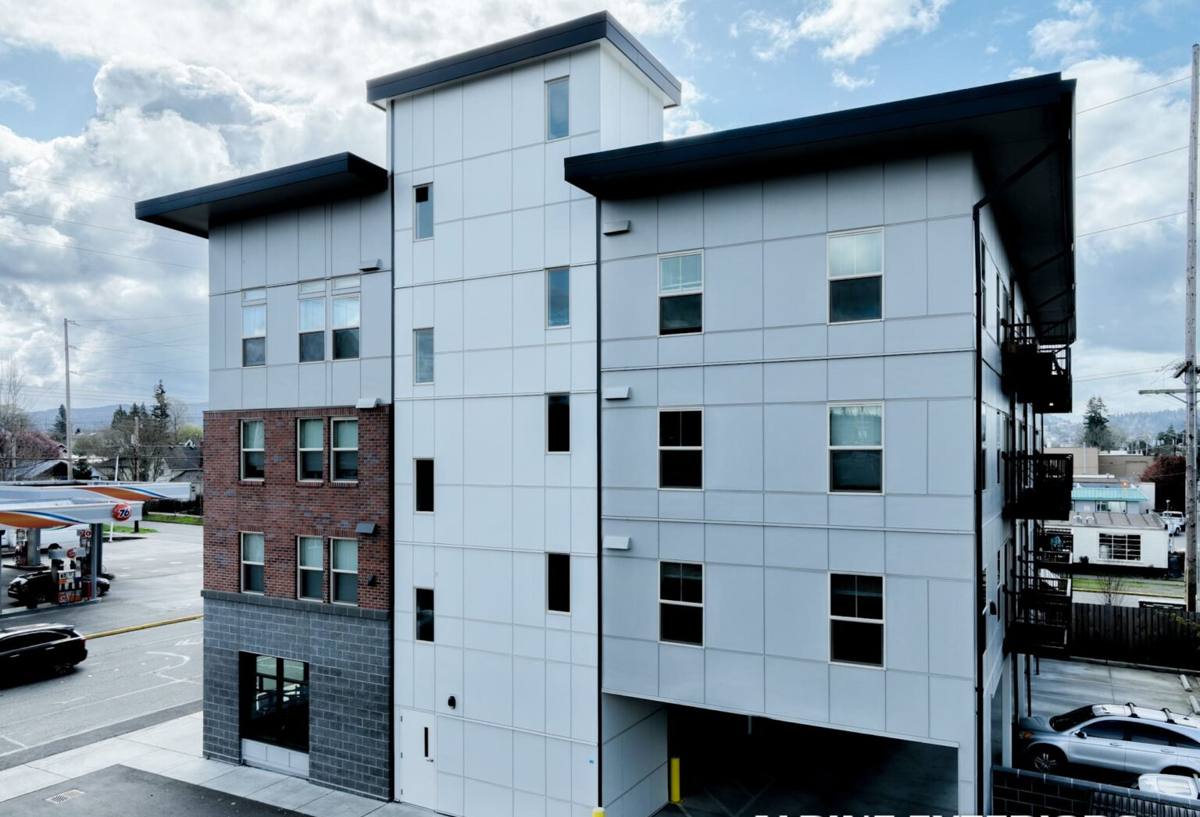
Why Board & Batten Is a Different Job Than Lap Siding
Board and batten isn't just lap siding turned sideways. The vertical orientation changes how water moves across the wall, how the material expands and contracts, and how many fastening and flashing details have to be right the first time.
Water Runs Differently on Vertical Siding
Lap siding is designed so each course sheds water onto the course below it, gravity doing most of the work. Board and batten relies instead on the seams between boards and battens staying tight and properly lapped, with the drainage plane behind the siding doing the real work of keeping bulk water out of the wall assembly. If that drainage plane, the flashing at penetrations, or the gap at the bottom of the wall isn't detailed correctly, water finds those vertical seams and works its way behind the siding instead of running off it.
More Fastening Points, More Chances for Error
A board and batten wall has significantly more vertical joints than a comparable lap-sided wall, and each one is a place where a fastener, a caulk joint, or a batten overlap has to be right. On a house exposed to Bellingham's rain volume, a handful of poorly sealed joints is enough to start a slow moisture problem that won't show up as an obvious leak — it shows up years later as paint failure, soft trim, or rot behind the siding.
What Birchwood's Climate Does to Vertical Siding Over Time
Bellingham sits close enough to the water that homes throughout Whatcom County, including Birchwood, deal with a mix of coastal moisture and inland rain patterns most of the year. Three specific conditions matter most for board and batten siding here:
- Salt air exposure: Proximity to Bellingham Bay means airborne salt reaches inland further than many homeowners expect, accelerating corrosion on unprotected fasteners and metal flashing.
- Driving rain: Wind-driven rain doesn't just fall on a wall — it pushes into vertical seams and battens under pressure, which is exactly where a marginal installation fails first.
- Extended moss and algae season: Constant moisture and filtered sunlight under tree cover, common throughout Bellingham's residential neighborhoods, keeps north- and shade-facing walls damp for long stretches, which is where moss, algae, and mildew take hold on siding that can't handle sustained moisture contact.
Board and batten siding that isn't rated for sustained moisture exposure — or that's installed without the right fastener hardware and flashing details — tends to show problems in these exact conditions first: swelling at the bottom of boards, fastener staining bleeding through paint, and soft spots developing at batten overlaps.
Why We Only Install James Hardie for Board & Batten
We install James Hardie fiber cement exclusively — we don't offer vinyl, LP SmartSide, primed spruce, cedar, or other fiber cement brands, even though several of them are used for board and batten in this region. That's a deliberate standard, not a marketing position.
Fiber cement is non-combustible, doesn't swell or rot the way wood-based products can when a joint takes on water, and holds paint and factory finishes far longer under sustained moisture exposure than wood substrates. James Hardie's HardiePanel and HardieTrim battens, finished in the factory ColorPlus system, are engineered specifically for board and batten applications — the panels resist moisture-driven expansion, the ColorPlus finish is baked on rather than field-applied, and the whole system carries a strong transferable warranty that follows the house if it sells. For a vertical siding profile with as many joints and seams as board and batten has, starting with a material that doesn't move, swell, or absorb water the way wood-based options do removes one of the biggest long-term risk factors in the whole installation.
What a Correct Board & Batten Installation Involves
The visual result of board and batten is simple — vertical boards, evenly spaced battens — but getting a durable result out of that simple look takes real attention to sequence and detail.
Before the Siding Goes On
- Inspection and repair of the existing wall sheathing, addressing any rot or damage found before it's covered up
- Installation or verification of a continuous weather-resistive barrier behind the siding
- Proper flashing at windows, doors, and any wall penetrations, integrated with the weather barrier rather than just caulked over it
- Furring or a rainscreen gap where called for, so water that does get behind the panel has somewhere to drain and dry rather than sitting against the sheathing
During Installation
- Correct fastener type, length, and spacing per manufacturer specification — corrosion-resistant hardware matters more here given the salt air exposure common to Bellingham properties
- Proper board spacing and expansion gaps so panels aren't fighting each other as temperature and moisture levels shift through the seasons
- Battens installed to overlap panel joints correctly, shedding water outward rather than trapping it
- Careful attention to bottom-of-wall clearance and kickout flashing at rooflines, both common failure points on vertical siding
Finishing Details
Corner details, trim transitions, and caulking at penetrations are where a lot of board and batten jobs either hold up for decades or start failing within a few years. These are also the details that are easiest to rush on a job priced too aggressively, which is one of the reasons cost alone is a poor way to choose a siding contractor.
Cost Factors for Board & Batten Siding in Birchwood
Every home is different, and we don't quote pricing without seeing the property, but the factors below are what actually move the number for a board and batten project in this area.
| Factor | Why It Matters |
|---|---|
| Wall condition underneath | Rot repair, sheathing replacement, or upgrading the drainage plane adds labor before siding installation can even begin |
| Board width and reveal spacing | Narrower boards and tighter spacing mean more seams, more fasteners, and more labor hours |
| Home height and roofline complexity | Multi-story walls, dormers, and cut-up rooflines increase both material waste and flashing detail work |
| Trim and corner detailing | Custom corner boards, window trim, and transitions to other siding profiles add finish carpentry time |
| Color and finish selection | Factory-applied ColorPlus finishes carry different pricing than field-painted options, but reduce future repainting costs |
Why a Crew That Already Works Birchwood Matters
Board and batten siding done wrong doesn't usually fail immediately — it fails quietly, over several winters, in ways that are hard to diagnose from the outside. A crew that already works Bellingham and Whatcom County properties has seen how local conditions play out on real walls: which elevations take the worst of the driving rain, where moss actually takes hold first, and how salt air exposure changes fastener choices compared to an inland job. That local pattern recognition shows up in decisions a homeowner never sees directly — flashing details, fastener hardware, drainage gap sizing — but that determine whether the siding still looks and performs the same way a decade from now.
It also matters for the parts of the job that aren't about the wall itself: knowing what Bellingham's permitting and inspection process looks like, understanding typical lot setbacks in established neighborhoods like Birchwood, and being able to talk through material choices with direct knowledge of how they've performed on nearby homes rather than generic manufacturer claims.
Signs Your Current Siding May Need Attention
If your home in Birchwood already has board and batten siding — in any material — a few warning signs are worth a closer look before they become bigger problems:
- Soft or spongy spots when pressed gently, especially near the bottom of walls or under windows
- Paint that's peeling, bubbling, or failing faster on one elevation than the others
- Visible gaps opening up at batten overlaps or panel joints
- Persistent moss, algae, or dark staining that keeps returning after cleaning
- Fastener heads showing rust streaks bleeding through the finish
Any one of these can be minor on its own, but they're also the earliest visible signs of the moisture problems that vertical siding is most prone to when the underlying installation wasn't detailed correctly.
Get a Free Estimate for Your Birchwood Home
If you're considering board and batten siding for a home in Birchwood — whether it's a full replacement, a repair after storm damage, or you're just weighing options for an upcoming project — we're happy to take a look and walk through what James Hardie's board and batten system would involve for your specific house. There's no pressure and no obligation, just a straightforward assessment from a crew that already knows what Bellingham's weather does to vertical siding. Use the form below to request a free estimate.